
Leonid Meteor Shower Peaks This Week With Up to 15 Shooting Stars Per Hour
The annual Leonid meteor shower is peaking overnight from Monday through Tuesday, offering sky-watchers a view of up to 15 meteors per hour under dark skies.

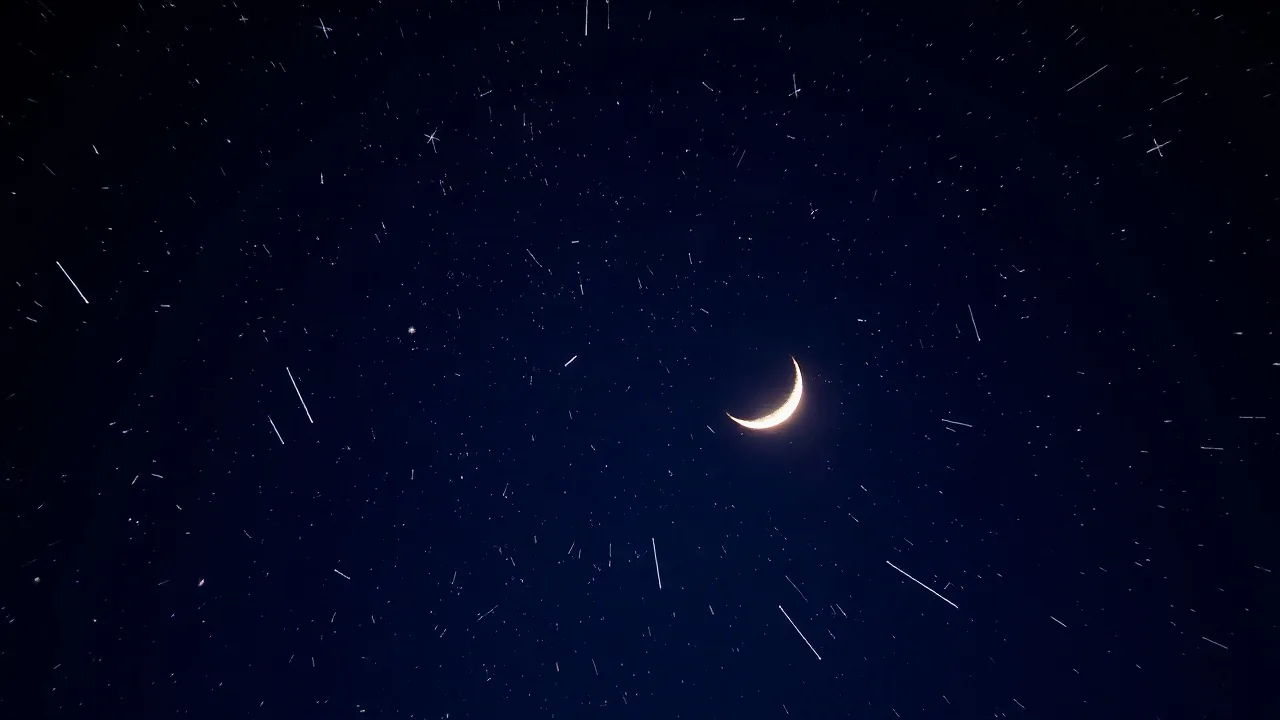
The annual celestial display known as the Leonid meteor shower is peaking overnight from Monday through Tuesday. Each November, Earth travels through a trail of debris left behind by comet 55P/Tempel-Tuttle. Tiny pieces of the comet fizzle in the atmosphere, creating visible streaks of light across the night sky.
Under clear conditions, observers could spot up to 15 meteors per hour, according to the American Meteor Society. Bill Cooke, lead of NASA’s Meteoroid Environment Office, noted that the streaks are faint. “Leonids are faint, so you’re not going to see any Leonids from the suburb,” Cooke said, adding that viewers need a dark sky away from artificial lights.
The optimal time for viewing is in the early morning hours around 2 or 3 a.m. in any time zone, when the constellation Leo rises higher. Additionally, the moon will be in its waxing crescent phase and 39% illuminated, setting early to leave darker viewing conditions. The shower remains visible from both the Northern and Southern hemispheres.
Viewing Tips and Historical Significance
Special equipment is not required to enjoy the event. “Lie on your back and take in as much sky as you can. No telescopes, no binoculars, just your eyes,” Cooke said. “It’s cold out there, but you know, to see the Leonids, you got to undergo a little discomfort.”
The Leonids hold a unique place in astronomy as “the shower that started it all.” A massive meteor storm in 1833 featured tens of thousands of meteors per hour, prompting early scientific study. “It was the Leonids that gave birth to meteor science back in the early 19th century, so without the Leonids, we wouldn’t know nearly as much about meteors as we do now,” Cooke said.
While meteor storms can occur roughly every 33 years when the parent comet nears the sun, scientists do not expect a storm this year. Gravitational pulls from Jupiter and other planets can alter debris paths, and researchers currently look to 2033 for the next potential storm.
Meredith MacGregor, an associate professor in the department of physics and astronomy at Johns Hopkins University in Baltimore, emphasized the wonder of the event. Meteors will continue flaring until the shower concludes on November 30.