
Pixel 11 Pro: Google's AI Push Sets New Android Upgrade Cycle
Google's Pixel 11 Pro may be pushing a new strategy for Android phones, tying advanced AI features to newer hardware, potentially accelerating upgrade cycles.

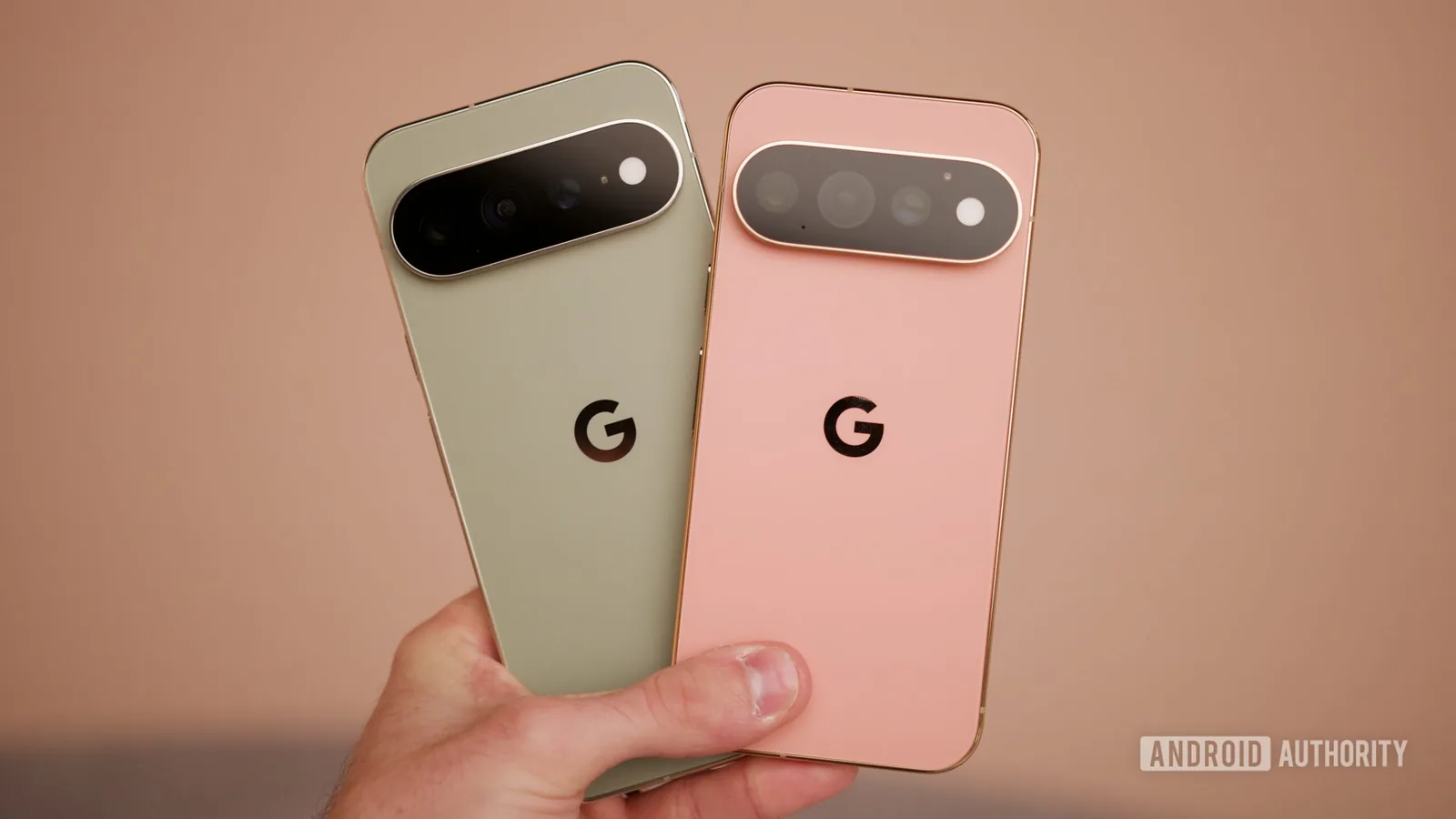
The recent launch of the Google Pixel 11 Pro has sparked debate among tech enthusiasts, not just for its pricing and hardware specifications but for a perceived shift in Google's upgrade strategy. The flagship device, announced with a higher price point and reduced RAM in its base Pro models, appears to signal a move towards encouraging more frequent device upgrades, less through raw performance and more through exclusive access to AI-driven experiences.
Google's emphasis during the Pixel 11 Pro announcement was notably placed on the capabilities of its new Tensor G6 chipset, particularly its Tensor Processing Unit (TPU). Features like "Google Rambler," a tool designed to transform spoken thoughts into polished text, were showcased. While impressive, this focus on AI features powered by specific chipsets raises concerns that such functionalities might be withheld from older devices. This mirrors past instances, such as the Tensor G5 and "Magic Cue," where new features were initially exclusive to devices with the latest Tensor chip, despite earlier promises of Tensor being built for AI.
AI as the New Hardware Driver
This strategy of leveraging new chipset advancements to gate advanced features is not unique to Google. Competitors, including Samsung with its Galaxy S24 Ultra, have faced similar criticism for initially restricting AI features to newer hardware, citing chipset limitations. However, with smartphones reaching a plateau in terms of raw performance needs for typical users—where daily tasks like social media browsing or even gaming are handled efficiently by existing hardware—companies are seeking new avenues to drive sales.
In 2026, smartphone cameras have become remarkably capable across a wide price range, thanks to advancements in computational photography. Even budget-friendly devices can capture decent photos in good lighting. This diminishing return on camera hardware improvements means manufacturers must find other compelling reasons for consumers to replace their current phones. Google's apparent focus on exclusive AI experiences, such as "Google Rambler," represents a powerful new incentive, tapping into users' desire for cutting-edge software and convenience.
Historically, Google has offered workarounds. The Pixel 8, for instance, eventually received some Gemini Nano AI functionality via the cloud, despite initial concerns about RAM limitations. While slower and less secure than on-device processing, it provided access. As cloud computing and AI technologies advance, these features could become more integrated and desirable, making the lack of them on older devices a significant drawback. The concern is that Google might eventually introduce tiered access, requiring a Google One subscription or a new device purchase to unlock the full potential of these AI advancements, a model seen in other industries like home appliances with paid firmware updates.
The appeal of AI features is growing beyond niche applications. Tools like "Google Rambler" offer tangible benefits to a broad audience, simplifying communication and content creation. As Google increasingly defines the Pixel experience around these user-centric AI innovations, the pressure to upgrade before a device's natural lifecycle concludes will intensify. While attractive trade-in offers and financing may soften the financial blow, the trend points towards a future where leasing phones to access the latest features becomes normalized, a prospect that raises questions about consumer autonomy and the true cost of technological advancement.