
SpaceX Hits 100th Falcon Launch of 2026 with Starlink Deployment
SpaceX successfully launched 27 Starlink satellites on its 100th Falcon rocket mission of 2026. The Falcon 9 booster landed successfully after delivering its payload to orbit.

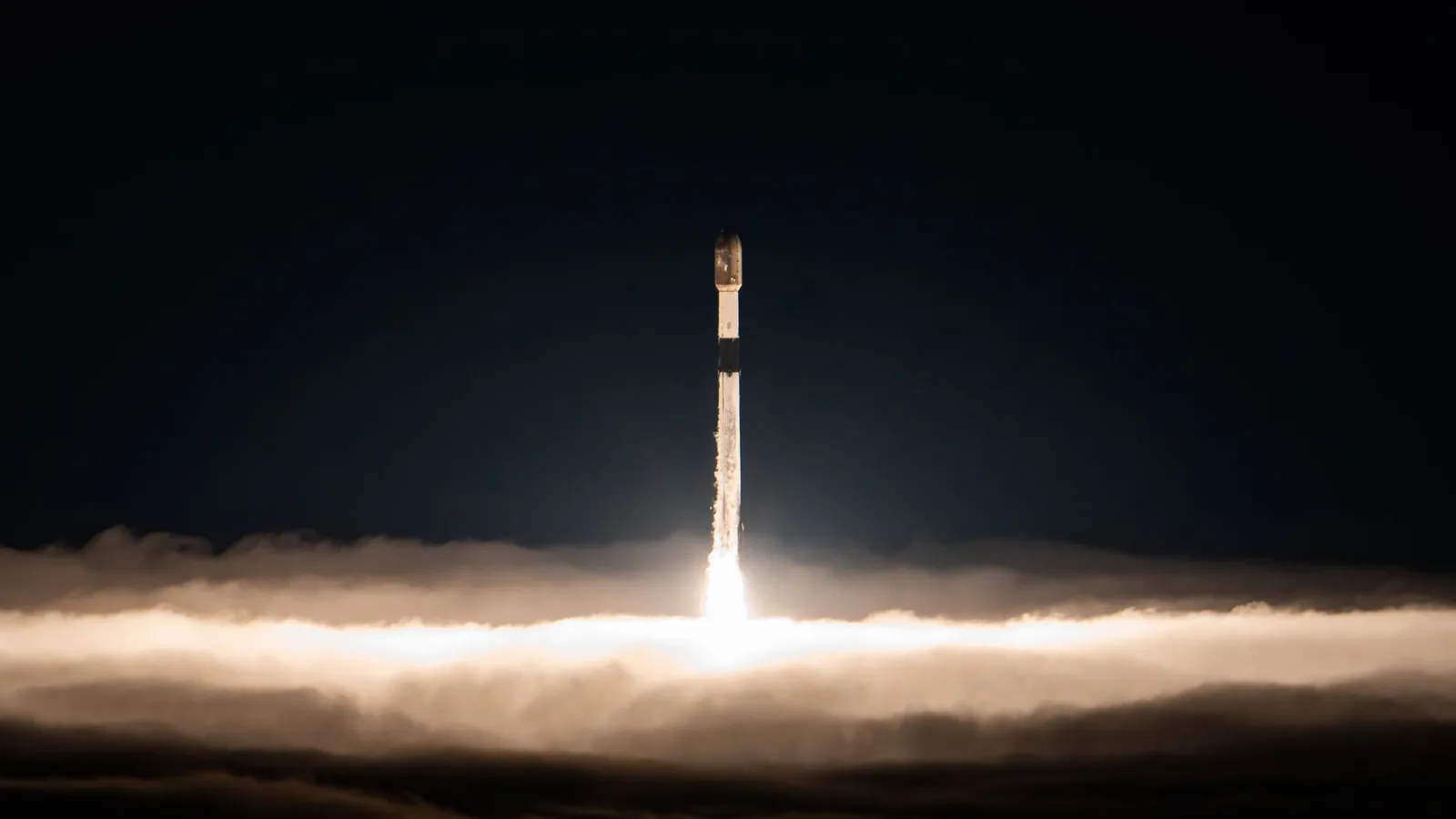
SpaceX marked a significant milestone on August 22, 2026, launching its 100th Falcon rocket mission of the year. The Falcon 9 rocket lifted off from Vandenberg Space Force Base in California at 3:25 a.m. EDT, carrying 27 Starlink internet satellites into low Earth orbit. This launch represents the 99th liftoff specifically for the Falcon 9 model in 2026, with the other mission being a Falcon Heavy flight in April.
The reusable first stage of the Falcon 9, designated B1100, executed a successful landing approximately 8.5 minutes after liftoff, touching down on the SpaceX droneship "Of Course I Still Love You" in the Pacific Ocean. This particular booster has now flown nine missions, showcasing the company's ongoing commitment to reusability and cost-efficiency in its launch operations.
The 27 Starlink satellites deployed as planned about 62 minutes post-launch, further expanding what is already the largest satellite constellation in existence. Starlink, a project by SpaceX, aims to provide global broadband internet access. The constellation currently comprises over 11,000 operational spacecraft, with Starlink missions being the most frequent payload for SpaceX's rockets.
Context and Future Outlook
Achieving 100 Falcon missions by late August is a testament to SpaceX's rapid launch cadence, though it still trails the company's single-year record of 165 launches set in 2025, all of which were Falcon 9 missions. The consistent success of Starlink deployments highlights the growing demand for satellite-based internet services, especially in regions underserved by traditional terrestrial networks. This expansion is crucial for SpaceX's business model, which relies on both government contracts and commercial services to fund its more ambitious projects, such as the Starship program.
The company's ability to maintain such a high launch frequency is dependent on the reliability of its Falcon rockets and the efficiency of its ground operations. SpaceX has refined its manufacturing and launch processes over the years, allowing for quicker turnaround times between missions. The ongoing Starlink deployments are not only about increasing internet coverage but also about generating revenue to support the development of future technologies. The sheer volume of satellites in orbit raises discussions about space debris and orbital congestion, but SpaceX maintains that its operational procedures and de-orbiting plans adhere to regulatory guidelines.
Looking ahead, SpaceX aims to continue this high tempo of launches throughout the remainder of 2026. The company's strategic use of reusable rockets has significantly reduced launch costs, enabling more frequent and ambitious missions. This 100th launch milestone is a clear indicator of SpaceX's dominant position in the global launch market and its relentless pursuit of expanding humanity's access to space and connectivity.