
1,260 DNA Variants Linked to Personality Traits Discovered
A large-scale genetic study has identified 1,260 DNA variants associated with personality traits, offering new insights into the biological underpinnings of human behavior. The findings were published in the journal Nature.

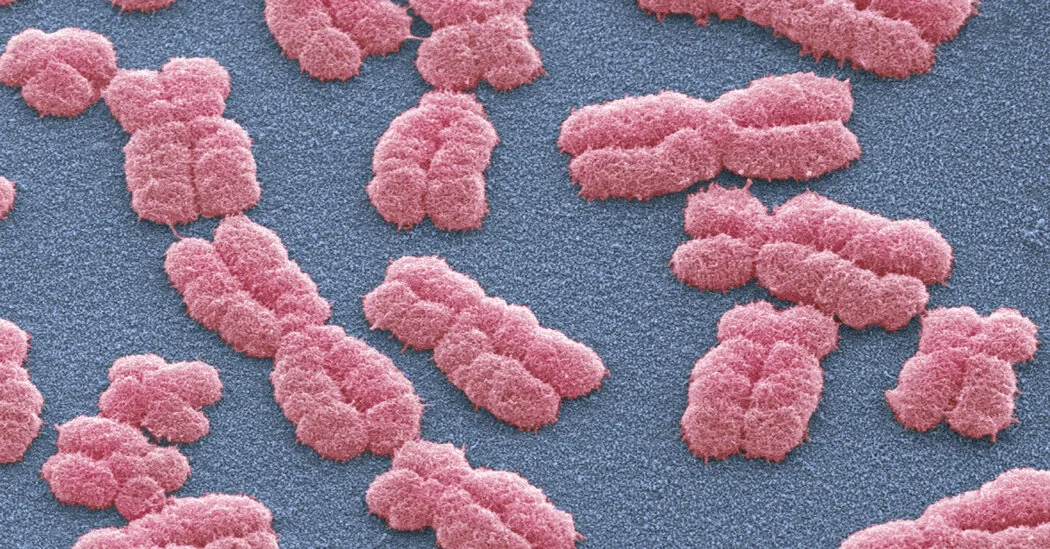
Scientists have identified 1,260 genetic markers linked to personality traits, with nearly two-thirds of these variants discovered for the first time. The groundbreaking research, published on Wednesday in the journal Nature, analyzed over one million genomes and compared genetic data from thousands of siblings and parent-child pairs. This expansive study sought to unravel the complex relationship between an individual's DNA and their disposition, from extroversion to openness to experience.
The consortium of researchers aimed to map the genetic architecture that subtly influences fundamental aspects of human character. By analyzing data from 46 distinct study cohorts, the team uncovered a significant number of genetic markers. These findings reinforce the scientific consensus that personality is not dictated by a few major genes but is rather a complex interplay of thousands of subtle genetic variations that can manifest differently depending on environmental factors and life experiences.
Unlocking Biological Mechanisms
Elliot Tucker-Drob, a psychology professor at the University of Texas at Austin and a lead researcher on the project, stated, "I view the 1,260 variants as kind of a testament to the fact that we’ve now got the power to answer all of these other questions that we couldn’t answer before." This scale of analysis provides researchers with enhanced statistical power, equipping them with new tools to investigate the biological mechanisms underlying human thought, emotion, and behavior. The research consortium specifically looked for associations between common genetic differences and the widely recognized "Big Five" personality dimensions: extroversion, agreeableness, conscientiousness, neuroticism, and openness to experience.
Despite these significant findings, the identified genetic differences currently account for only an estimated 5 to 10 percent of the variation in personality among individuals. Experts caution against oversimplifying these results into a strict gene-versus-environment dichotomy. The study emphasizes that DNA and environmental context are in constant interaction. Personal experiences act as the mechanism through which genetic predispositions are expressed, ultimately shaping who a person becomes.
The research involved meticulous comparison of genetic material from a vast number of participants to ensure the identified DNA variants were indeed linked to personality and not simply coincidental genetic variations. The use of sibling and parent-child data was crucial in controlling for shared environmental influences and identifying genetic contributions more accurately. This method is vital in genetics research to differentiate between inherited traits and those influenced by upbringing or social factors.
The implications of this research extend beyond understanding inherent traits. It opens avenues for future studies into how these genetic predispositions might interact with life events, potentially influencing mental health outcomes or career choices. While the direct impact on an individual's personality is small on a percentage basis, the cumulative effect of these thousands of variants provides a comprehensive genetic fingerprint that contributes to the unique mosaic of each person. Further research will focus on the specific pathways these genetic markers influence, potentially leading to a deeper understanding of neurological functions and psychological development. The Nature publication marks a significant step forward in the field of behavioral genetics.