
Neanderthal Shoulder Bone Injury Points to Ancient Spear
Analysis of a Neanderthal shoulder bone discovered in Iraq reveals a puncture wound consistent with a wooden spear, suggesting early human ancestors engaged in violent conflict.

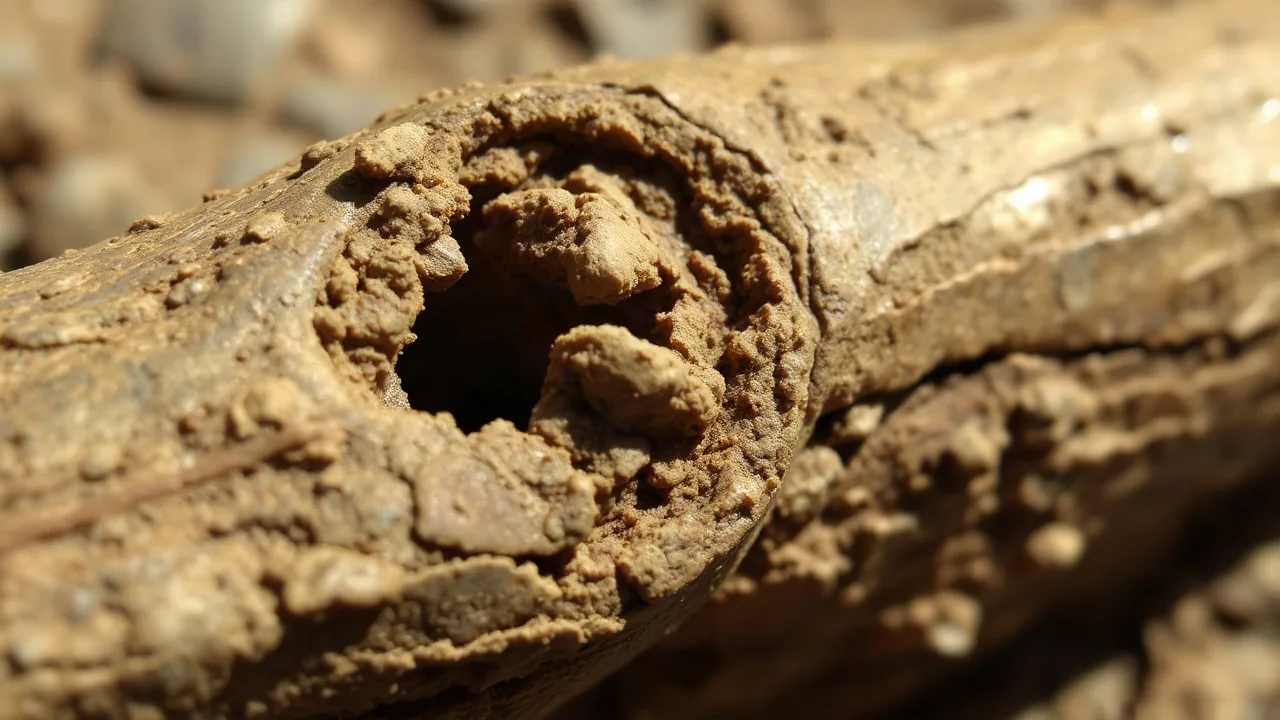
A remarkable discovery in the Shanidar Cave in Iraq has shed new light on the lives of Neanderthals, revealing evidence of violent injury in one of its inhabitants. Researchers have identified a distinctive hole in a Neanderthal shoulder blade, which they believe was caused by a wooden spear. This finding, dating back approximately 45,000 years, offers a rare glimpse into the potential conflicts faced by these ancient human relatives and suggests that sophisticated hunting or warfare techniques were in use.
The bone fragment, belonging to an individual known as Shanidar 27, was meticulously examined using advanced imaging techniques. Scientists observed a clean, penetrating puncture wound on the scapula, consistent with the impact of a spear. The size and shape of the hole led the team to conclude that it was likely inflicted by a thrusting weapon, with evidence pointing towards a wooden projectile rather than a stone tool. This detail is crucial, as it suggests a level of craftsmanship and intentionality in the weapon used.
Context and Implications of the Discovery
The implications of this discovery extend beyond a simple account of injury. It provides tangible evidence of inter-personal violence among Neanderthals, a topic that has long been debated among paleoanthropologists. While previous findings have hinted at violence, such as healed fractures or evidence of cannibalism, a direct wound from a projectile weapon offers a more definitive link. This could suggest organized hunting strategies or even inter-group conflicts, raising questions about Neanderthal social structures and their capacity for organized aggression or defense.
Dr. Gordon, a lead researcher on the project, stated, "This injury is the first clear evidence we have of a Neanderthal being killed by a spear. It paints a picture of a potentially dangerous world for these early humans." The discovery is part of ongoing research at the Shanidar Cave site, which has yielded numerous significant Neanderthal remains, including evidence of complex behaviors such as burial rituals and the use of medicinal plants. The Shanidar 27 find adds a new dimension to our understanding of Neanderthal existence, highlighting both their vulnerability and the advanced tool-making capabilities present at the time.
The specific type of spear—wooden—is also significant. While stone-tipped spears are often assumed for prehistoric hunting, the evidence for a wooden spear indicates a reliance on readily available materials and a mastery of woodworking. The precision of the wound suggests that the perpetrator possessed considerable skill, whether for hunting game or engaging in conflict. This adds another layer to the complex cognitive abilities attributed to Neanderthals.
Further analysis of the Neanderthal remains and the surrounding archaeological context is underway. Scientists hope to determine more about the circumstances surrounding this ancient injury, potentially shedding light on the specific type of animal or human involved. The findings from Shanidar Cave continue to challenge long-held assumptions about our ancient relatives, painting a more nuanced picture of their lives, societies, and interactions with their environment. This specific injury serves as a stark reminder that the lives of early humans were far from peaceful and involved confronting significant dangers.