
DR Congo Doctor Fights Ebola Disinformation After Surviving Virus
A Congolese doctor who survived Ebola is fighting local disinformation, mistrust, and skepticism in the Democratic Republic of Congo.

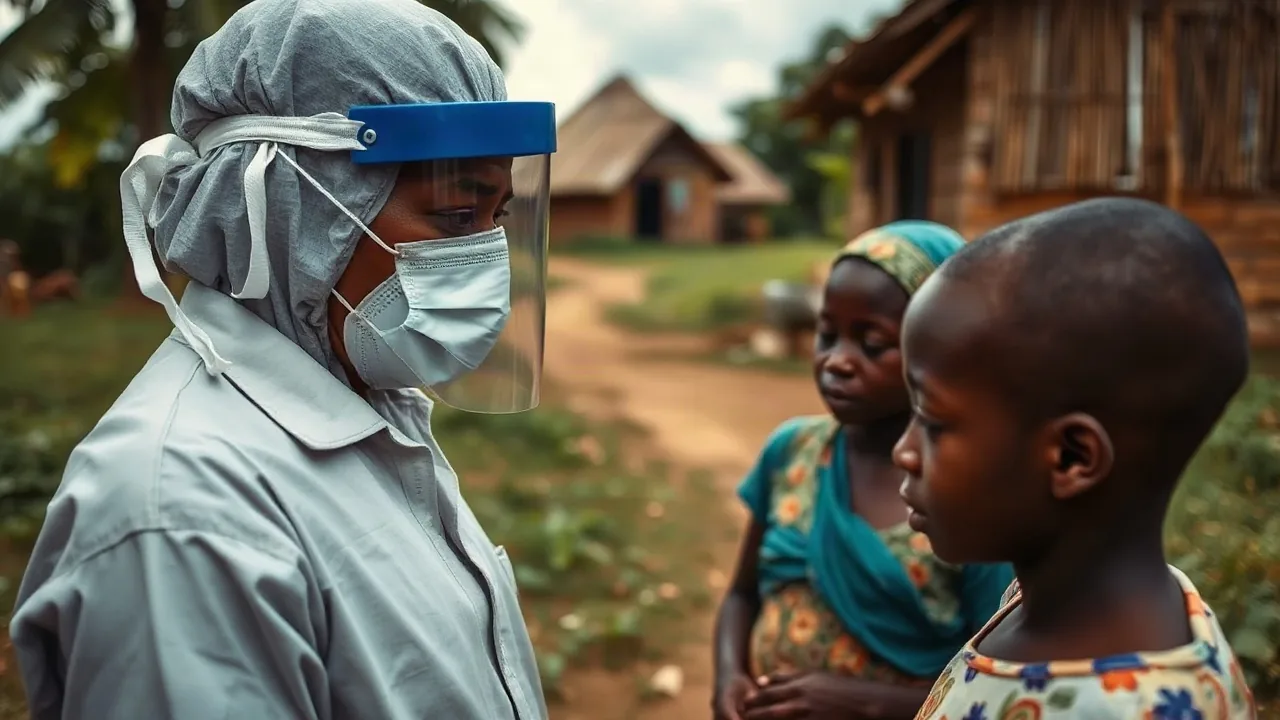
When Dr Raymond Kasereka Kamwanga suspected he had contracted Ebola and planned to visit a treatment center in Butembo, located in the eastern Democratic Republic of Congo, his family reacted with sheer terror. Relatives viewed the specialized unit as a fatal destination where few patients leave alive, particularly those admitted during advanced stages of the illness. His mother, Masika Ndungo, pleaded with him through tears not to go.
“Why are you choosing to die at the Ebola treatment centre?” Ndungo had asked him.
As a medical professional at Katwa Hospital, Dr Kamwanga understood that remaining at home offered virtually no chance of survival. This occurred in July, two months after the World Health Organization declared the outbreak a public health emergency of international concern. The ensuing crisis has claimed 5,400 lives and infected 11,000 individuals, ranking it as the second-deadliest outbreak in history. North Kivu province serves as the epicenter, registering the highest case volume according to the Congolese health ministry.
Dr Kamwanga represents one of 3,031 survivors dedicating themselves to public awareness campaigns to help curb infections. Having faced mortality and social ostracization, he has begun drafting a book detailing his personal ordeal.
“As someone who has recovered, I am living proof that the disease exists, but also that it is possible to recover from it,” he states.
Community Mistrust and Outreach Challenges
The 30-year-old physician believes he contracted the virus through patient contact in an environment lacking adequate protective equipment. Initial symptoms developed gradually, starting with a bitter taste, headaches, and general malaise. Because Butembo lacks rapid testing infrastructure, samples require transport to Beni, situated 54 kilometers north. Poor road infrastructure in the conflict-affected region often means diagnostic confirmation takes between 48 and 72 hours. After three days of worsening weakness, muscle pain, vomiting, and diarrhea at home, Dr Kamwanga notified his family of his hospital admission.
“She had started crying, along with my sisters. I told them everything would be alright, that I was a doctor and that I was confident. But they weren't reassured,” he notes.
Upon arriving at the center, he isolated himself with the help of colleagues wearing protective gear. The current outbreak stems from the Bundibugyo species, lacking an approved vaccine or specific treatment, meaning interventions focus strictly on symptom management. Enduring severe fluid loss, he spent 13 days in a hospital bed managing his anxiety while patients died around him. Following his discharge and a negative test result, he spent 21 days isolated in a separate part of his crowded family home due to ongoing fears from relatives and neighbors.
Neighbor Kavugho Sifa expressed the community's initial apprehension. “We were really afraid, but we prayed to God to protect him at the treatment centre. With God's help and the doctors' efforts, we saw him return in good health,” she remarks.
Seeking to dismantle persistent myths and denial, Dr Kamwanga began writing his book, The Price of Saving Lives, one week after leaving the facility. He utilizes a draft alongside photographs from his illness during community sessions. However, deep-seated skepticism driven by poverty, trauma from armed conflict, and distrust of authorities complicates outreach efforts. Some residents suspect humanitarian groups profit from donor funds, while others interpret the epidemic as a weapon directed against vulnerable populations. Facing local hostility, death threats, and allegations of taking bribes, Dr Kamwanga also agrees with recent findings from Médecins Sans Frontières regarding misappropriated response funds.
“The money allocated to the Ebola response is being misappropriated by the government. We do not have enough protective equipment,” he explains. Despite facing intimidation and scarce resources, he remains committed to halting the spread of the virus.