
1,260 Genetic Variants Linked to Big Five Personality Traits
A large-scale study has identified over 1,200 genetic variants associated with the Big Five personality traits. The research reveals potential genetic links to life choices, mental health, and disorders.

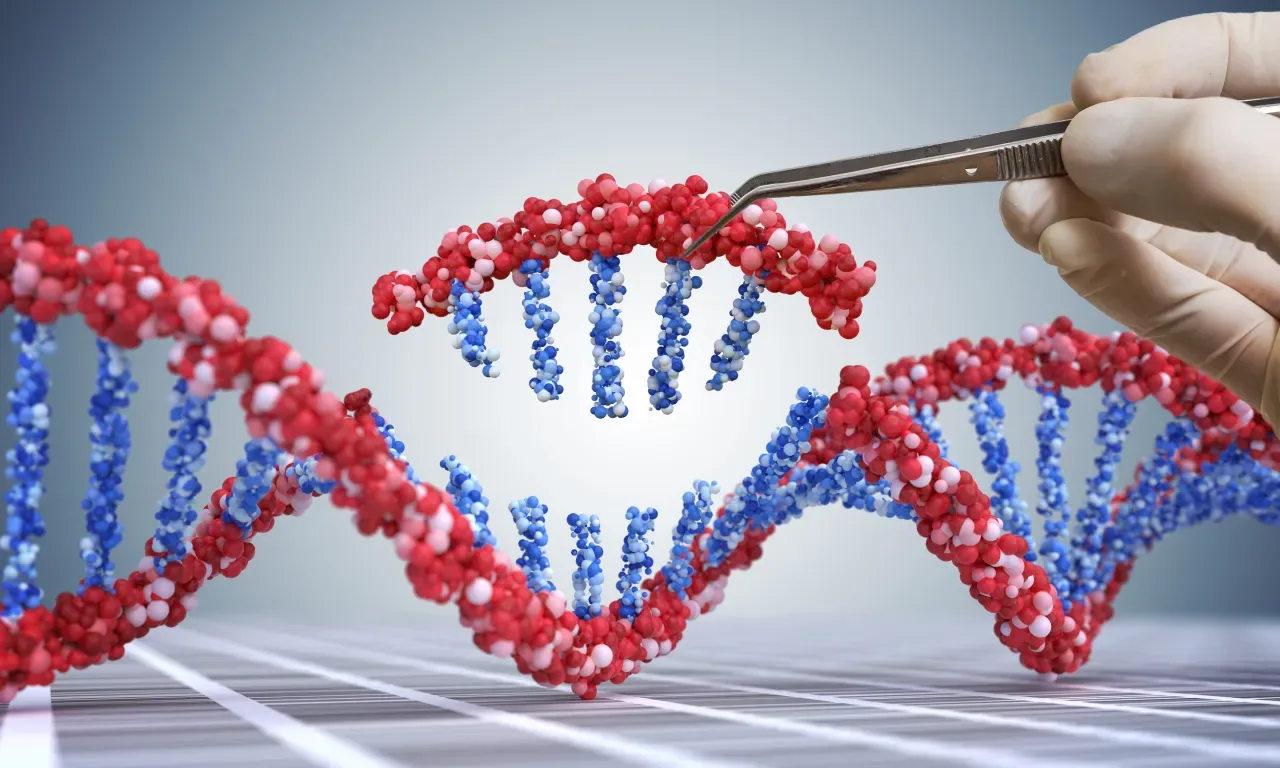
Researchers have identified 1,260 genetic variants that significantly influence the "Big Five" personality traits: agreeableness, openness, conscientiousness, extraversion, and neuroticism. The groundbreaking study, published in the journal Nature, analyzed data from over one million individuals across 46 different cohorts to map the intricate connection between genetics and personality.
The findings illustrate how genetic predispositions can subtly steer life decisions. For instance, individuals with a higher genetic tendency toward openness were found more likely to reside in urban environments during their middle age. Conversely, those predisposed to neuroticism showed a greater probability of living in suburban areas. While genetics account for only a fraction of personality, its impact resonates throughout an individual's life, affecting career trajectories, the depth of social connections, and overall physical well-being.
Genetics and Health Outcomes
The study further illuminated the links between personality traits and health. Individuals scoring higher on conscientiousness, for example, exhibited a reduced likelihood of substance abuse, fewer hospital visits, and healthier aging patterns. Furthermore, the research uncovered significant genetic overlaps between the Big Five personality traits and various mental health conditions, including depression, anxiety, bipolar disorder, schizophrenia, ADHD, autism spectrum disorder, borderline personality disorder, anorexia nervosa, and obsessive-compulsive disorder (OCD).
A genetic predisposition toward neuroticism, characterized by a tendency to experience negative emotions, was associated with an elevated risk for all the aforementioned disorders, particularly internalizing conditions like anxiety, depression, and anorexia. In contrast, conscientiousness showed a correlation with a decreased risk of neurodevelopmental disorders but an increased susceptibility to compulsive disorders such as OCD. On the other hand, extraversion was linked to a lower risk of internalizing disorders, yet a higher association with neurodevelopmental conditions like autism spectrum disorder and ADHD.
Lead researcher Dr. Anya Sharma stated, "Our work demonstrates the complex interplay between our genetic makeup and the development of our personalities, which in turn influences how we navigate the world and our susceptibility to certain health challenges." The vast scale of the study provides unprecedented insight into the biological underpinnings of human behavior and mental health.