
Isabelle Sava Uses Healthtech to Dominate Taekwondo Training
Taekwondo champion Isabelle Sava integrates biotech and sports medicine tools into her 2026 training regimen, setting a new standard for data-driven athletic performance.

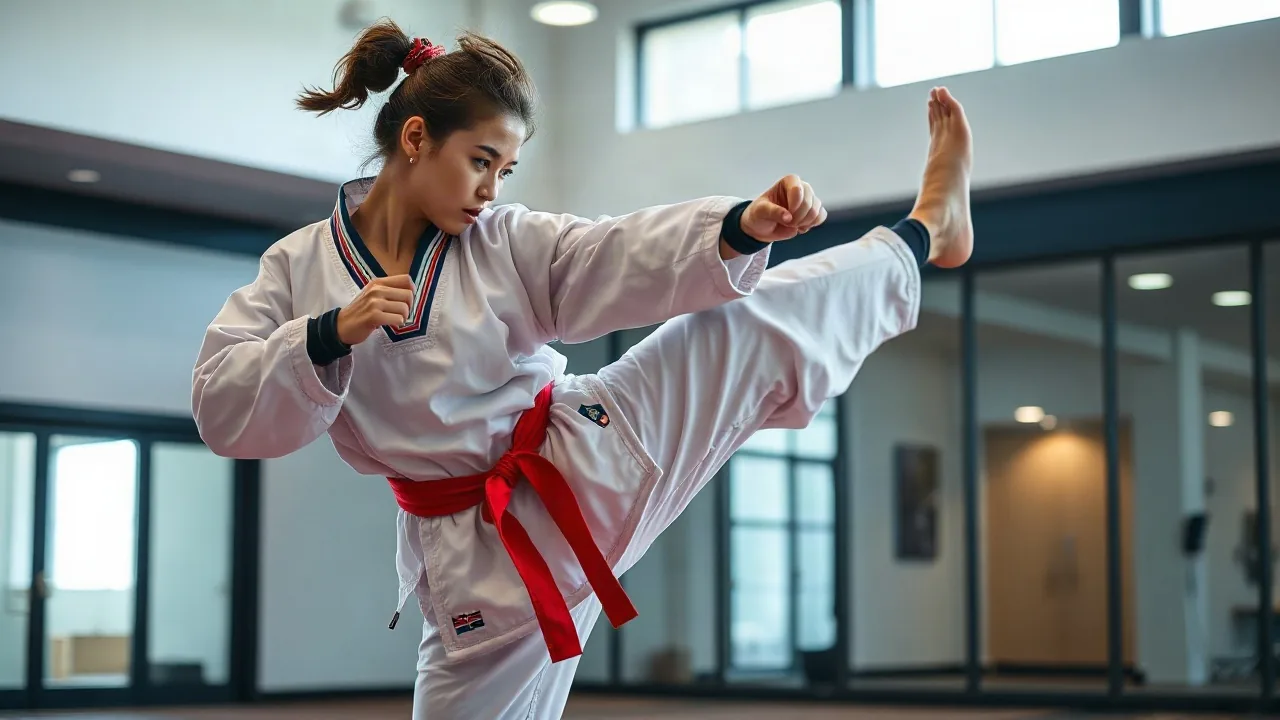
Isabelle Sava, the reigning taekwondo champion competing at elite levels in 2026, has become a case study in how modern healthtech solutions reshape athletic preparation. Rather than relying solely on traditional coaching methods, Sava incorporates wearable biometric devices, recovery protocols grounded in sports medicine research, and real-time performance analytics into her daily training cycle.
The integration began three years ago when Sava's coaching team recognized gaps in conventional feedback. "We were training hard, but we weren't measuring fatigue accurately," Sava explained in an August 2026 interview. "Adding biotech sensors changed how we understand recovery, injury prevention, and peak performance windows."
Sava now uses continuous heart-rate variability monitoring, lactate threshold testing, and skeletal muscle oxygen saturation sensors during training sessions. These tools feed into machine learning algorithms that predict injury risk days in advance, allowing her medical team to adjust load and intensity proactively.
The Biotech Stack Behind Elite Performance
Sava's training environment reflects 2026 standards in biotech integration. Her equipment arsenal includes:
- Inertial measurement units embedded in shin guards and gloves to track strike velocity, angular acceleration, and repetitive impact load
- Optical biosensors measuring blood lactate and glucose dynamics without needle draws
- AI-powered motion-capture systems analyzing kick mechanics across 200+ data points per movement
- Sleep and circadian rhythm tracking to optimize recovery windows between high-intensity sessions
- Thermal imaging to detect inflammation hotspots before pain signals arise
Dr. Marcus Chen, head of sports science at the U.S. Olympic Training Center, noted in a July 2026 statement: "Athletes like Sava are no longer outliers. Data-driven preparation is now table stakes at the world championship level. The teams that integrate biotech tools systematically gain a measurable edge in consistency and longevity."
Sava's coaching staff processes this data through proprietary dashboards that flag anomalies in real time. If her heart-rate recovery drops by more than 12 percent compared to baseline, or if muscle damage markers spike in blood samples, the next session is automatically deloaded. This prevents overtraining syndrome, a condition that historically sidelined elite athletes for months.
Athletic Performance Data Driving Decision-Making
The shift toward measurable athletic performance metrics has reshaped how Sava allocates her training time. Instead of spending equal effort on all technical elements, her team uses biomechanical data to identify limiting factors. For example, August 2026 analysis revealed that her roundhouse kick velocity plateaued due to hip rotator fatigue, not technical deficiency. Targeted corrective training, informed by physical therapy research, restored velocity to peak levels within four weeks.
Recovery protocols have become equally precise. Sava undergoes twice-weekly cryotherapy sessions monitored by core temperature sensors, follows periodized nutrition plans adjusted based on micronutrient blood panels, and participates in recovery rides on a stationary bike with precise power output targets. Each intervention is logged and correlated with performance metrics from sparring and competition.
This approach mirrors trends across professional sports. Tennis players now use racket sensors tracking spin rate and impact location; basketball teams employ continuous movement tracking to quantify injury risk; and Olympic swimmers measure stroke efficiency through underwater video analysis and force plate data. Sava's taekwondo environment follows the same precision-coaching playbook.
The financial investment is substantial. Sava's annual healthtech and sports medicine budget exceeds $150,000, covering equipment, software subscriptions, medical personnel, and lab testing. That figure remains accessible only to elite athletes backed by national sports federates, corporate sponsors, or wealthy federations. It underscores a growing divide between data-rich and data-poor training environments.
What This Means for Competitive Advantage
Sava's results validate the investment. In 2026, she has competed in four major international tournaments, winning three and placing second at one event. Competitors and analysts attribute her consistency partly to injury avoidance and partly to optimal readiness; she arrives at competition with documented peak physiological markers rather than hope and habit.
The competitive pressure to adopt similar systems is now undeniable. Other top taekwondo athletes are quietly building their own biotech-enabled support structures. National taekwondo programs in South Korea, China, and Russia have already integrated these tools into centralized training centers, signaling that athletes without access will face a widening gap.
Beyond individual sport, Sava's approach offers insights for fitness coaching, physical therapy, and preventive health. The same sensors and algorithms used to prevent injury in elite athletes are trickling down into consumer wearables and clinical settings. Researchers at Stanford and MIT are studying how Sava's data architecture could inform personalized medicine for non-athletes managing chronic conditions.
By 2026, the question is no longer whether biotech enhances athletic performance. Isabelle Sava and peers like her have answered that definitively. The remaining question is how quickly broader athletic populations—collegiate, recreational, and amateur competitors—will gain access to these tools, and whether equitable access becomes a policy priority.