
Microsoft AI Shows Superior Diagnostic Accuracy Over Physicians in Study
A new Microsoft AI tool has demonstrated a significantly higher diagnostic accuracy rate than generalist physicians in a recent study, potentially revolutionizing medical diagnostics.

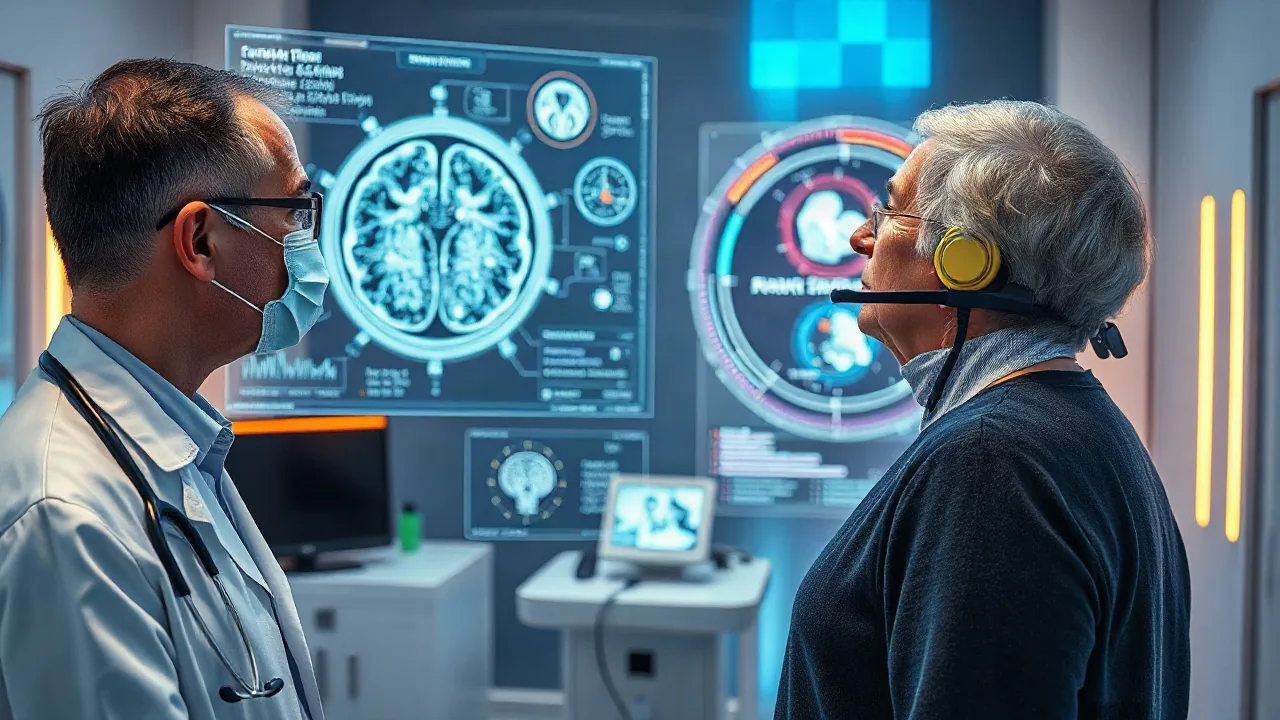
Microsoft has revealed findings from a new study where its artificial intelligence tool, developed under the leadership of Mustafa Suleyman, achieved a superior diagnostic accuracy rate compared to generalist physicians when analyzing complex medical cases. The AI system, referred to as the Diagnostic Orchestrator, was evaluated on its ability to identify diseases from patient data, a critical function in healthcare.
The study, published in the journal *Science*, indicates that the AI tool's diagnostic performance exceeded that of human doctors, particularly in challenging scenarios where diagnoses are often missed or delayed. Microsoft's team, including Mustafa Suleyman, who joined the company from Google DeepMind, has been pursuing a vision of what they term 'medical superintelligence,' aiming to leverage AI to augment and improve clinical decision-making. This development marks a significant step towards that ambitious goal.
Advancing Medical AI Capabilities
The research focused on a diverse range of medical conditions, testing the AI's ability to interpret symptoms, medical histories, and diagnostic imaging. Results showed the AI not only matched but often surpassed the diagnostic capabilities of experienced physicians. While the exact percentage difference in accuracy varies by condition, the overall trend suggests a substantial leap in AI's potential within the medical field. This enhanced accuracy could lead to earlier detection of diseases, more effective treatment plans, and ultimately, improved patient outcomes.
Mustafa Suleyman, CEO of Inflection AI and formerly a key figure at Google DeepMind, has been a vocal proponent of AI's transformative power in healthcare. His work at Microsoft, and now at his own venture, centers on developing AI systems that can handle complex cognitive tasks. "The goal is to create AI that can assist and augment human expertise, not replace it entirely," a spokesperson for Microsoft stated. "In diagnostics, this means helping clinicians by providing a more comprehensive and accurate analysis, reducing the burden of missed diagnoses."
The implications of this breakthrough are far-reaching. For patients, it could mean faster and more accurate diagnoses, leading to quicker access to necessary treatments. For healthcare systems, it presents an opportunity to improve efficiency, reduce costs associated with misdiagnoses, and enhance the overall quality of care. The study's findings are expected to spur further research and development in AI-driven medical diagnostics, potentially accelerating the integration of such technologies into mainstream clinical practice.
Contextually, the pursuit of AI in medicine is not new, but recent advancements in machine learning and deep learning have unlocked unprecedented capabilities. Previous studies have explored AI's role in radiology, pathology, and genomics, often showing promising results. However, this latest research from Microsoft appears to push the boundaries further by demonstrating a generalized diagnostic superiority over a broad spectrum of conditions and physician expertise. The challenge now lies in the rigorous validation, ethical deployment, and seamless integration of these powerful tools into the existing healthcare infrastructure. The successful adoption of this biotech innovation hinges on building trust among medical professionals and ensuring patient safety remains paramount.
Looking ahead, Microsoft plans to continue refining its diagnostic AI and exploring its application across a wider array of medical specialties. The company also emphasizes the importance of collaboration between AI developers and medical experts to ensure that the technology is developed responsibly and effectively. The software solution aims to be a supportive tool, empowering doctors with better information to make critical decisions.