
NYC Considers Lifting 1985 Ban on Adult Bathhouses
New York State lawmakers are proposing to repeal a decades-old ban on adult bathhouses, a move that could revitalize queer culture and address outdated public health fears.

New York City lawmakers are taking steps to potentially lift a ban on adult bathhouses, a regulation enacted in 1985 amid the AIDS epidemic. State Senator Erik Bottcher and Assemblymember Tony Simone are leading the legislative effort to repeal the prohibition, which they argue is rooted in fear and stigma rather than current public health realities. This initiative aims to safely reintroduce spaces that were once a significant part of the city's queer cultural landscape and nightlife.
The push to revisit the ban comes more than 40 years after its implementation, a period marked by dramatic advancements in public health, scientific understanding, prevention, and treatment of infectious diseases. Proponents of the repeal believe that the legal framework should now reflect these modern developments, allowing for the potential return of establishments that offer community and recreation. The original ban was deeply influenced by the widespread panic surrounding AIDS, and lawmakers now seek to move past the associated stigma.
A Look Back at Continental Baths' Legacy
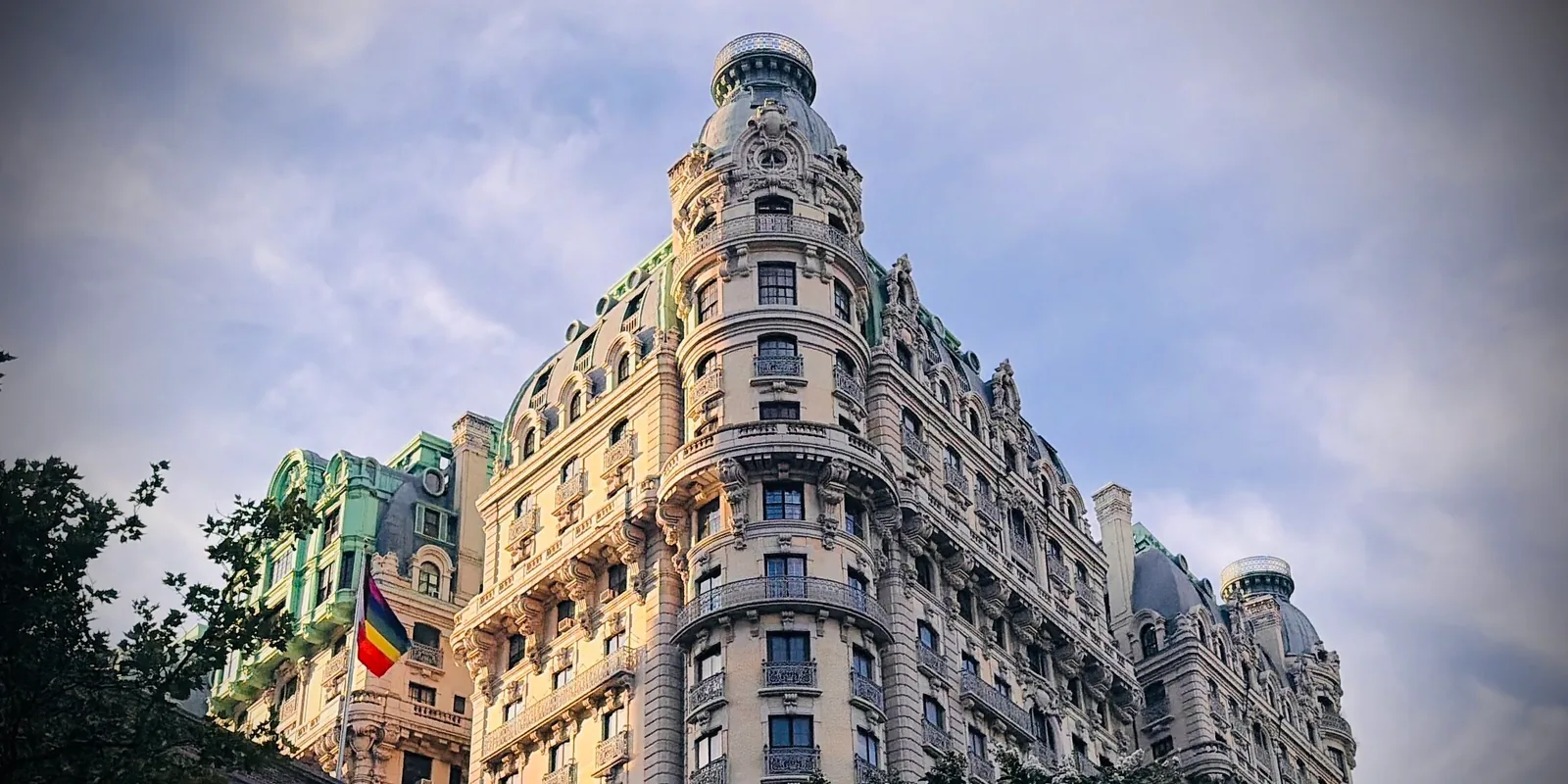
The conversation around reopening bathhouses inevitably brings to mind legendary venues like the Continental Baths. Located in the basement of the Ansonia hotel on the Upper West Side, the Continental Baths, founded by Steve Ostrow, was more than just a swimming pool. Opening in 1968, it quickly became a pioneering hub for sexual liberation and a globally influential gay club. Celebrities such as Alfred Hitchcock, Andy Warhol, Bette Midler, and members of the New York Dolls were known to frequent the establishment. Bette Midler, in particular, famously launched her career performing there, recalling it as the place where her obituary would likely begin.
The Continental Baths offered a multifaceted experience: swimming, dancing, steam rooms, and opportunities for sexual encounters, all within a space designed to be safe and welcoming. It provided a crucial sense of community for gay men at a time when homosexuality was often stigmatized and illegal, even leading to police raids. Despite its eventual closure in 1976, partly due to Ostrow’s ambitious booking of stars like Frankie Knuckles, the venue's impact on queer culture and entertainment was profound. It was described as a unique blend of upscale clientele and subcultural elements, even prefiguring the eclectic mix found at Studio 54.
The closure of venues like the Continental Baths, and the subsequent ban on adult saunas and bathhouses in 1985, marked a significant shift. While the Continental Baths predated the ban by nearly a decade, its spirit of uninhibited self-expression and community building represented an era that lawmakers now hope to partially recapture, albeit in a vastly different public health context. The ability for individuals to find spaces where they could freely express their identities, experiment, and connect was a hallmark of such establishments.
Senator Bottcher's district includes the Upper West Side, and Assemblymember Simone's district encompasses the Lincoln Center area, placing them in a key position to champion this legislative change. Their joint effort signifies a desire to update New York City's laws, aligning them with contemporary understanding of health, safety, and LGBTQ+ rights. The proposed repeal is not merely about reinstating a type of business but about acknowledging the evolution of societal norms and public health strategies concerning sexual wellness and community spaces.