
Enzyme Disables Bacterial Sensor Protein, Boosting Virus Defense
Researchers have identified a viral enzyme that targets a key bacterial sensor protein, potentially unlocking new strategies for combating bacterial infections with bacteriophages.

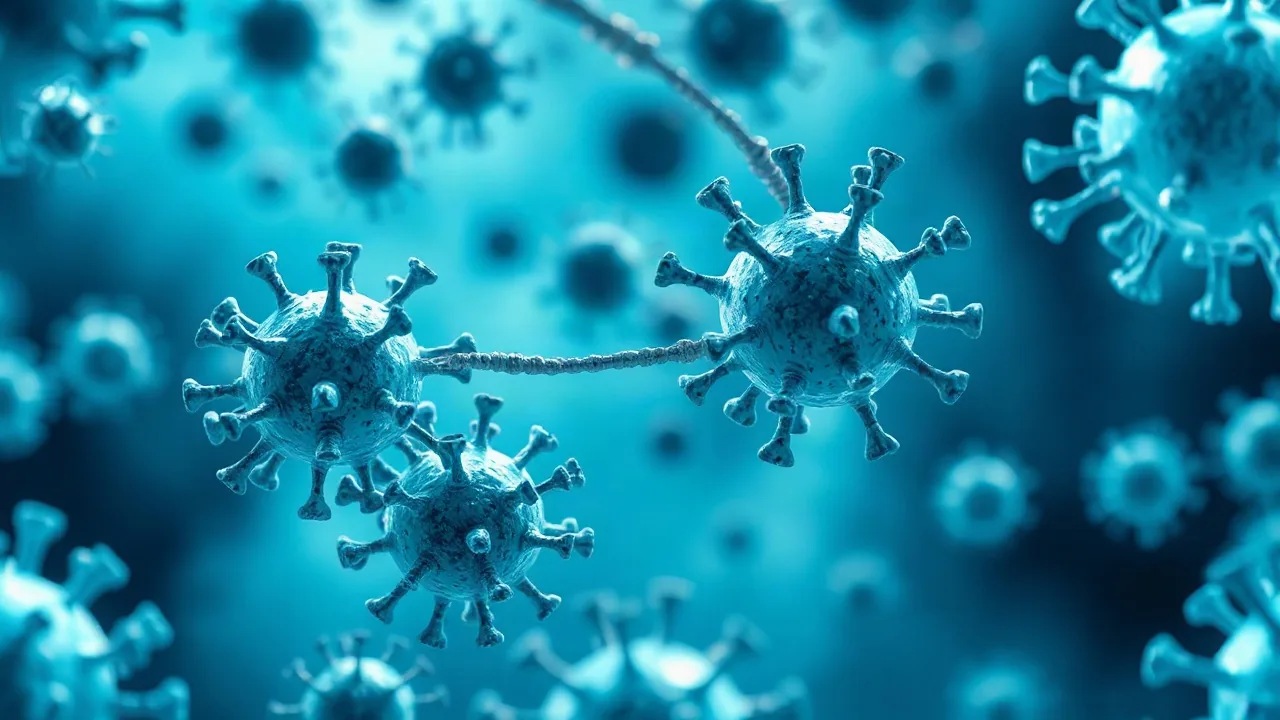
Scientists have discovered a novel mechanism by which viruses disable bacteria, revealing that a specific viral enzyme severs a critical bacterial sensor protein. This action effectively triggers the bacterium's own defense systems against invading viruses, known as phages. The findings, published recently, shed new light on the intricate arms race between bacteria and the viruses that prey on them, and suggest potential new avenues for developing bacteriophage-based therapies.
The research focuses on a protein called CcrM, which plays a crucial role in bacterial cell cycle regulation and stress responses. The newly identified viral enzyme specifically targets and cleaves CcrM. This cleavage disrupts the normal function of CcrM, paradoxically activating the bacterium's anti-viral defenses. This sophisticated tactic by the virus suggests a complex evolutionary strategy to overcome bacterial resistance mechanisms.
A New Front in the Microbiome Battle
This discovery marks a significant advancement in understanding how phages, which are viruses that infect bacteria, interact with their hosts at a molecular level. Bacteriophages have long been explored as a potential alternative to antibiotics, especially in an era of increasing antibiotic resistance. However, their effectiveness can be limited by the very defense mechanisms bacteria evolve to protect themselves. This research pinpoints a specific viral weapon that can bypass or even co-opt these defenses.
Dr. Evelyn Reed, lead author of the study and a molecular biologist at the Institute for Microbial Research, stated, "We were surprised to find that the virus wasn't just attacking the bacteria directly, but was manipulating a key regulatory protein to trigger a cascade of anti-viral responses. It’s a remarkably elegant, albeit deadly, strategy." The study involved detailed genetic analysis and biochemical experiments to confirm the enzyme's function and its precise target.
The implications for future medical treatments are substantial. By understanding how these viral enzymes work, scientists could potentially engineer them or develop synthetic compounds that mimic their action. This could lead to highly targeted therapies that disarm bacteria's defenses before introducing therapeutic bacteriophages, increasing the success rate of phage therapy. Such an approach could be invaluable in treating difficult-to-eradicate bacterial infections, including those caused by multi-drug resistant strains.
The bacterial sensor protein CcrM is involved in various cellular processes, including DNA methylation and cell division. When the viral enzyme severs CcrM, it likely disrupts these fundamental processes, creating an environment that is hostile to the virus's own replication cycle if not properly managed. However, the study suggests that the virus has evolved to exploit this disruption to its advantage, perhaps by initiating a specific type of defense that the virus can then overcome or utilize.
Further research will aim to identify other such viral enzymes and their targets within different bacterial species. Understanding the broader landscape of these molecular interactions could unlock a new arsenal of tools to combat bacterial pathogens, offering a much-needed complementary strategy to traditional antibiotics. The researchers are optimistic that this fundamental biological discovery will translate into tangible clinical benefits in the coming years.