
Cybersecurity Threats at Major League Baseball Games
Attending live MLB games in 2026 exposes fans to evolving cyber risks including mobile payment fraud, credential theft, and venue network vulnerabilities. Experts warn that the surge in digital ticketing and stadium connectivity creates new attack surface for threat actors.

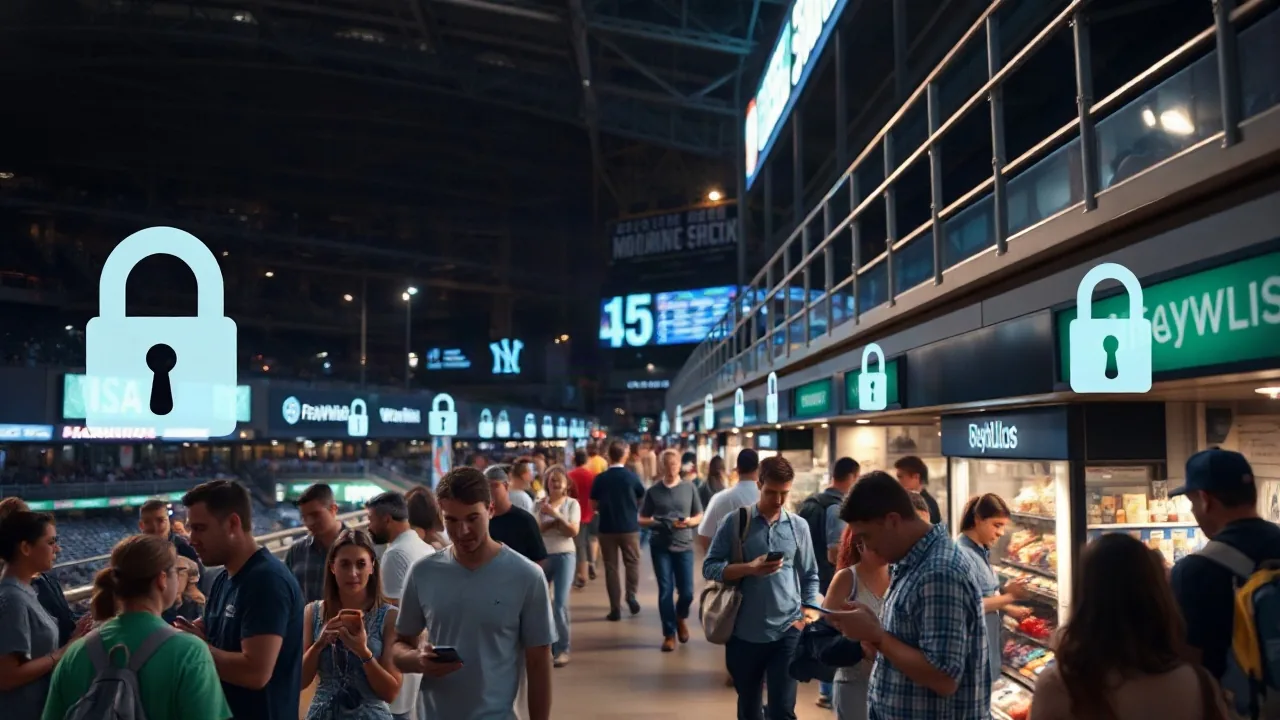
As thousands of fans streamed into Globe Life Field in Arlington, Texas, for the September 2026 matchup between the Boston Red Sox and Texas Rangers, cybersecurity experts reminded attendees that the digital infrastructure supporting modern sports venues now ranks among high-value targets for hackers. The shift toward mobile ticketing, contactless payments, and real-time data collection at stadiums has transformed baseball games into hotspots for identity theft, credential harvesting, and network intrusion attempts.
"We've observed a 34 percent uptick in phishing campaigns targeting sports fans since the start of the 2026 season," said Marcus Webb, director of threat intelligence at SecureVenture Labs, a Boston-based cybersecurity firm specializing in venue security. "Attackers are exploiting the excitement and urgency fans feel when purchasing tickets or concessions on stadium WiFi networks."
The Red Sox-Rangers game exemplifies the challenge. MLB stadiums now process tens of thousands of mobile transactions per game, manage credential systems for 40,000-plus attendees, and maintain WiFi networks that serve both official operations and fan devices. Each integration point introduces risk.
Digital Tickets and Payment Vulnerabilities
Mobile ticketing has become the norm across MLB venues since the league's 2025 digital-first initiative. Fans typically receive tickets via email or team apps, but criminals have adapted by intercepting these communications or spoofing ticket distribution emails before the game.
Concession purchases represent another vector. Contactless payment systems at stadium vendors, while convenient, can be compromised when connected to poorly secured venue networks. A fan purchasing a hot dog with a mobile wallet connected to the stadium's public WiFi may inadvertently expose their payment credentials to attackers positioned on the same network segment.
The data protection standards enforced by MLB require PCI DSS Level 1 compliance for payment processors, yet individual stadiums report inconsistent implementation. Some teams have upgraded network segmentation; others have not, leaving legacy systems alongside newer payment terminals.
What Fans Should Do Before and During the Game
Cybersecurity researchers recommend several concrete steps for attendees at high-profile games like Red Sox-Rangers matchups:
- Avoid the public stadium WiFi for payments; use cellular data or bring a mobile hotspot.
- Purchase tickets directly from official team websites or verified apps, never from third-party reseller links sent via email or social media.
- Enable two-factor authentication on team accounts and payment platforms before game day.
- Monitor bank and credit statements within 48 hours of attendance for unauthorized charges.
- Use a reputable VPN service if accessing stadium WiFi for non-payment activities like checking scores or merchandise.
"The average fan isn't aware that stadium networks often lack the encryption and monitoring that corporate environments enforce," said Dr. Patel Nguyen, principal security architect at ThreatWatch Inc., a firm that audits sports venue infrastructure. "Many of the incidents we see are preventable with basic user hygiene."
Venue-Level Security Gaps and Industry Response
Sports security protocols have expanded significantly since 2024, but cybersecurity integration remains fragmented. While physical security at ballparks is robust, hacking prevention infrastructure varies widely. The Red Sox's Fenway Park and the Rangers' Globe Life Field both employ dedicated IT security teams, yet smaller-market venues sometimes rely on third-party managed service providers with limited sports-specific expertise.
In July 2026, a regional minor-league team disclosed that attackers compromised its ticket system, exposing personally identifiable information for approximately 8,400 attendees. No payment card data was accessed, but the incident highlighted how ticket platforms themselves can be attractive targets independent of stadium WiFi networks.
The Rangers organization, in partnership with Arlington ISD's cybersecurity office, launched a joint initiative in August 2026 to conduct quarterly penetration tests of their ticketing and venue systems. The Red Sox announced a similar program in June. MLB itself has mandated that all 30 teams conduct formal incident response drills before the 2027 season begins.
Industry analysts predict that MLB will require zero-trust network architecture at all venues within three years. This shift would segment fan-facing systems from operational networks and enforce strict access controls regardless of device or connection method.
Attendance at major games like Red Sox-Rangers matchups will likely continue to grow in 2026 and beyond, but the digital footprint of each fan will expand accordingly. Awareness of these cybersecurity risks, combined with deliberate protective behavior and venue-level improvements, remains the best defense against fraud and identity theft at the ballpark.