
RAM Shortage Drives Up Hardware and Gadget Prices in 2026
Memory chip scarcity continues to ripple through consumer electronics in 2026, pushing prices higher across laptops, phones, and gaming devices. Supply chain constraints show no sign of easing soon.

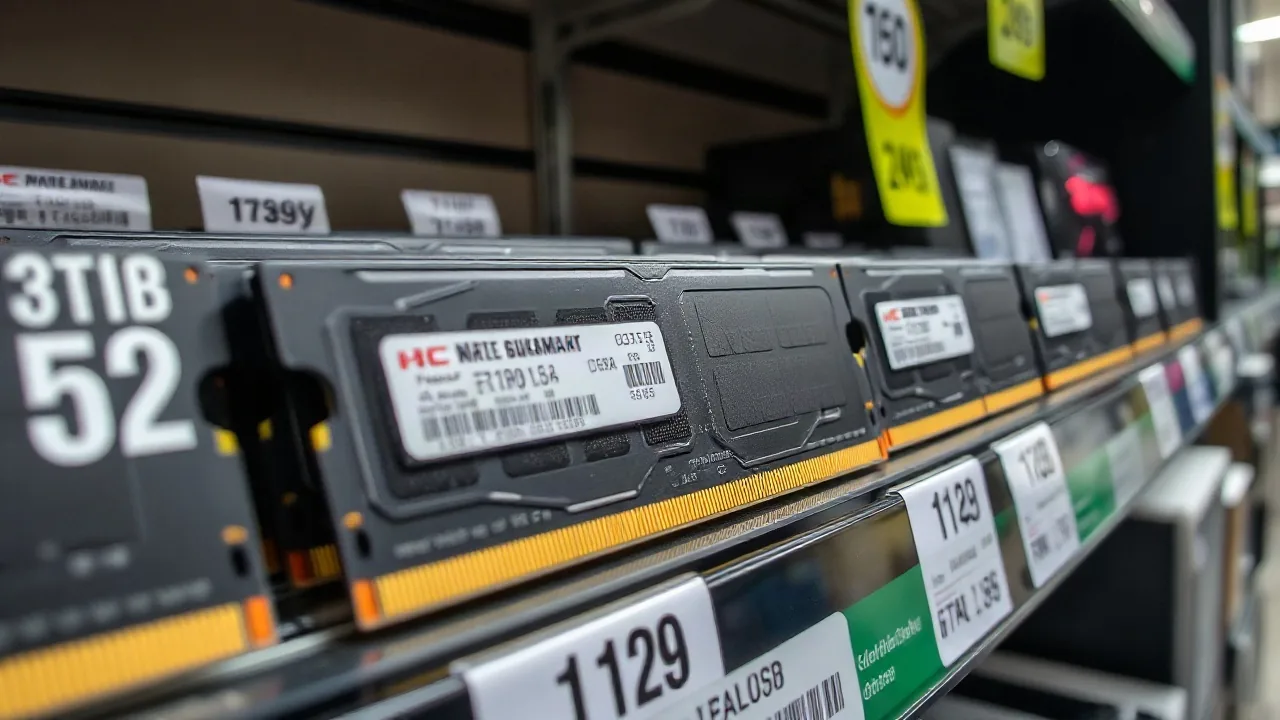
Shoppers hunting for new laptops and tablets this September are facing sticker shock. A persistent RAM shortage is driving up prices across the board, with some mainstream devices jumping 15 to 20 percent compared to early 2026. The squeeze traces directly to production bottlenecks at South Korean and Taiwanese memory manufacturers, which supply the vast majority of DRAM chips worldwide.
Memory prices have been climbing steadily since June 2026, according to TrendForce, a Taiwan-based semiconductor analyst firm. Spot prices for 8GB DDR5 modules rose from $28 in late spring to $34 by August, marking the steepest quarterly climb in three years. The shortage is affecting not just personal computers but also smartphones, gaming consoles, and enterprise servers.
"We're seeing demand exceed supply across all segments," said Jennifer Park, senior analyst at Semiconductor Intelligence Group, in a recent industry briefing. "The shortage isn't acute like 2021, but it's consistent and it's real. Manufacturers are choosing to allocate chips to higher-margin products, which is squeezing the budget and mid-range segments."
What's Causing the Crunch
Three factors are converging to tighten RAM shortage conditions in 2026. First, demand for AI-focused processors and data-center memory has surged, pulling advanced DDR5 production capacity offline. Second, geopolitical tensions have complicated logistics for some suppliers, adding unpredictability to lead times. Third, a handful of manufacturers control over 90 percent of global DRAM production, leaving little redundancy.
Samsung, SK Hynix, and Micron remain the three dominant players. All three reported record orders through Q2 and Q3 2026, particularly from cloud providers and AI infrastructure builders. This demand priority leaves consumer-grade memory in the queue behind enterprise shipments.
- DDR5 DRAM spot prices rose 21% from June to August 2026
- Average laptop configurations now include 16GB as baseline (up from 8GB in 2023)
- Smartphone memory allocations climbing to 12-16GB in flagship models
- Gaming console manufacturers reporting production delays
The supply squeeze has also widened the price gap between entry-level and premium tiers. A budget Windows laptop that cost $499 in January now carries a $549 to $599 tag at major retailers. Premium configurations have climbed even steeper.
Who Feels the Pain Most
Budget-conscious buyers are the hardest hit. Chromebooks, low-cost Windows laptops, and entry-level tablets have all seen price hikes disproportionate to their component costs. Meanwhile, flagship tech gadgets from Apple, Google, and Samsung have absorbed costs more subtly, with manufacturers maintaining prices but cutting into margins or phasing out lower-storage options.
Small system integrators and independent retailers are scrambling to manage inventory. Many report longer lead times from distributors, forcing them to pre-order stock weeks in advance or face empty shelves. This fragmentation is also hitting corporate buyers: IT procurement teams say they're now budget 18 to 24 months ahead instead of the typical 6 to 12 months.
Gaming hardware is another casualty. Graphics card manufacturers depend on hardware prices staying within competitive ranges. NVIDIA and AMD cards are selling closer to MSRP now, but pre-built gaming rigs from manufacturers like ASUS, Corsair, and Alienware are holding higher price points.
"The supply chain issue isn't expected to fully resolve before late 2027 or early 2028," according to a July 2026 report from IC Insights, a Michigan-based research firm. Prices may stabilize sooner if demand from AI infrastructure cools, but analysts see little reason to expect that shift in the near term.
For consumers, the practical takeaway is clear: immediate needs are more expensive now, and waiting may not help much. Manufacturers have already locked in production schedules through the fourth quarter of 2026, so price relief is unlikely before 2027 at the earliest. Budget-conscious shoppers should prioritize devices they actually need rather than hold out for a sale.
Consumer electronics retailers and manufacturers are also exploring alternatives. Some are shifting to slightly older memory standards like DDR4, which commands lower prices but sacrifices performance gains. Others are negotiating long-term supply contracts directly with memory makers to secure allocation and lock in pricing.
The RAM shortage underscores a broader fragility in the global electronics supply chain. With memory chip production concentrated in just three companies, demand shocks in one sector ripple instantly through all others. Industry observers say 2026 will likely mark a turning point: manufacturers may finally invest in building redundant capacity or diversifying suppliers to cushion against future disruptions.