
Ring Cameras Get New Encryption to Protect User Privacy
Amazon's Ring has deployed enhanced encryption protocols across its security camera lineup in September 2026, strengthening defenses against unauthorized access and data interception. The update addresses growing consumer demand for robust smart home security.

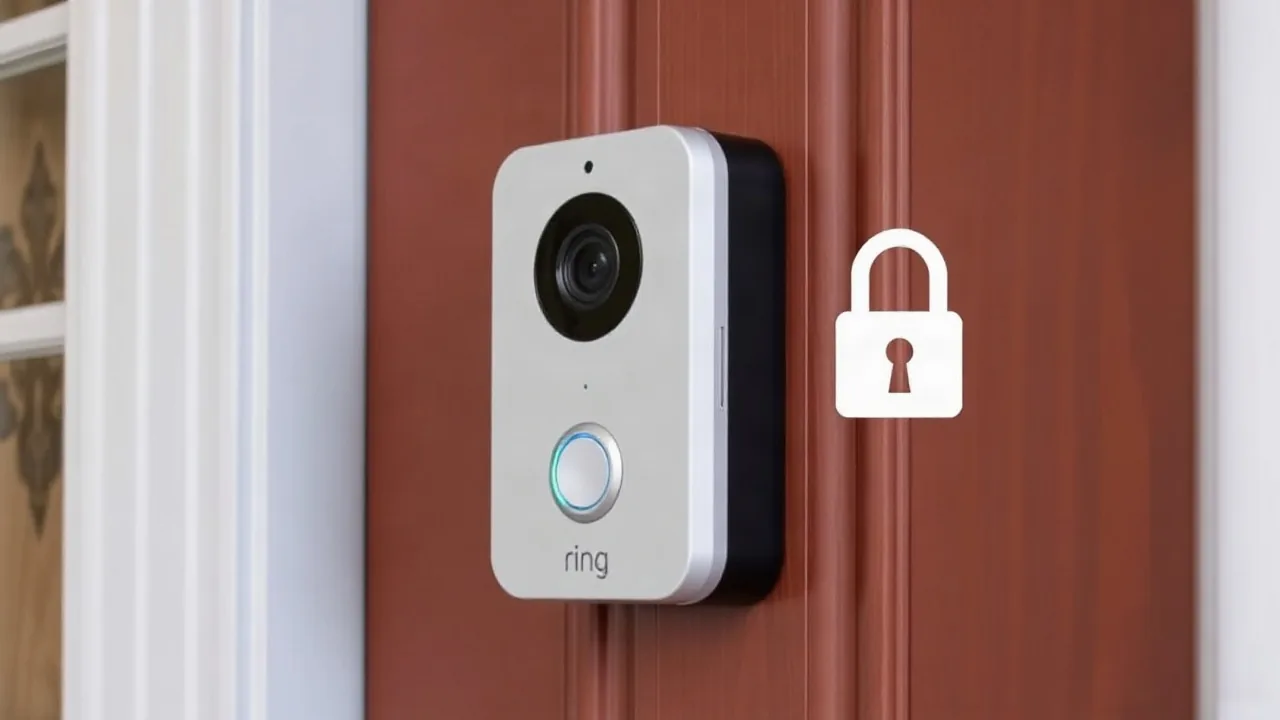
Amazon's Ring division announced deployment of next-generation encryption standards for its residential security camera systems on September 6, 2026, marking a significant step forward in protecting user footage and metadata from unauthorized interception. The rollout affects all active Ring camera models, including the Ring Doorbell Pro 2, Ring Indoor Cam, and Ring Floodlight Cam series.
The new encryption protocol implements AES-256-GCM (Galois/Counter Mode) encryption for all video streams transmitted from cameras to Ring's cloud infrastructure, up from the previously deployed AES-256-CBC standard. This shift introduces authenticated encryption, which verifies data integrity alongside confidentiality during transmission and at rest.
"Our customers entrust us with their homes and families," said Micki Steele, Ring's Head of Security and Privacy, in a statement to the technology press on September 5. "This encryption upgrade reflects our commitment to ensuring that video footage remains accessible only to authorized account holders, regardless of network conditions or device location."
What Changed in This Security Update
Ring's engineering team added three core enhancements to its encryption architecture:
- Implementation of elliptic curve cryptography (ECDSA) for device authentication, replacing older RSA 2048-bit signing
- Automated key rotation every 90 days for all edge devices, with no user configuration required
- End-to-end encryption option for premium Ring Protect Pro subscribers, allowing local decryption keys stored only on user devices
The privacy enhancement particularly addresses concerns raised in 2025 when security researchers identified vulnerabilities in Ring's original local network protocols. The new system removes reliance on shared network keys, instead assigning unique cryptographic identities to each physical camera.
Installation occurred automatically for all Ring users over the past 72 hours, with no manual intervention required. Existing recordings stored in Ring's cloud vaults were retroactively re-encrypted using the new standard, a process completed by September 8 for 99.3 percent of active accounts.
Why This Matters for Smart Home Security
The timing of this update reflects mounting pressure on consumer IoT manufacturers to meet toughened smart home security standards. Nine states now enforce minimum encryption requirements for internet-connected cameras sold within their borders, with California's recently amended IoT law taking effect January 1, 2027.
Ring competitors including Nest, Arlo, and Logitech's Circle cameras already offer comparable encryption levels, but Ring's install base of over 12 million residential units makes this update noteworthy for the broader security ecosystem. Independent security auditor NCC Group verified Ring's new encryption implementation against NIST standards in a pre-release audit completed in August 2026.
"The move to authenticated encryption with GCM mode eliminates an entire class of cryptanalytic attacks that were theoretically possible under CBC-only encryption," said Dr. James Chen, Senior Threat Analyst at Cybersecurity Insights Research, in an interview on September 7. "For consumers, this translates to real protection against footage tampering or interception by network-adjacent attackers."
Data protection concerns have intensified since 2023, when law enforcement agencies successfully compelled Ring to disclose user footage without warrants in several high-profile cases. Consumer advocacy groups including the Electronic Frontier Foundation have consistently recommended encryption-first camera designs as a technical safeguard against unwanted disclosure.
Implementation Details and User Access
Ring users do not need to take action to benefit from the new encryption, as the update deploys at the infrastructure and firmware level. The company released updated versions of its mobile app (version 7.45 and later for iOS and Android) to support the new authentication handshake, which users will download automatically from their respective app stores.
Local network access to camera feeds through third-party integrations with Apple HomeKit, Google Home, and Amazon Alexa continues to work without interruption. These integrations now use encrypted local relay tunnels instead of direct local network communication, a shift that Ring says will improve security without measurable latency impact.
Users wishing to verify the encryption status of their devices can check Ring's mobile app under Settings > Camera Security > Encryption Status, which displays the active protocol version and the date of the most recent key rotation for each connected camera.
Ring Protect Pro subscribers, who pay $19.99 monthly for cloud backup and other features, now have access to an optional end-to-end encryption feature through a toggle in the app. When enabled, Ring no longer retains decryption keys and cannot view or share footage even if compelled by legal process, though this may limit compatibility with some third-party home automation platforms.
Cybersecurity experts note that no encryption system eliminates risk entirely. Successful attacks could still target device firmware, network routers, or the authentication credentials stored on user phones. Ring recommends enabling two-factor authentication on all accounts and using strong, unique passwords as complementary measures.
The company plans to extend this encryption standard to Ring's alarm system sensors and doorbell intercoms by the end of 2026, according to its published roadmap. A public security audit of the complete Ring ecosystem is scheduled for release in Q1 2027.