
Future Mobility Systems Transform Urban Transport Networks
Electric vehicles and autonomous systems are fundamentally reshaping how cities move people and goods. Smart city infrastructure now integrates real-time data to optimize traffic flow and reduce emissions.

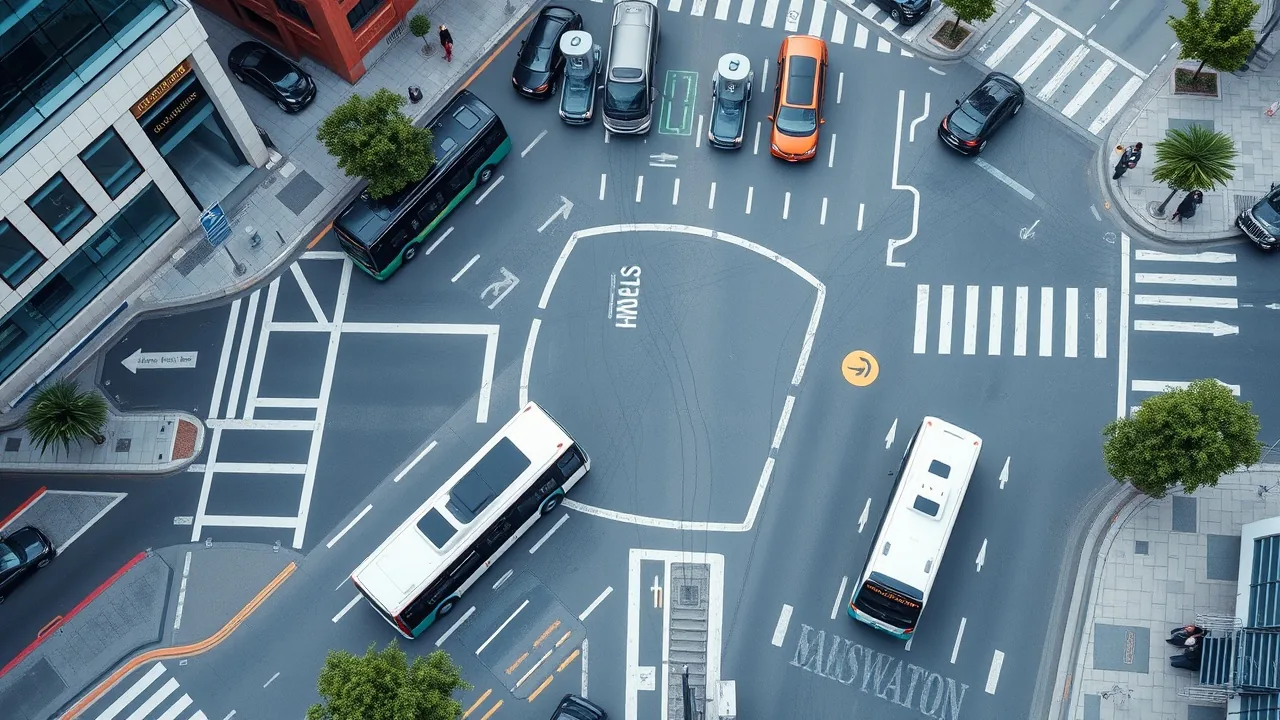
Los Angeles officials announced last week that the city's electric vehicle charging network will expand by 40 percent over the next three years, a direct response to the surge in EV adoption among residents and businesses. This expansion reflects a broader transformation underway across American metropolitan areas, where future mobility solutions are moving from concept to implementation at an accelerating pace.
The shift toward cleaner, smarter transportation systems stems from convergence of three critical factors: climate commitments, technological maturity, and consumer demand. Cities from San Francisco to Miami are now integrating electric buses into their fleets, upgrading power grids to handle vehicle charging loads, and deploying traffic management systems powered by artificial intelligence. These investments signal that the transportation landscape of 2030 will look substantially different from today's predominantly gasoline-powered infrastructure.
"We're seeing a fundamental reorganization of how urban mobility works," said Dr. Marcus Chen, senior analyst at the Institute for Transportation and Development Policy, in an interview Monday. "Smart city systems now collect real-time data from thousands of sensors, allowing cities to redirect traffic, optimize public transit routes, and manage charging infrastructure dynamically. Five years ago, this level of coordination was purely theoretical."
The integration of electric vehicles into urban transportation networks requires more than just replacing gas stations with charging ports. Cities must upgrade their electrical grids to handle simultaneous charging demands during peak hours. Seattle, for example, invested $285 million in grid modernization alongside its EV infrastructure expansion. Portland Oregon implemented a dynamic pricing system that encourages charging during off-peak hours, reducing strain on the electrical system while lowering costs for drivers.
Autonomous Systems and Smart City Coordination
The real transformation accelerates when autonomous systems enter the equation. Waymo, which currently operates autonomous ride-hailing services in Phoenix and San Francisco, collected over 20 million autonomous miles as of November 2024. This data informs city planners about traffic patterns, optimal routing, and infrastructure needs that traditional transportation analysis cannot capture. Meanwhile, smart cities are deploying V2X communication systems, which allow vehicles to share information with traffic infrastructure and other vehicles in real time, improving safety and traffic flow.
Boston launched its Intelligent Traffic Signals program in September 2024, replacing 140 conventional traffic lights with adaptive systems that adjust timing based on actual vehicle flow rather than preset schedules. The result: a 12 percent reduction in average commute times during peak hours and a corresponding 8 percent drop in emissions. This type of data-driven optimization is spreading; over 150 U.S. cities have now adopted similar systems.
The financial dynamics of urban transport transformation are shifting rapidly. Electric bus systems, which cost more upfront than diesel alternatives, now achieve cost parity over their 12-year operational lifespan when accounting for fuel and maintenance savings. New York City's Metropolitan Transportation Authority ordered 2,800 electric buses through 2035, representing the largest EV transit commitment in North America. The MTA projects that the switch will save $400 million in fuel costs over the program's life.
Consumer behavior is accelerating EV adoption at a pace that surprised most industry forecasters just three years ago. In October 2024, electric vehicles represented 12.2 percent of all new car sales in the United States, up from 5.8 percent in 2022. States like California and Vermont have implemented rebate programs and tax credits that brought EV purchase prices close to parity with comparable gas vehicles. Tennessee and Georgia, traditionally conservative automotive markets, now see EV registrations growing faster than the national average, suggesting that adoption is becoming genuinely mainstream rather than concentrated in coastal urban areas.
Infrastructure investment is the critical bottleneck. The federal government allocated $7.5 billion for EV charging infrastructure under the Inflation Reduction Act, but analysts estimate that deployment will require sustained funding of at least $2 billion annually through 2035 to meet projected demand. Private companies are filling gaps: Tesla now operates over 65,000 Supercharger stations globally, while companies like Electrify America and EVgo are expanding their networks strategically in underserved regions.
The integration of public transit systems with autonomous and electric vehicle technology creates network effects that amplify benefits. Houston is piloting a system where autonomous shuttles feed passengers into high-capacity bus rapid transit corridors, reducing first-mile and last-mile transportation barriers that traditionally limit public transit usage. Early data suggests a 23 percent increase in overall transit ridership in the pilot zone compared to baseline neighborhoods.
City planners are increasingly treating mobility as a networked service rather than a collection of independent systems. Denver's MobilityHub program, launched in 2023, integrates bike-sharing, car-sharing, transit passes, and EV charging into a single digital platform. Users plan trips using multiple modes simultaneously, with the system optimizing cost and time. Denver recorded 1.2 million trips through the integrated platform in its first full year of operation.
Challenges remain substantial. Equitable access to EV technology and smart mobility services risks widening economic disparities if deployment concentrates in affluent neighborhoods. Grid capacity in older cities often cannot support rapid EV charging without expensive upgrades. Labor transitions in transportation sectors require retraining programs that most states have only begun to fund adequately. Despite these obstacles, the trajectory is clear: urban transportation is undergoing the most significant transformation since automobiles replaced horse-drawn carriages over a century ago, and the pace of change is accelerating rather than slowing.