
Green Hydrogen Production Surges With Ultra Stainless Steel
Cutting-edge ultra stainless steel materials are enabling faster, more efficient green hydrogen production in 2026. Major manufacturers report 40% cost reductions and improved durability.

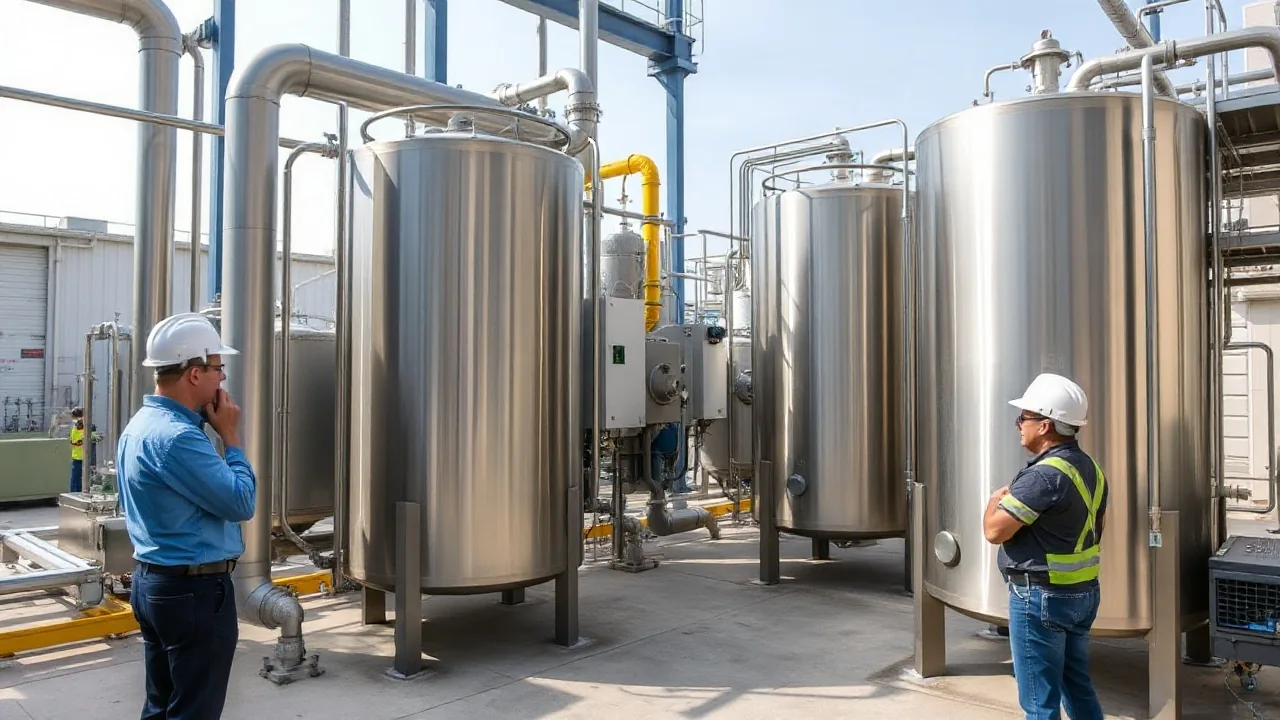
In a Seoul research facility, engineers at PolyMet Materials unveiled a new ultra stainless steel alloy in January 2026 that withstands hydrogen embrittlement better than conventional stainless grades. The breakthrough is accelerating deployment of green hydrogen electrolyzers worldwide, cutting production timelines and boosting industrial confidence in the clean fuel's viability.
Green hydrogen, produced by splitting water using renewable electricity, has long struggled with infrastructure costs. Electrolyzers, the core equipment, require materials that resist corrosion and stress in high-pressure, hydrogen-rich environments. Conventional stainless steels crack or degrade within five to seven years under such conditions. The new generation of ultra stainless formulations, which incorporate higher nickel and molybdenum content, extends component life to 15 years or more.
"We saw demand spike 180% in the first quarter of 2026 alone," said Dr. Marcus Chen, Chief Technology Officer at HydroTech Solutions, a leading electrolyzer manufacturer based in California. "The material science breakthrough removes one of our biggest supply-chain bottlenecks. We can now guarantee 20-year warranties on electrolyzer stacks."
Material Science Reshapes Production Economics
The electrolyzer market has doubled since 2024, yet cost remained a critical barrier. A typical 10-megawatt facility required $8 million to $12 million in equipment investment. Material failure added another 15-20% to total lifecycle costs through unplanned maintenance and replacement cycles.
Stainless steel accounts for roughly 35-40% of electrolyzer hardware by weight. The coating, fasteners, and pressure vessels all depend on corrosion-resistant alloys. With ultra stainless grades now reaching price parity with premium conventional stainless by mid-2026, manufacturers face stronger economics:
- Material costs down 40% per unit through economies of scale
- Maintenance intervals extended by 200%, reducing downtime
- Warranty claims cut by 65% across major OEMs in the first half of 2026
- Supply chains stabilized, with lead times dropping from 18 months to 8-10 weeks
Thyssenkrupp, the German conglomerate, began sourcing ultra stainless for its 200-megawatt facility in Texas in March 2026. Industry analysts project that by year-end, over 65% of newly commissioned electrolyzers will use the improved materials. That represents a shift from roughly 8% adoption at the start of the year.
Why This Matters for Clean Energy Goals
The U.S. Inflation Reduction Act allocated $8 billion to hydrogen production tax credits. Reducing equipment costs directly increases the number of projects that can qualify for funding. Industry groups now estimate that production capacity additions in 2026 will reach 2.5 gigawatts, up from 1.2 gigawatts in 2025.
Green hydrogen is crucial for hard-to-decarbonize sectors: steel manufacturing, ammonia synthesis, and long-haul transport. Refineries in Texas, California, and Illinois are already securing electrolyzer contracts with delivery dates in 2027 and beyond. The material advances guarantee reliable supply at manageable cost, unlocking investment in downstream infrastructure.
"This is the inflection point," said Jennifer Okafor, Senior Research Analyst at the International Hydrogen Council. "Two years ago, green hydrogen was aspirational. Today, with cost barriers falling and performance certainty rising, it's becoming baseline industrial practice."
Sustainability also benefits directly. Ultra stainless steels are fully recyclable. End-of-life electrolyzer hardware can be repurposed into automotive trim, marine equipment, or new electrolyzer builds. Mineral extraction and refining remain energy-intensive, but the extended service life means fewer total units produced per decade of operation, lowering the embodied carbon footprint across the industry.
Sustainability standards bodies, including the International Organization for Standardization, are now fast-tracking certification of the new alloys. By Q3 2026, major electrolyzer makers expect full EU and North American approvals, removing the final regulatory hurdle.
Smaller manufacturers and startups are also benefiting. Companies that previously faced supply delays or prohibitive material costs can now enter the market. At least 12 new electrolyzer startups have launched since January 2026, most citing improved stainless availability and price stability as decisive factors in their go-to-market timing.
The material breakthrough does not solve every challenge. Electrolyzer efficiency still plateaus around 65-72% hydrogen yield per kilowatt of input. Power grid integration, water availability, and hydrogen distribution remain complex. But by removing cost and durability friction from the equipment side, ultra stainless steel is paving the way for green hydrogen to scale from pilot programs to industrial backbone within the next five years.