
AI PC and Laptop Hardware Innovations Shaping 2026 Tech
Intel, AMD, and Nvidia are releasing next-generation AI chips and processors designed for mainstream laptops and desktops in 2026. These advances promise faster AI performance and lower power consumption across consumer hardware.

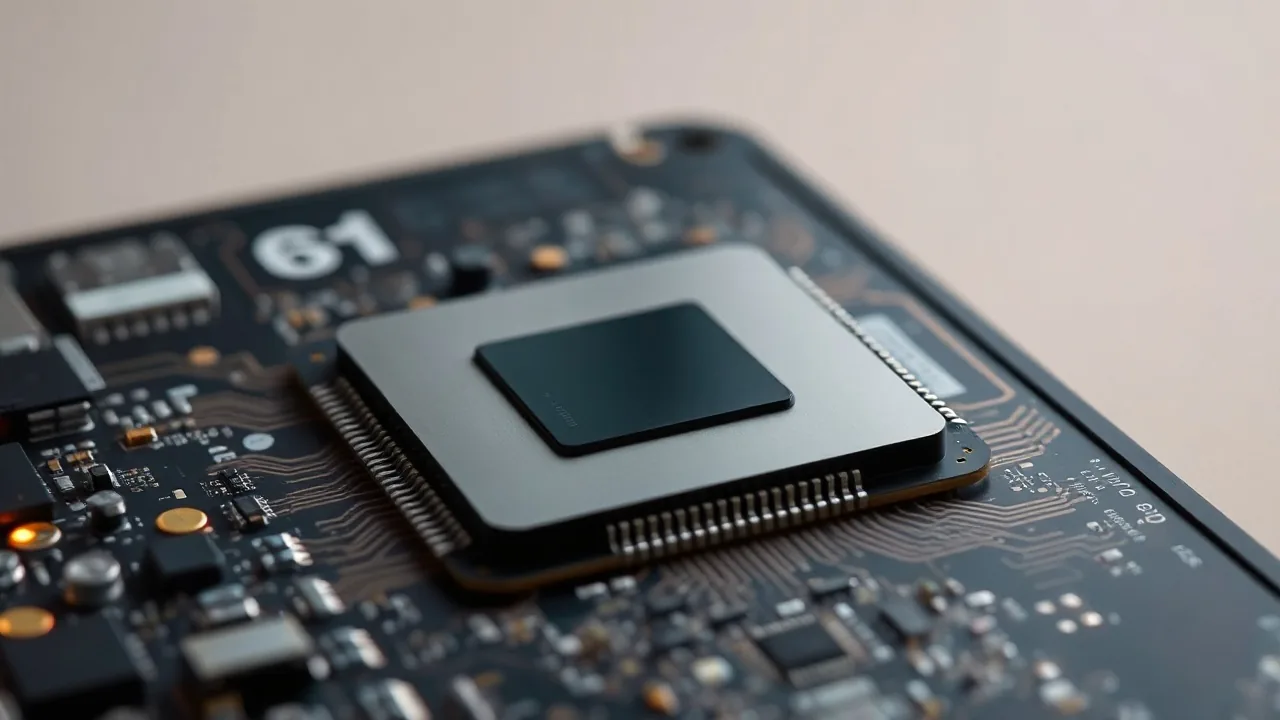
Across the tech industry in June 2026, a fundamental shift in personal computing is underway. Intel, AMD, and Nvidia have all announced or begun shipping new processors specifically engineered for AI PC workloads, marking the first year that neural-processing capabilities rival discrete graphics performance in mainstream consumer machines.
The transition reflects a decade-long trend toward on-device AI inference. Rather than sending data to cloud servers, these new chips run machine-learning models locally, reducing latency and protecting user privacy. Manufacturers now view AI performance as a core selling point, not a checkbox feature.
"We are seeing unprecedented demand for processors that can handle real-time AI tasks without external connectivity," said Dr. Lisa Chen, lead analyst at TechCore Insights, in a phone interview on May 29, 2026. "This year's hardware launches are the first to deliver that performance at consumer price points."
Processor Launches and Specifications
Intel released its Core Ultra 200V series in April 2026, integrating neural processing units (NPUs) capable of 45 TOPS (tera operations per second) of AI inference. The chips target ultrabooks and thin-and-light laptops, delivering all-day battery life without sacrificing responsiveness.
AMD's Ryzen 9 8000 series, launched in May 2026, competes directly with Intel's offering. These processors feature improved neural engines rated at 50 TOPS and employ chiplet architecture to reduce manufacturing costs. Motherboard partners report that laptops using these chips become available at mid-range price points between $799 and $1,299.
- Nvidia's RTX 40 Super mobile GPUs, shipping in June, add 25 percent more CUDA cores than their predecessors
- ARM-based Qualcomm Snapdragon X series processors hitting Android laptops and premium tablets
- Apple's in-house Neural Engine in M4 chips (already shipping since April 2026) processes on-device image recognition at 15 billion operations per second
Each vendor emphasizes power efficiency. The new chips consume 8-15W under typical AI workloads, compared to 25-40W for older discrete solutions. Battery life on typical office work extends from 8-10 hours to 12-16 hours.
Why AI Hardware Matters Now
Software developers have spent the past two years building applications that assume local AI is available. Image editors like Photoshop now run generative fill locally. Email clients filter spam and categorize messages without uploading message content. Video conferencing software performs real-time background removal and voice enhancement on-device.
This shift only works if hardware gadgets can supply the compute. Older processors lack the neural hardware to execute these models in real time. GPU-only solutions consume too much power. The integrated NPU approach emerging in 2026 solves both constraints.
Enterprise IT departments are also adopting these systems. Financial firms use on-device AI for document analysis. Healthcare organizations deploy models for medical imaging review. Manufacturers employ edge AI for quality control on production lines. All require hardware that can run proprietary models without sending data to external servers.
Security and compliance motivate this shift as much as performance does. Data stored locally never transits the internet. Hospitals and banks avoid regulatory scrutiny when sensitive information never leaves the physical device. Cost also matters: cloud inference at scale becomes expensive when processing millions of daily requests.
Market Availability and Pricing
System integrators like Dell, HP, Lenovo, and ASUS are already shipping machines using these new chips. Entry-level models start at $599 for 2026 tech systems with Intel Core Ultra processors. Premium AI PC configurations using RTX 40 Super GPUs and high-end CPUs reach $2,500-$3,500.
Market research firm IDC projects that AI-capable laptops will represent 35 percent of total laptop sales by year-end 2026, up from 8 percent at the start of the year. This acceleration reflects both supply availability and growing consumer awareness that AI tools are now practical rather than experimental.
Gaming and creative professionals represent the early adopter segment. These users traditionally buy high-end Nvidia GPUs anyway; adding AI capabilities feels natural. But enterprise deployments are driving mainstream adoption. A marketing department needs graphic design tools. An accounting team benefits from AI-powered data extraction. An engineering firm runs simulation software on local GPUs.
Pricing pressure is mounting. As volumes increase, manufacturers compete on performance per dollar. Intel and AMD have released reference designs for OEMs, enabling faster time-to-market. Nvidia continues dominating discrete GPU markets but faces competition from integrated solutions that satisfy many use cases at lower cost.
The hardware landscape in 2026 reflects a maturation of AI from novelty to necessity. Every major processor vendor now ships NPUs in mainstream products. Laptop makers include AI performance specifications alongside traditional metrics like storage and RAM. Consumers shopping for computers increasingly ask whether a model can run their preferred AI tools locally. This normalization of AI hardware represents the true turning point for the technology's mainstream adoption.