
AMD Radeon RX 9070 GRE: Lower Specs for Same $549 Price
AMD's new Radeon RX 9070 GRE graphics card offers reduced performance and memory compared to its predecessor, the RX 9070, despite sharing the same $549 price point, raising concerns about 'GPU shrinkflation.'

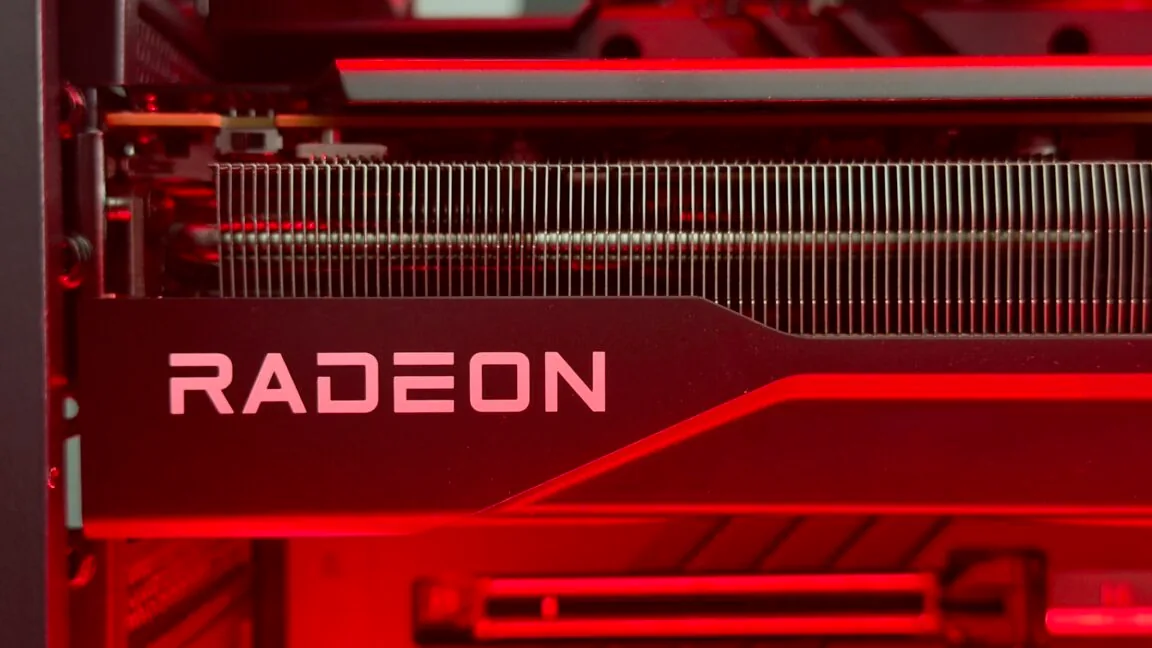
AMD has launched its new Radeon RX 9070 GRE graphics card, a GPU that has been available in China for approximately a year, now making its debut in the US market for a suggested retail price of $549. This release has drawn criticism for what some are calling "GPU shrinkflation," as the new card features significantly cut-down specifications compared to the original Radeon RX 9070, which launched at the same price point. The RX 9070 GRE boasts 85 percent fewer GPU cores, 75 percent less memory, and 66 percent reduced memory bandwidth, raising questions about its value proposition in the current GPU market.
The RX 9070 GRE utilizes the same Navi 48 GPU silicon as the rest of the 9070 series but comes with a more limited configuration. It features 3,072 shader cores, a downgrade from the 3,584 found in the standard RX 9070 and the 4,096 in the RX 9070 XT. Additionally, it is equipped with a 192-bit memory interface and 12GB of GDDR6 memory, a reduction from the 256-bit interface and 16GB of memory on the other 9070 models. This configuration places its hardware capabilities closer to the older RX 7700 XT, which originally launched at $449 in 2023.
Performance and Market Context
In performance benchmarks, the RX 9070 GRE shows a noticeable difference. At 1440p resolution, it is generally 10 to 20 percent slower than the standard RX 9070. While it offers a performance improvement over the 16GB RX 9060 XT, its deficit compared to the Nvidia RTX 5070 widens, particularly in demanding titles and those with ray-tracing enabled. At 4K resolution, the limitations of the 12GB VRAM become more apparent, with some demanding games struggling to run or requiring significant settings reductions and reliance on upscaling technologies like DLSS or FSR. The card's power consumption remains comparable to the RX 9070 despite the reduced core count, suggesting a less efficient power-to-performance ratio.
The GPU market has seen price inflation in recent months, driven partly by AI-related demand for memory, making PC building a challenging endeavor. The RX 9070 GRE's $549 MSRP, identical to the original RX 9070, places it in a difficult position when compared to current market prices. The cheapest RX 9070 cards are selling for $600-$640, with the RX 9070 XT ranging from $700-$740. Even the 16GB RX 9060 XT now starts around $450, significantly above its initial MSRP. Nvidia's GeForce RTX 5070 has also experienced a price increase, now typically found between $630 and $650. This market environment makes the RX 9070 GRE's value proposition questionable.
AMD's decision to launch a card with reduced specifications at the same price point as a more capable predecessor raises concerns about a trend of "shrinkflation" in the hardware industry. This practice, previously observed in consumer goods like groceries, suggests that consumers may be receiving less product for the same amount of money. In the context of gaming hardware, this translates to lower frame rates, reduced graphical fidelity, or limitations in future-proofing due to less memory, all while paying the same premium.
For gamers considering the RX 9070 GRE, it's essential to weigh its performance against its cost and compare it with alternative options available in the market. While it may offer a slight improvement over lower-tier cards like the RX 9060 XT, its performance falls short of similarly priced or slightly more expensive cards from both AMD and Nvidia. The Radeon RX 9070, despite being an older model, offers a more compelling performance package. The GPU market is dynamic, and with limited new releases this year, consumers are advised to carefully evaluate specifications, benchmarks, and current pricing to make an informed purchase decision.