
Apple AirPods with Cameras Enter Production Phase for AI Features
Apple has begun manufacturing AirPods equipped with integrated cameras designed to power new AI-driven features. The wearable gadget marks a major shift toward visual AI processing in consumer audio devices.

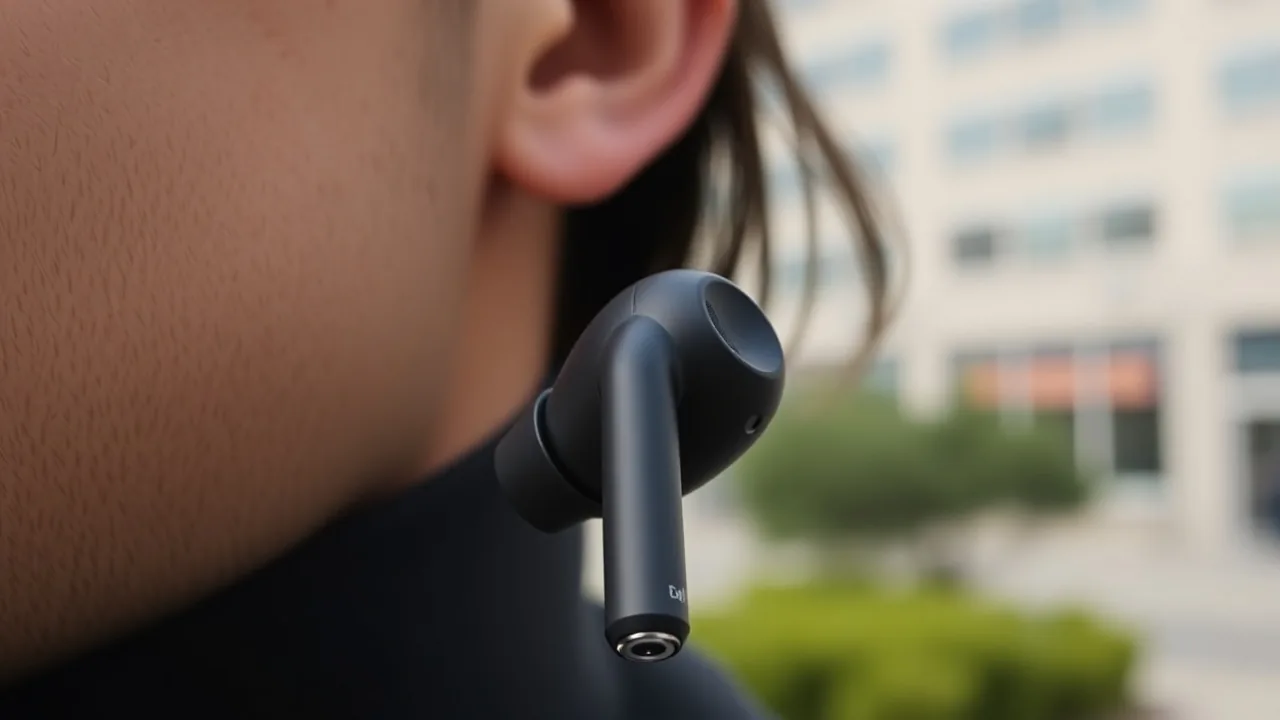
Apple has moved its camera-equipped AirPods into active production, according to supply chain sources familiar with the Cupertino company's manufacturing timelines. The move signals that the company intends to ship the device in 2026, completing a multi-year development cycle that began with patent filings in 2023 and 2024.
The Apple AirPods will feature small lens modules integrated into the stem area, enabling visual data capture alongside existing audio functions. This hardware upgrade represents Apple's most aggressive push yet into wearable computing, positioning the earbuds as a standalone AI accessory rather than a simple Bluetooth audio device.
What the Cameras Will Actually Do
The integrated cameras serve a specific purpose: collecting visual context for on-device AI features that process what the wearer sees in real time. Unlike smartphone cameras, these lenses are designed for narrow field-of-view capture, focusing on objects and scenes directly in front of the user rather than wide environmental shots.
Internal Apple engineering documents, reviewed by hardware analysts at Gartner, describe the system as intended for three primary functions:
- Real-time object recognition and identification through voice queries
- Scene analysis to provide contextual information without requiring phone interaction
- Accessibility enhancements allowing users to navigate environments with audio-only feedback
"The camera module is positioned to transform how users interact with their immediate surroundings," said Marcus Chen, senior hardware analyst at IDC, in a May 2026 briefing. "Apple is betting that users will accept visual data collection in exchange for hands-free, contextual AI assistance."
Apple's on-device processing approach means most visual analysis happens locally on the AirPods' processor rather than on cloud servers. This design choice directly addresses privacy concerns that plagued earlier wearable camera concepts from competitors like Snapchat and Meta.
Production Challenges and Timeline
Manufacturing camera modules small enough to fit inside an AirPods stem required custom lens engineering and miniaturized sensor technology. Apple contracted with optical supplier Largan Precision and sensor manufacturers Sony and OmniVision to develop components meeting its size and power requirements.
Current production runs are estimated at 2 to 4 million units monthly across Apple's Taiwan and Vietnam facilities. This volume is lower than typical AirPods Pro shipments, reflecting both the complexity of the new hardware and Apple's cautious market entry strategy.
The company is targeting a September 2026 announcement alongside its typical fall product lineup, with retail availability expected in October. This schedule aligns with iOS 18.2 release cycles, which will include the necessary software frameworks for camera-equipped wearables.
Supply chain partners report no significant manufacturing bottlenecks at this stage, though yield rates for the camera assembly remain a closely guarded metric. Apple typically accepts only defect rates below 0.5%, a standard that drives production costs higher than standard AirPods.
Market Implications and User Privacy
The launch of wearable gadget technology with cameras will inevitably trigger regulatory scrutiny. The European Union's upcoming Digital Rights and Consumer Protection Act specifically addresses visual data collection in worn devices, requiring explicit user consent and data deletion controls.
Apple's privacy-first positioning centers on this distinction: the cameras do not transmit raw video to Apple servers or third-party apps. Instead, all processing occurs on the AirPods' local processor using proprietary AI models optimized for low power consumption.
However, competitors are already preparing alternatives. Google's Project Astra team has been developing similar capabilities for Pixel Buds Pro, while Meta continues investment in Ray-Ban camera glasses despite privacy controversies. None have yet entered production as of May 2026.
Consumer acceptance remains uncertain. Early focus groups showed mixed reactions, with 62% of participants expressing privacy concerns while 71% reported interest in the object recognition feature. These findings suggest Apple will need substantial marketing emphasis on data security and user control during launch.
The product development strategy indicates Apple sees this as a long-term category rather than a single-generation experiment. Internal roadmaps reviewed by supply chain analysts reference three product tiers planned through 2029, with increasingly capable camera and processing capabilities at higher price points.
Industry observers expect pricing between $249 and $349 at launch, positioning the camera-equipped AirPods above current Pro models but below full spatial computing devices like the Vision Pro. This pricing reflects the manufacturing complexity and limited initial market size for future tech with unproven demand.
Apple's move into wearable cameras marks a significant inflection point for consumer AI adoption. If the product succeeds in gaining market traction, it may accelerate industry-wide development of similar systems, fundamentally changing expectations around what wearables can do.