
Apple's Foldable iPhone to Feature Liquid Metal Hinge in 2026
Apple's anticipated foldable iPhone is reportedly set to feature a durable liquid metal hinge, with prototypes now undergoing carrier testing worldwide. The device is expected to launch in late 2026.

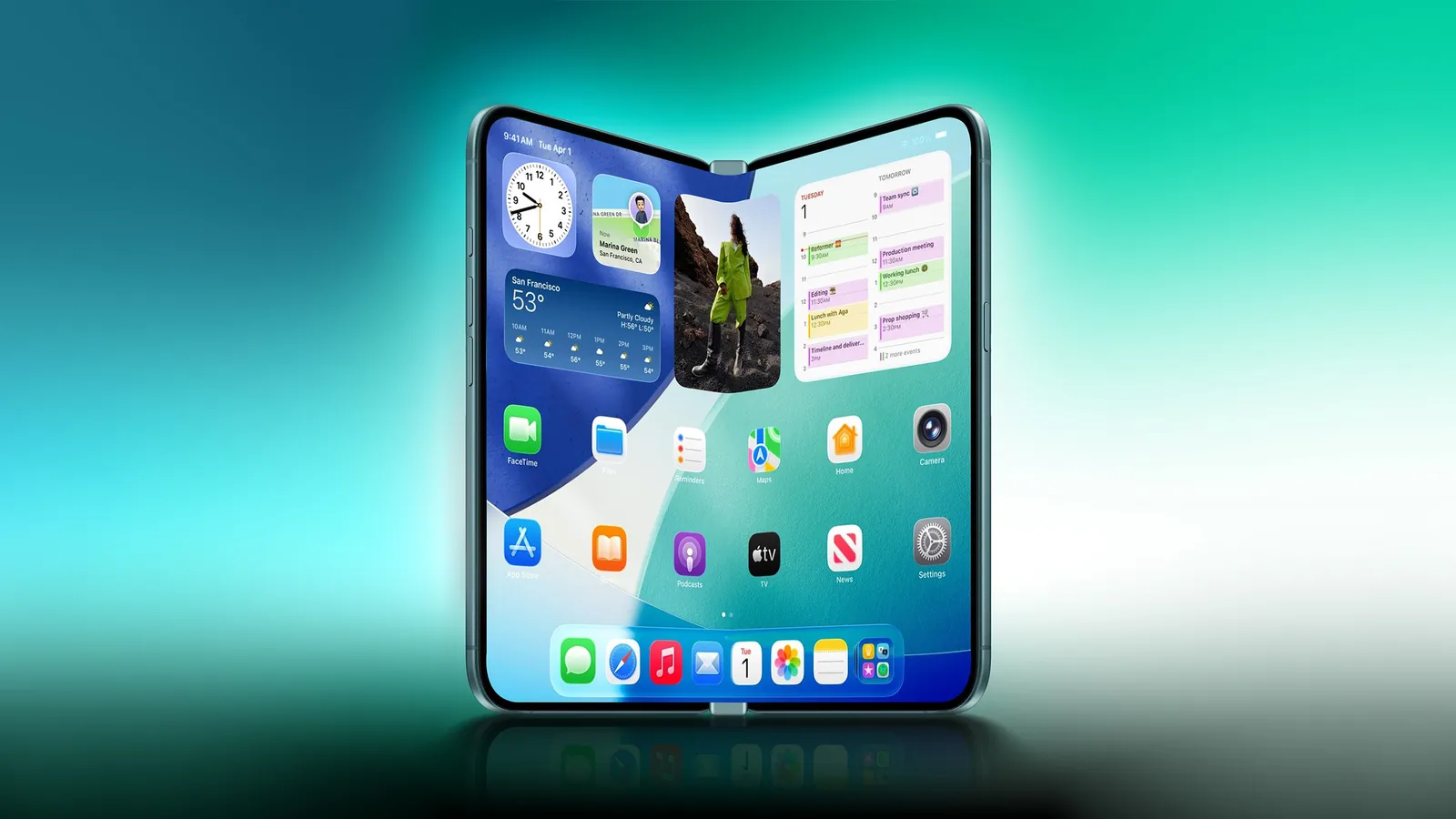
Apple's first foldable iPhone is poised to incorporate an innovative liquid metal hinge and has now sent prototype units to carriers globally for essential testing, according to industry insider "Fixed Focus Digital." This development signals that the creation and production stages for the much-anticipated foldable device are moving forward at an accelerated pace.
The report follows closely on the heels of earlier claims by the same leaker, who suggested the foldable iPhone would also utilize vapor chamber cooling technology. The detail regarding the liquid metal hinge is particularly noteworthy given previous speculation about production challenges. Earlier reports had indicated that hinge failures during rigorous durability tests were a primary obstacle for Apple's quality control. However, Fixed Focus Digital has pushed back against these assertions, positing that the hinge was not the main source of manufacturing difficulties. The latest announcement appears to confirm the hinge as a finalized and integral component of the iPhone's design.
Liquid metal, an amorphous metal alloy, offers a superior strength-to-weight ratio compared to traditional metals, along with enhanced resistance to corrosion and wear. While Apple has utilized liquid metal in select previous products, such as the SIM ejector tool and certain internal components, its deployment in a structural hinge mechanism would represent a significantly more demanding application of the material. A foldable device's hinge is subjected to immense stress, requiring it to withstand hundreds of thousands of open-and-close cycles throughout its operational life. The inherent durability of liquid metal makes it a highly suitable candidate for such a critical component, potentially outperforming conventional metal alloys.
New Hinge Technology Signals Maturity in Foldable Development
Apple's engagement with liquid metal dates back over 15 years. In 2010, the company secured an exclusive worldwide license from Liquidmetal Technologies to commercialize the material in consumer electronics. Despite this agreement, Apple's use of liquid metal remained limited to minor parts like the SIM ejector tool, as scaling the material for larger structural elements proved challenging. Nevertheless, Apple has consistently renewed its agreement with Liquidmetal Technologies, and patent filings have continued to highlight the material's potential for hinges and other moving parts.
This latest report aligns with earlier predictions from supply chain analyst Ming-Chi Kuo, who in March 2025 first suggested that the foldable iPhone's hinge would indeed feature liquid metal, identifying Dongguan EonTec as the exclusive supplier. A subsequent report in January of the same year corroborated these plans. However, a report in April caused some uncertainty when Fixed Focus Digital claimed Apple was still evaluating liquid metal against 3D-printed titanium alloy for the hinge.
The confirmation that prototype units have been distributed to global carriers marks a significant advancement. This step suggests the device has reached a stage of development mature enough for the necessary network compatibility and carrier certification processes that precede a commercial launch. Industry sources indicated in April that mass production was slated to commence in July 2026. While Bloomberg's Mark Gurman previously reported that the device was on track for a September debut alongside the iPhone 18 Pro and iPhone 18 Pro Max, he cautioned that this timeline was not finalized. The foldable iPhone is anticipated to feature a 7.8-inch internal display, a 5.5-inch cover screen, the A20 chip, a C2 modem, and Touch ID integrated into the power button, replacing Face ID. It is also expected to have two rear cameras, with retail pricing rumored to begin at approximately $2,000.