
Apple's Dual-Screen iPhone Duo Exceeds Expectations on Vacation
A recent vacation tested Apple's experimental dual-screen iPhone Duo, revealing surprising utility and user satisfaction beyond initial skepticism.

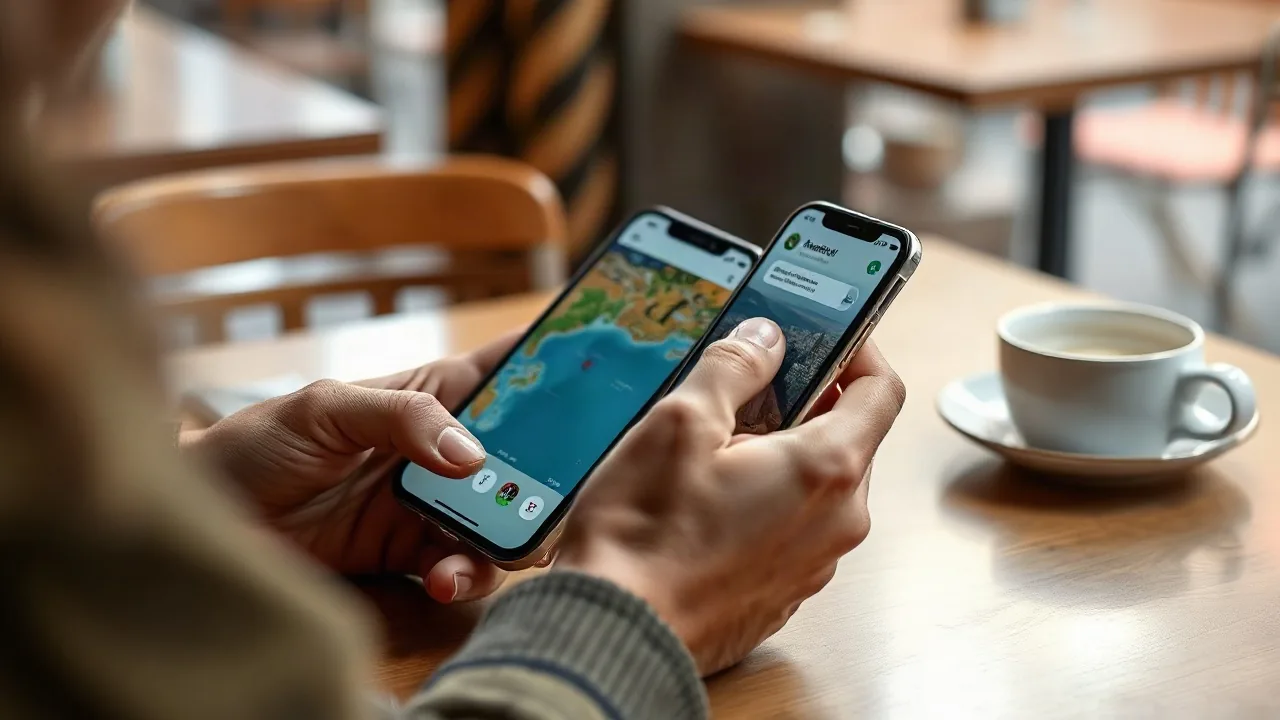
One traveler's recent vacation provided an unexpected proving ground for Apple's innovative, albeit controversial, dual-screen iPhone Duo. Initially viewed by some as a niche device, the foldable smartphone demonstrated significant practical advantages during a week-long trip, challenging preconceived notions about its usability and appeal.
The experience, documented by a TechCrunch contributor, involved relying solely on two iPhone Duo units for communication, navigation, photography, and entertainment. Contrary to expectations that managing two devices would be cumbersome, the reviewer found the flexible form factor and the device's software integration surprisingly intuitive and efficient for travel-related tasks. From seamless multitasking between apps for booking and communication to using one screen as a dedicated camera viewfinder while the other displayed settings, the Duo configuration proved adept.
Dual Functionality Enhances Travel Experience
The core of the Duo's success lay in its ability to offer distinct functionalities across its two displays. For instance, while using mapping applications on one screen, the other could simultaneously display flight information or hotel booking details. This parallel processing capability, a feature often lauded in foldable technology, was particularly beneficial in the dynamic environment of travel. Photography also saw an improvement, with one screen acting as a stable grip and viewfinder, while the other offered access to camera controls and image previews. This setup provided a more comfortable and precise shooting experience compared to traditional smartphone cameras.
"It felt like having a mini-tablet and a full-featured phone in one pocket," the reviewer noted. "The ability to keep maps open on one screen and messages on the other without any lag or software hiccups was a game-changer for navigating unfamiliar cities." This sentiment highlights how the hardware's design directly translates into tangible user benefits.
The device's performance wasn't without its challenges. Battery life, a common concern with foldable devices, required mindful management, necessitating evening charging cycles. However, the reviewer found that the dual-screen functionality often allowed for more efficient usage, potentially offsetting some of the increased power draw for specific tasks. The durability of the folding screen also remained a background consideration, though no issues arose during the trip.
Market analysts have pointed to the potential for devices like the iPhone Duo to redefine smartphone usage, particularly for power users and professionals. "Foldables are moving beyond novelty," commented a senior analyst at IDC. "When the software and hardware synergize effectively, as this review suggests the Duo does for travel, they offer genuine advantages that can accelerate adoption." The strong demand observed since the iPhone Duo's release suggests that consumers are increasingly open to exploring these new form factors, provided they deliver practical value.
The vacation test suggests that Apple's gamble on the dual-screen design may be paying off, offering a compelling glimpse into the future of mobile computing. While not yet a mainstream replacement for traditional smartphones, the iPhone Duo appears to have carved out a significant niche, proving its worth through enhanced productivity and convenience during demanding situations like travel.