
Apple's M7 Ultra Chip to Mirror 2019 Mac Pro's 1.5TB Memory
Apple's anticipated M7 Ultra chip, set for a 2028 release, could support up to 1.5TB of unified memory. This capability would match a high-end configuration of the 2019 Intel-based Mac Pro, though market conditions may affect availability.

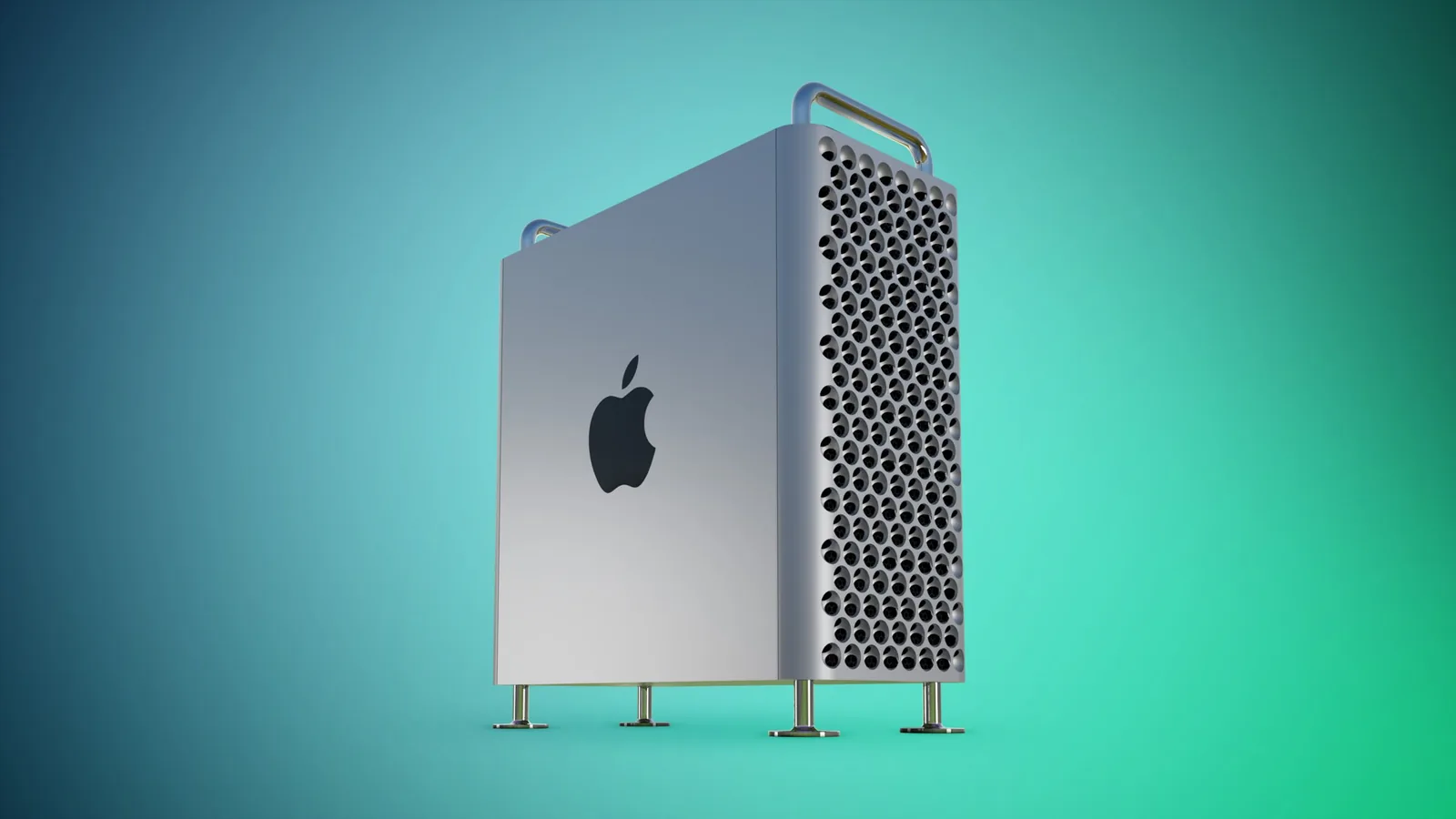
Apple's upcoming M7 Ultra chip, slated for release in 2028, is reportedly designed to handle a massive 1.5 terabytes (TB) of unified memory. This specification would bring the memory capacity of Apple's future silicon in line with a top-tier configuration of the Intel-based Mac Pro that launched in 2019. However, the actual implementation of such a substantial memory configuration could hinge on the global availability of memory chips, which has been a point of concern in recent years.
The revelation comes from insights shared by Bloomberg's Mark Gurman, a prominent source for information regarding Apple's product roadmap. Gurman's report suggests that while the M7 Ultra chip itself will possess the architectural capability to support 1.5TB, the company's decision to offer this exact configuration to consumers may be subject to external market factors, particularly the ongoing fluctuations in the supply chain for memory components.
Contextualizing Future Memory Demands
The potential for Apple's high-end chips to support such vast amounts of memory underscores a significant trend in computing: the increasing demand for processing power and data handling capabilities. Professional users, especially those in fields like video editing, 3D rendering, scientific simulation, and complex data analysis, constantly push the boundaries of what current hardware can achieve. The ability to access and manipulate enormous datasets instantaneously via unified memory is crucial for maintaining fluid workflows and reducing bottlenecks.
Apple's transition to its own silicon, beginning with the M1 chip in 2020, has been marked by a steady increase in performance and efficiency. The company has consistently aimed to bridge the gap between mobile-derived architectures and the demands of professional desktop computing. The 2019 Mac Pro, a powerhouse machine that preceded Apple's shift away from Intel processors, represented the pinnacle of Apple's conventional Mac hardware, offering extensive customization, including up to 1.5TB of RAM. The M7 Ultra chip's projected capability suggests that Apple intends to replicate and potentially surpass this level of memory capacity within its own custom silicon framework.
The mention of a potential memory chip shortage is a critical caveat. Supply chain disruptions and increased demand for semiconductors across various industries have created challenges for manufacturers worldwide. If memory chip production cannot keep pace with anticipated demand or is hampered by geopolitical factors, Apple may face difficulties in sourcing the necessary components for 1.5TB configurations. This could lead to the company offering lower memory options or delaying the availability of the highest-capacity models.
The development of the M7 Ultra chip is part of Apple's ongoing strategy to integrate increasingly powerful processors across its product lines. While specific details about the M7 Ultra remain scarce, its positioning suggests it will be a flagship component for professional-grade Macs, likely successors to the current M3 or M4 series chips. The target release of 2028 indicates a long-term development cycle, allowing for significant advancements in chip architecture and manufacturing processes. The implications for the Apple ecosystem are substantial, promising enhanced performance for demanding applications and reinforcing the company's commitment to its custom silicon strategy.