
Apple MacBook Pro with New Display Sparks Upgrade Debate
Apple's latest MacBook Pro boasts a stunning new display technology. However, its high cost and incremental upgrades are making many potential buyers pause before committing to an immediate purchase.

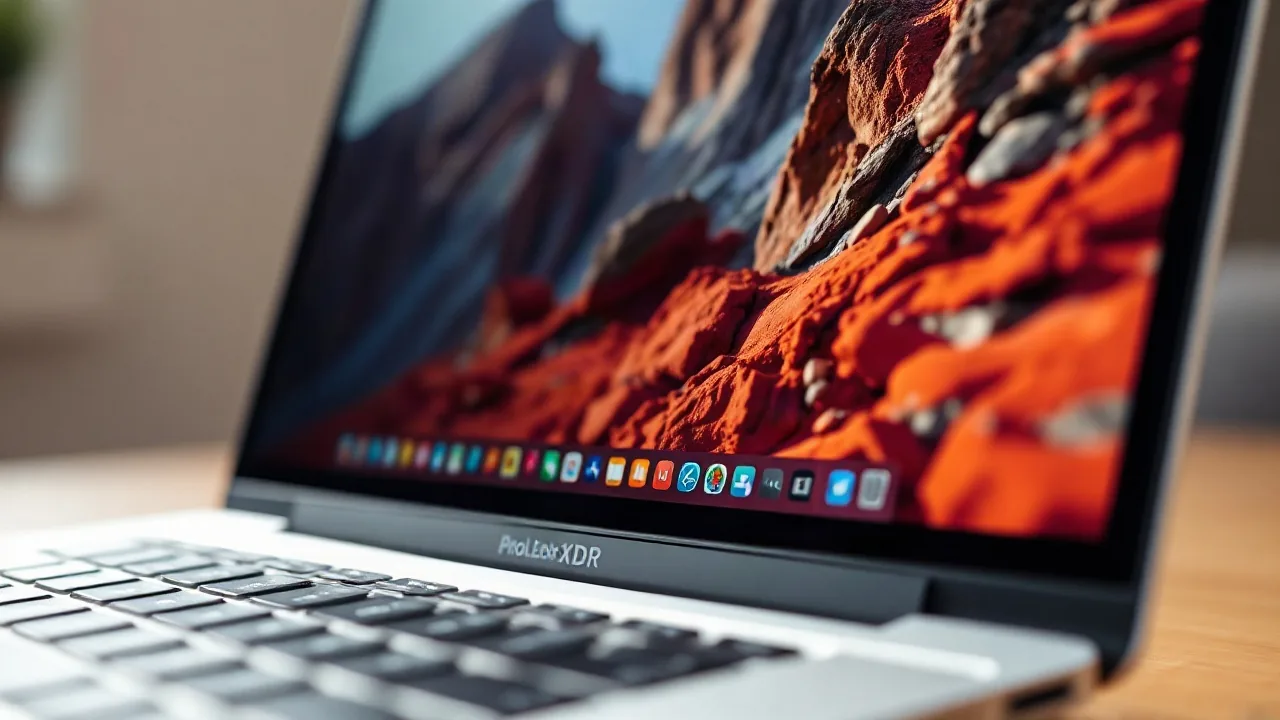
Apple has unveiled its newest MacBook Pro models, featuring a cutting-edge PROLED XDR display that promises unparalleled color accuracy and brightness. The enhanced screen technology, designed to appeal to creative professionals and demanding users, represents a significant visual upgrade from previous generations. Despite the impressive display, a substantial segment of users, including many in the tech review community, are expressing hesitation about immediately upgrading their current machines.
The core of the debate centers on the value proposition of the new MacBook Pro. While the PROLED XDR display is undeniably a technological marvel, its steep price point, coupled with existing capabilities of recent MacBook Pro iterations, has led to a discussion about whether the latest model offers a compelling enough reason for consumers to justify the expense. Early reviews highlight the display's exceptional performance in color-critical tasks, such as photo editing, video production, and graphic design, offering deeper blacks and brighter highlights than ever before on a laptop.
Technological Advancement vs. Practical Needs
The introduction of the PROLED XDR display is a clear step forward in laptop screen technology. This advanced panel uses local dimming zones to control backlight intensity with extreme precision, enabling contrast ratios that rival professional external monitors. For professionals who rely on accurate color representation for their livelihood, this could be a game-changer. However, for the broader user base, including students, general office workers, and casual users, the benefits of such a specialized display might not outweigh the cost, especially when existing MacBooks still offer excellent performance and displays.
Analysts note that Apple's strategy with these high-end upgrades often targets a niche professional market first. This allows for the introduction of new technologies at a premium price, which can eventually trickle down to more mainstream products or become more accessible as production scales. The company has a history of pushing the boundaries of display technology, dating back to the Retina displays introduced in 2012, which similarly set new standards for mobile and laptop screens.
For consumers considering the upgrade, the decision hinges on a careful evaluation of their specific needs and budget. Tech journalists and early adopters often highlight the allure of the latest technology, but the practical reality for most users involves weighing incremental improvements against significant financial outlay. The current generation of MacBook Pros, even without the latest display tech, remains a powerful and capable machine for a wide array of tasks. Apple's previous MacBook Pro releases have set high bars, and this new model, while technologically advanced, faces the challenge of proving its necessity to a market already well-served by its predecessors.