
Asus ROG Ally X20: OLED Screen, Premium Price Draw Early Reviews
The Asus ROG Ally X20, featuring a high-end OLED display and premium build, is garnering significant attention as reviews emerge. While praised for its visual quality and ergonomics, its elevated price point is a key discussion point for potential buyers.

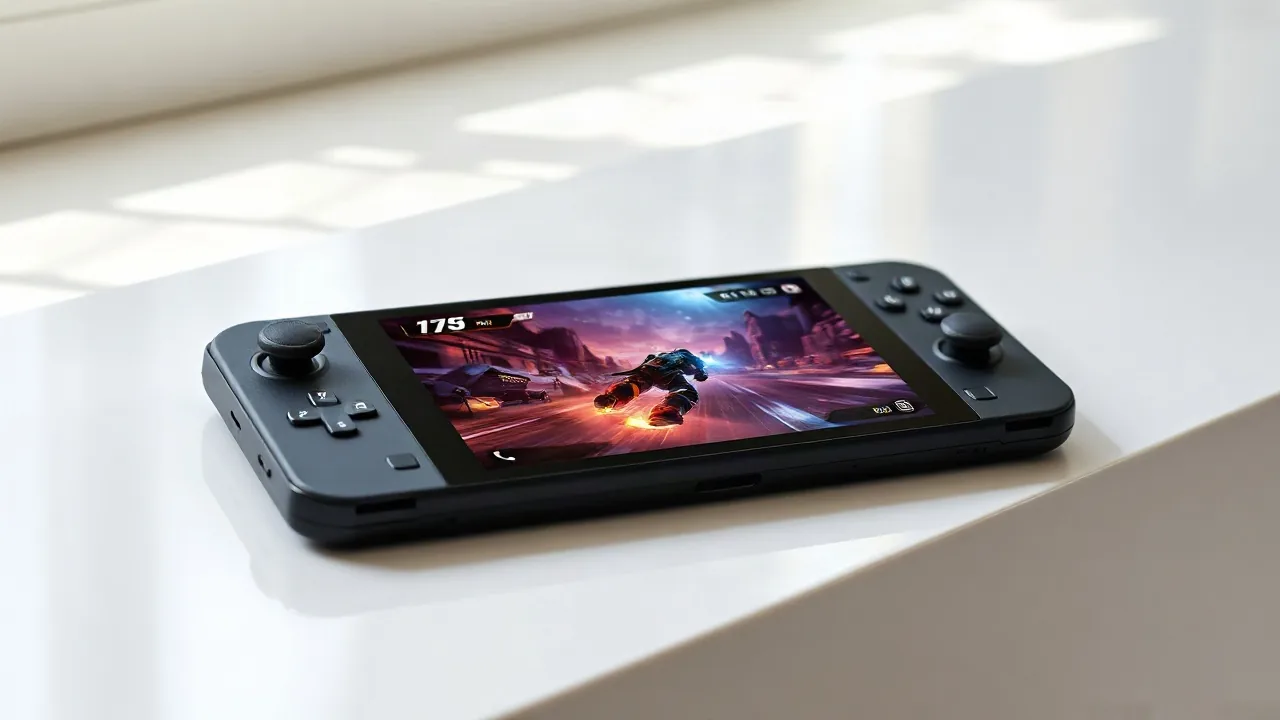
The Asus ROG Ally X20 handheld gaming console has officially launched, and early reviews are pouring in, highlighting its impressive OLED display and premium features alongside a notable price tag. The device, positioned as a high-end competitor in the portable PC gaming market, aims to deliver a top-tier visual experience for gamers on the go.
Initial impressions from various tech outlets emphasize the vibrant colors and deep blacks offered by the ROG Ally X20's OLED screen, a significant upgrade from standard LCD panels. Reviewers frequently commend the device's ergonomic design, noting its comfortable grip and intuitive button layout, which are crucial for extended gaming sessions. However, the console's substantial cost is a recurring theme, with many publications questioning whether the enhanced features justify the premium pricing.
Premium Features Meet Premium Cost
The ROG Ally X20 is equipped with cutting-edge specifications designed to handle demanding PC games. Beyond the stunning display, the device boasts powerful internal hardware, though specific processor and RAM details vary depending on the configuration. The integration of Windows 11 provides a familiar operating system, allowing users to access a vast library of games from platforms like Steam, Xbox Game Pass, and Epic Games Store. This flexibility is a major draw for many potential buyers.
Asus has clearly targeted a segment of the market that prioritizes visual fidelity and build quality. The OLED technology, in particular, is lauded for its ability to produce true blacks and a wider color gamut, enhancing the gaming experience for titles that benefit from striking visual contrast. This focus on premium components, however, inevitably drives up the manufacturing cost, translating to a higher retail price compared to other handheld gaming PCs released in 2026.
Early user feedback and professional analyses indicate a divided reception regarding the value proposition. While the hardware is undoubtedly capable and the display is a standout feature, the financial commitment required to own the ROG Ally X20 is a significant barrier for a considerable portion of the gaming community. Comparisons to other devices in the handheld gaming PC space often highlight that while the X20 may offer a superior screen, its price makes it a more specialized purchase. Critics suggest that for users not solely focused on OLED quality, more budget-friendly alternatives might offer a more compelling overall package.
The success of the ROG Ally X20 will likely depend on its ability to convert initial impressions of its high-quality display and performance into sustained sales. Asus faces the challenge of demonstrating that the premium experience justifies the cost, particularly as the competitive landscape for portable gaming devices continues to evolve rapidly throughout 2026. The company's commitment to software updates and potential future price adjustments could also play a role in its long-term market reception.