
CMF Phones: How Nothing Achieves Budget Pricing
CMF, a sub-brand of Nothing, offers budget smartphones by using less premium components like plastic frames and mid-range processors. Rising memory costs have recently impacted new releases.

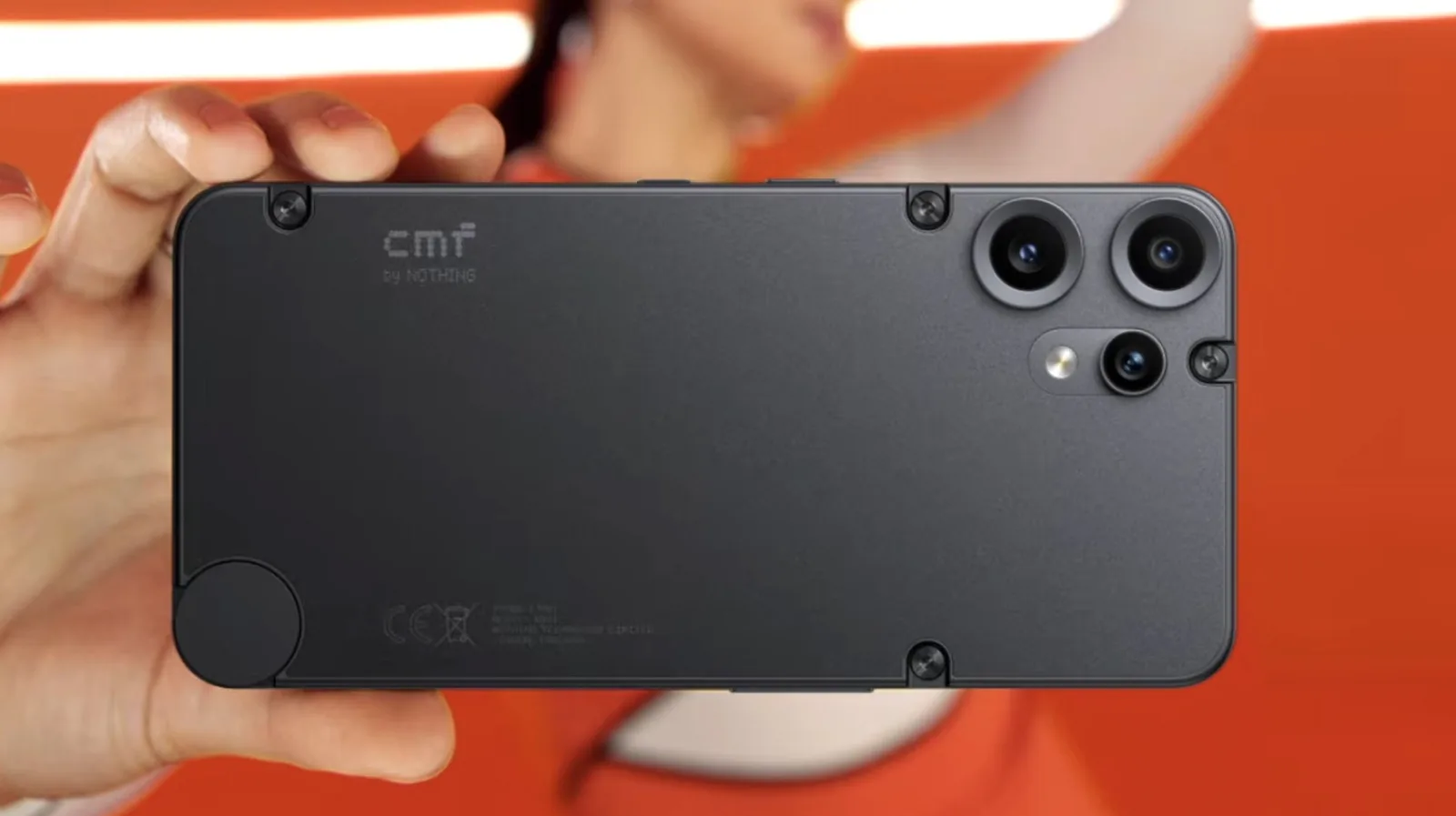
CMF smartphones, a budget-focused sub-brand of the design-forward company Nothing, have made a mark by offering compelling features at significantly lower price points than their parent company's offerings. While not widely available in the United States, CMF's strategy for achieving affordability lies in strategic component choices and material selection, contrasting with the more premium builds of Nothing-branded devices.
The core of CMF's cost-saving approach involves opting for less expensive materials and components. For instance, the CMF Phone 2 Pro, which launched in May 2025 with a price tag of $279, utilizes a plastic rear panel and frame, a departure from the glass and metal construction found on higher-end phones like the Nothing Phone (4a) Pro. The display is protected by Panda Glass, a more economical alternative to the ubiquitous Gorilla Glass seen on flagship models. Powering the device is a MediaTek Dimensity 7300 Pro chipset, a mid-range processor capable of handling daily tasks and light gaming but falling short in demanding applications such as advanced camera processing.
Camera and Memory Compromises for Cost
Camera performance is another area where CMF makes significant compromises to keep costs down. While the CMF Phone 2 Pro boasts impressive megapixel counts on paper—including 50-megapixel main and telephoto lenses alongside an 8-megapixel ultrawide—the actual image quality is impacted by sensor limitations and less sophisticated processing. Users may notice reduced performance in low-light conditions and the absence of optical image stabilization, relying instead on electronic stabilization. These factors contribute to an overall image quality that does not rival that of more expensive smartphones.
Further cost reductions are achieved through the use of older memory and storage standards. The CMF Phone 2 Pro employs LPDDR4X memory and UFS 2.2 storage. While these are not the latest technologies, they allow for substantial savings, especially considering the cost sensitivity of the budget market. The inclusion of a microSD card slot also offers an affordable expansion option for users needing more storage capacity.
These cost-saving measures are particularly relevant given the current market dynamics. Nothing co-founder Akis Evangelidis revealed in June 2026 that the rising cost of smartphone memory is a primary obstacle to launching meaningful upgrades for the CMF line at its target price point. This led to the decision to postpone the release of a new CMF phone for 2026, with no firm commitment for a 2027 launch. This situation highlights the ongoing challenges within the budget smartphone segment, where manufacturers must balance affordability with competitive features.
The budget smartphone market itself is facing shifts. While U.S. sales of sub-$100 Android phones saw a significant 64% year-on-year decline in the second quarter of 2026, the $200-$299 price bracket experienced nearly 200% growth. This expansion is partly attributed to brands like Motorola increasing their prices. CMF's phones, which typically fall into this growing mid-to-budget segment, are finding their stock diminishing in various markets. The brand's repositioning as an independent subsidiary based in India with its own R&D and manufacturing facilities, announced eight months prior to the production cost revelations, adds another layer to its future strategy.
Ultimately, CMF's appeal rests on its ability to deliver distinctive aesthetics and essential smartphone functionality at a price point that significantly undercuts premium competitors. By carefully managing material costs, component selection, and embracing older, more affordable technologies, CMF aims to capture a segment of the market that prioritizes value. The recent challenges, however, underscore the delicate balance required to maintain affordability in a market where component costs, particularly for memory, continue to fluctuate.