
Dell XPS 13 (2026) Review: Affordable Windows Laptop
Dell's latest XPS 13 aims for the budget market with an all-metal build and touch display starting at $699.99. It features Intel's new entry-level Wildcat Lake processor, but 8GB of RAM may be a limitation for some users.

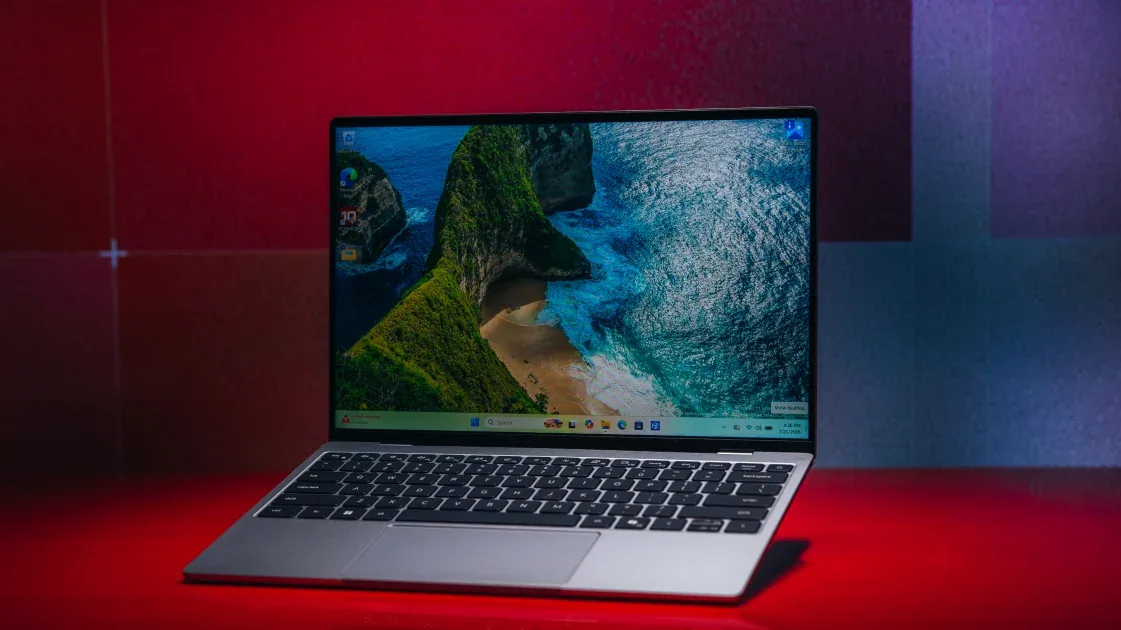
Dell has launched its 2026 XPS 13 laptop, targeting the entry-level market with a compelling price point and premium design elements. The new model, starting at $699.99, features an all-metal chassis, a 13.4-inch touch display with a 120Hz refresh rate and 1600p resolution, and is powered by Intel's new Core 5 320 "Wildcat Lake" processor. This latest iteration of the XPS line aims to balance affordability with the recognizable quality of Dell's higher-end offerings.
The base configuration includes the Intel Core 5 320 processor, which is part of Intel's "Wildcat Lake" platform designed for everyday computing tasks. It is paired with 8GB of single-channel DDR5 memory running at 7,467 MT/s and a 512GB M.2 PCIe solid-state drive. While the 1600p touch display offers a sharp visual experience, the 8GB of RAM may present a bottleneck for multitasking or more demanding applications, especially considering the increasing memory requirements of Windows 11. An upgrade to 16GB of RAM pushes the price to $899, a significant jump that places it in competition with a different class of laptops.
The choice of the Core 5 320 processor, featuring six cores (two Performance, four Efficient) and six threads up to 4.6GHz, is a strategic move to keep costs down. However, it means that at launch, users cannot opt for more powerful Intel processors like the upcoming Core Ultra Series 3 "Panther Lake" chips, which will be available later for other XPS models and will support up to 32GB of memory and 1TB SSDs. The limited upgrade path for the current XPS 13, restricted to memory only, means prospective buyers must carefully consider their needs at the time of purchase.
A Premium Build at an Accessible Price
A key selling point for the new XPS 13 is its all-metal construction, a feature rarely found in laptops within this price bracket. The aluminum body, available in "Sky" blue and standard silver "Storm," offers a high-quality feel that rivals more expensive machines. This design choice directly competes with Apple's recently adjusted MacBook Neo pricing, which also aims for a premium build at a more accessible cost. The laptop is also remarkably portable, measuring just 0.5 inches thick and weighing a mere 2.2 pounds, making it lighter than the MacBook Neo.
Unlike its larger XPS siblings, which feature seamless haptic touchpads and flush keyboards, the XPS 13 retains a more traditional design. The keyboard, while not featuring the edge-to-edge key caps of its pricier counterparts, is comfortable to use and includes backlighting – a feature notably absent from the MacBook Neo. The touchpad is adequately sized and responsive for a laptop of this class. This approach to design, focusing on essential premium features while omitting costly extras, is central to Dell's strategy for the budget-conscious consumer.
The original pricing of the MacBook Neo was $599, but a component supply squeeze in 2026 led to a $100 increase, bringing it to $699, matching Dell's starting price. Both companies offer student discounts; Dell's current education discount is valid until November 2, 2026, while Apple's is a standing policy. For users considering the 16GB RAM upgrade on the XPS 13, the $899 price point introduces alternatives such as the HP OmniBook 14, which might offer a more balanced configuration for the cost.
The Dell XPS 13's strategy is to offer a taste of the premium XPS laptops experience without the premium price tag. While the base model's 8GB RAM and entry-level processor might not satisfy power users, it presents a strong option for students, casual users, and anyone seeking a well-built, portable Windows machine for everyday tasks. The inclusion of a touch screen and a solid metal build at this price makes it a noteworthy contender in the competitive budget laptop market.