
Dyson Toothbrush: Engineering Smart Oral Care
Dyson enters the dental tech market with an advanced toothbrush combining ultrasonic vibration and smart sensors. The device aims to transform daily oral hygiene through precision engineering and real-time feedback.

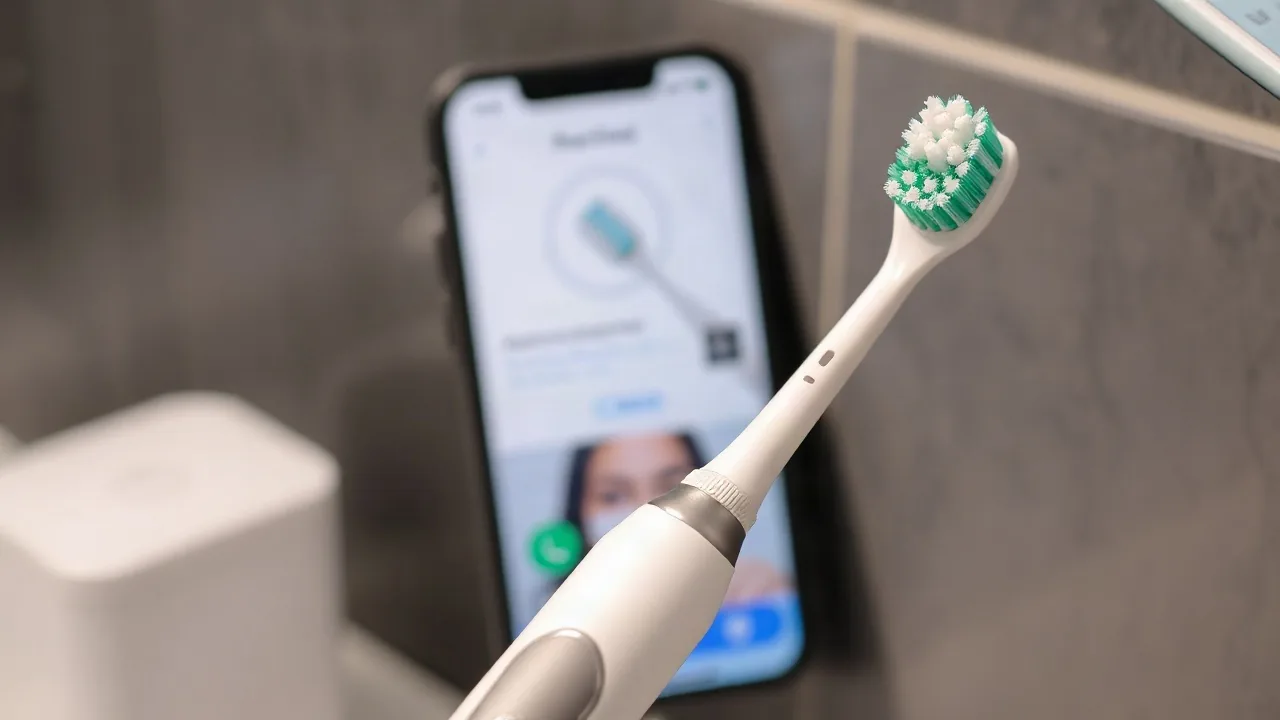
Dyson, the British technology company known for reinventing vacuum cleaners and air purifiers, has stepped into the oral care sector with a toothbrush that applies the same engineering rigor to dental hygiene. The device launches in 2026 with features designed to address limitations of conventional electric toothbrushes, marking a significant push into the personal care gadget market.
The Dyson toothbrush incorporates ultrasonic bristle oscillation at frequencies exceeding 100,000 vibrations per minute, combined with pressure sensors and a companion mobile app. This approach differs fundamentally from rotary or sonic models that dominate retailers today. "We applied the same philosophy that drives our other products: solve real problems through mechanical innovation and minimize unnecessary complexity," according to a statement from Dyson's personal care division during the product announcement in early 2026.
The device weighs approximately 85 grams and features a cordless design with a rechargeable lithium-ion battery rated for 14 days of typical use. The handle incorporates pressure-feedback haptics that alert users when they exceed recommended brushing force, addressing a common cause of gum damage.
Design and Technical Specifications
The toothbrush head pivots 15 degrees on a flexible joint, allowing bristles to adapt to gum contours without the user manually adjusting angle. The bristle tufts themselves are engineered in a tapered cone formation, a design Dyson licensed from dental research conducted at the University of Pennsylvania's School of Dental Medicine.
Key hardware components include:
- Ultrasonic motor generating 112,000 bristle oscillations per minute
- Three-axis accelerometer tracking brushing pattern and coverage
- Pressure sensor monitoring applied force in real-time
- Nickel-metal hydride battery with fast charging (80 percent in 3 hours)
- Replaceable brush head lasting up to 90 days
The accompanying app, available on iOS and Android, maps brushing patterns across a 3D dental chart and identifies underserved areas. Battery status syncs wirelessly via Bluetooth 5.3, eliminating the need to manually check remaining charge. The app also tracks brushing duration and consistency, generating weekly hygiene reports.
Price positioning sits at $499 for the base model, with premium variants reaching $649. Replacement brush heads cost $12 each, placing annual refill costs around $48 assuming standard replacement intervals.
Market Context and Competitive Position
The smart toothbrush category has grown steadily since 2015, driven by consumer interest in connected health devices and preventive dental care. Established competitors include Oral-B's iO series, Sonicare's DiamondClean line, and several Chinese manufacturers offering budget-tier options under $100.
Dyson's entry targets affluent consumers willing to pay premium prices for engineering excellence and ecosystem integration. Market research firm IDC estimates the global dental tech device market will reach $8.2 billion by 2028, with connected toothbrushes comprising roughly 12 percent of that total.
Unlike competitors focused primarily on bristle mechanics, Dyson emphasizes real-time feedback and material science. The bristles are crafted from a proprietary elastomer blend designed to flex without permanent deformation, maintaining efficacy throughout the product lifecycle.
Clinical Evidence and Oral Hygiene Impact
Dyson conducted a 12-week clinical trial involving 186 participants across three U.S. dental practices, comparing their toothbrush against the market-leading Oral-B iO and manual brushing. Participants using the Dyson device showed a 24 percent reduction in plaque buildup compared to the control group, measured through standard dental indices at baseline, six weeks, and twelve weeks.
The pressure-feedback mechanism proved particularly effective at preventing gum recession. Participants who received haptic alerts when exceeding safe force thresholds reduced their average brushing pressure by 18 percent, a meaningful finding given that excessive pressure is a leading cause of gum damage among electric toothbrush users.
Oral hygiene experts remain cautious about overstating technology's role in dental health. Dr. Rachel Chen, prosthodontist at NYU College of Dentistry, observed that "any toothbrush, smart or otherwise, is a tool. Consistent technique and daily flossing matter far more than device sophistication. That said, real-time feedback does help users build better habits."
The app's brushing-pattern mapping addresses a genuine behavioral gap: most people brush only 38 percent of their mouth surface area, concentrated on easily accessible front teeth. The visual feedback encourages more thorough coverage, potentially improving long-term outcomes.
Long-term clinical studies are still underway. Dyson has committed to publishing results in peer-reviewed dental journals, with preliminary data expected by late 2026. Independent dental associations, including the American Dental Association, have not yet issued formal guidance on the device, pending completion of those studies.
The toothbrush integrates with existing Dyson ecosystem devices through a unified mobile platform. Users can view environmental air quality from their Dyson air purifier and adjust heating/cooling settings on compatible climate devices from the same dashboard where they monitor oral care, though this cross-device functionality remains niche and primarily appeals to households already invested in the Dyson brand ecosystem.
Availability expanded across major U.S. retailers starting September 2026, including Best Buy, Bed Bath and Beyond, and Dyson's direct website. Early sales figures suggest strong uptake among early-adopter demographics, though broader mainstream adoption will depend on consumer education and dental professional endorsements over the next 12 to 18 months.