
Exynos 2600 Cooling Tech Beats Liquid Nitrogen, Enhances Smartphone Performance
Samsung's Exynos 2600, featuring innovative Heat Pass Block technology, has demonstrated superior thermal management compared to liquid-nitrogen-cooled competitor chips. This advancement promises more sustained performance in future mobile devices.

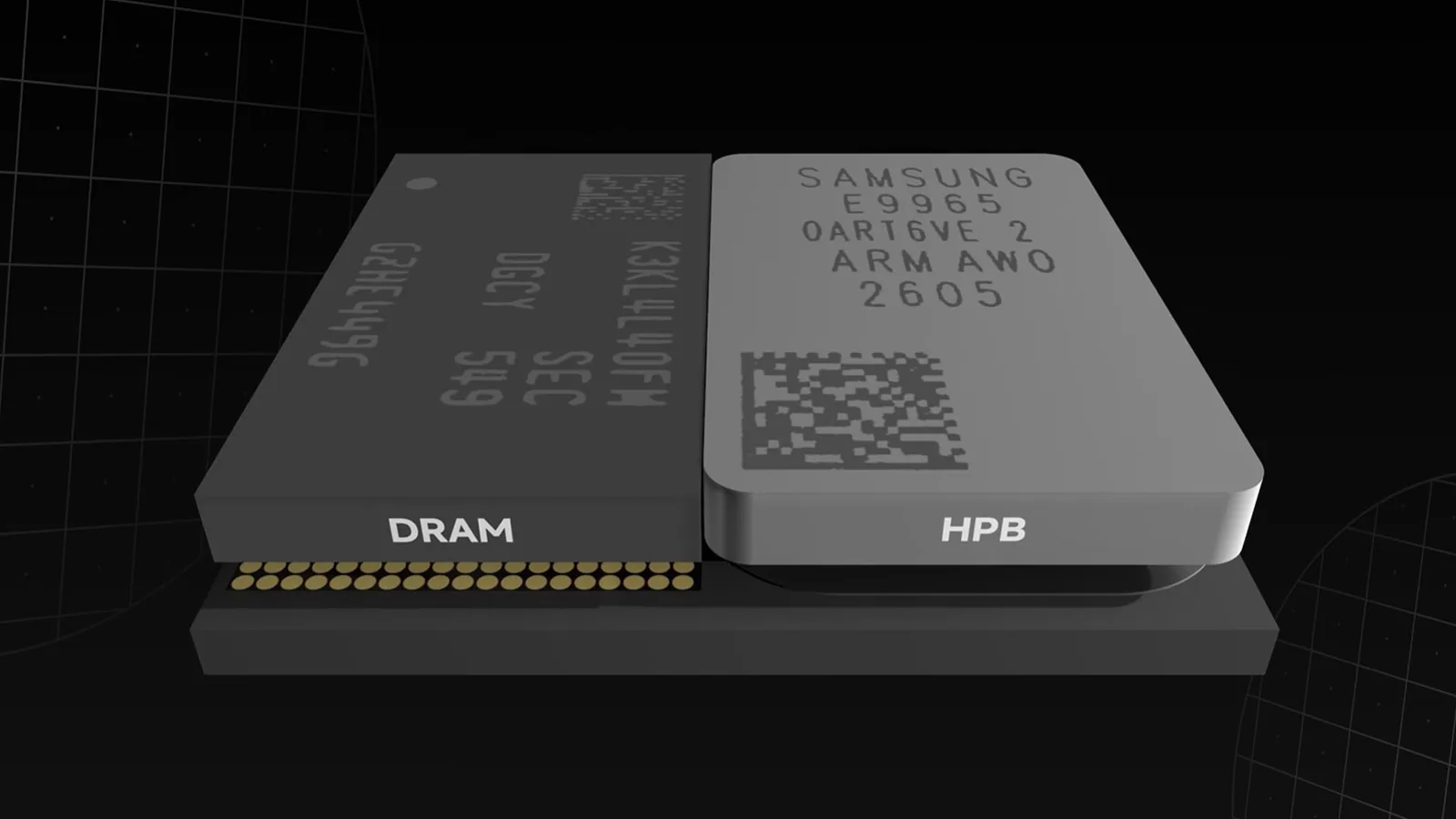
Samsung's latest Exynos 2600 mobile processor is making waves with its advanced cooling technology, outperforming even extreme methods like liquid nitrogen in thermal tests. The chip incorporates a Heat Pass Block (HPB) system, which places a copper heatsink directly onto the SoC die to significantly improve heat dissipation. This innovation addresses a critical bottleneck in modern smartphone performance: sustained heat management.
Recent testing, notably by YouTuber Geekerwan, revealed that the Exynos 2600's HPB system proved more effective than liquid nitrogen used to cool Qualcomm's Snapdragon 8 Elite Gen 5. The tests indicated that even with sub-zero cooling, the Snapdragon chip struggled to maintain its peak clock speeds, highlighting the efficiency of Samsung's approach. This development is crucial as mobile chipsets become more powerful and generate more heat, often leading to performance throttling during intensive tasks like gaming or extended use.
The Challenge of Sustained Performance
Traditionally, high-performance smartphone chips face a thermal ceiling. Manufacturers often employ Package-on-Package (PoP) technology, stacking DRAM directly on top of the main silicon die to save space within the device. While efficient for compact designs, this configuration exacerbates heat issues, as the memory modules contribute to the overall thermal load. The proximity of DRAM to the SoC means heat generated by the memory can force the processor to reduce its speed to prevent overheating, a phenomenon known as thermal throttling. This limits the ability of smartphones to deliver consistent, high-level performance over extended periods.
Samsung's Exynos 2600, through its Heat Pass Block technology, aims to directly mitigate this problem. By adding a dedicated heatsink layer, the HPB facilitates more efficient heat transfer away from the SoC die. This allows the processor to operate at higher clock speeds for longer durations without succumbing to performance degradation. The tests suggest that Samsung has made significant strides in creating a cooling solution that is not only effective but also practical for everyday smartphone use.
While the Exynos 2600 in the Galaxy S26+ did exhibit some thermal throttling, the issue was not solely attributed to the HPB system. Factors such as the specific vapor chamber design in the S26+ model, which may be less robust than in higher-end variants like the S26 Ultra or comparable premium devices, played a role. However, the article notes that a simple solution, such as attaching a small fan accessory, can further enhance cooling for the Exynos 2600, making demanding tasks like prolonged gaming sessions much more manageable. This offers a practical alternative to highly specialized and potentially hazardous cooling methods.
The implications of the Exynos 2600's HPB technology extend beyond Samsung's own product line. Industry analysts anticipate that this effective cooling approach will be adopted by other major chipset manufacturers. Leaked schematics for Qualcomm's upcoming Snapdragon 8 Elite Gen 6 Pro, reportedly built on a 2nm process, suggest it may also incorporate similar cooling solutions. It is highly probable that competitors like Apple and MediaTek will follow suit, integrating advanced thermal management techniques into their future SoCs to meet the increasing performance demands of mobile applications and gaming.
Samsung itself is reportedly developing even more advanced cooling for its next-generation Exynos 2700 processor, exploring side-by-side (SBS) architecture. This approach aims to cool both the CPU and DRAM components more effectively, potentially representing a further evolution beyond the current HPB system. The push for better thermal management underscores a critical trend in the semiconductor industry: as processors become more powerful, innovative cooling solutions are becoming as vital as raw processing power itself for delivering a superior user experience.