
Foldable Phones Offer iPhone Duo Alternatives
With the potential launch of Apple's iPhone Duo, consumers are exploring foldable phone alternatives. Several innovative devices offer unique features and form factors that could rival Apple's offering.

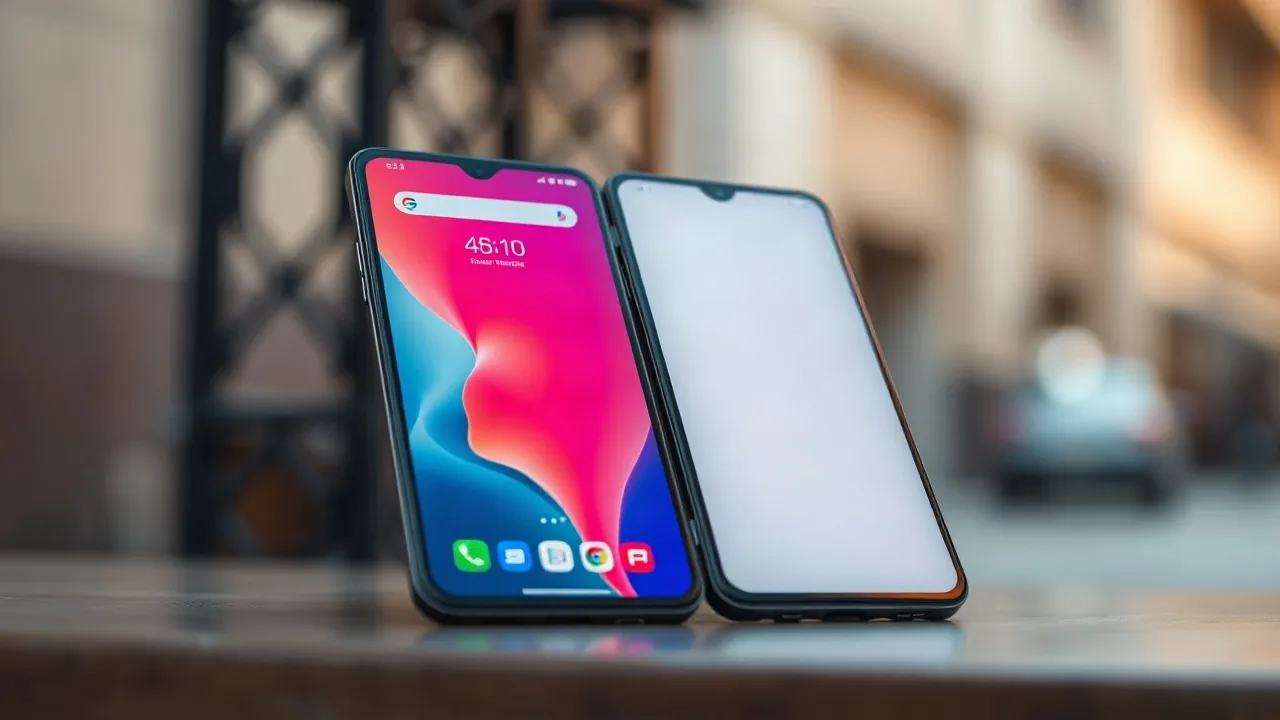
As speculation mounts regarding Apple's potential entry into the foldable smartphone market with the rumored iPhone Duo, consumers are increasingly looking at existing alternatives. While Apple's offering remains unconfirmed, the rapidly evolving landscape of foldable technology presents a compelling array of devices that cater to diverse user needs and preferences. These foldable phones, from various manufacturers, showcase advancements in screen durability, hinge mechanisms, and overall user experience, providing a glimpse into the future of mobile devices.
The concept of a foldable smartphone, once a futuristic novelty, has matured into a viable market segment. Manufacturers have invested heavily in research and development, leading to devices that are not only functional but also stylish and robust. This progress has made foldable phones a serious consideration for consumers seeking innovation beyond traditional smartphone designs. The competition is fierce, with each brand striving to differentiate its product through unique features and competitive pricing.
One significant development in this space is the continuous improvement of the folding mechanism itself. Early foldable phones faced challenges with durability and the crease in the middle of the screen. However, newer models feature more sophisticated hinge designs that are smoother, more durable, and less obtrusive. The screens are also becoming more resilient, utilizing advanced materials that can withstand repeated folding and unfolding.
Exploring the Foldable Landscape
Several manufacturers are pushing the boundaries of what's possible with foldable technology. Devices like Samsung's Galaxy Z Fold series and Z Flip series have set benchmarks for foldable innovation. The Z Fold offers a tablet-like experience when unfolded, making it ideal for productivity and multitasking, while the Z Flip provides a compact, pocket-friendly design that transforms into a larger screen for enhanced viewing.
Beyond Samsung, other players are making significant strides. Google's Pixel Fold, for instance, has been praised for its refined design and seamless integration with Google's software ecosystem. Motorola continues to evolve its Razr line, blending retro aesthetics with modern foldable technology. Chinese manufacturers like Huawei, Xiaomi, and Oppo also offer compelling foldable devices, often introducing unique features and competitive specifications that challenge the established market leaders.
These alternative foldable phones often come with a variety of advantages. Some offer larger external displays for easier one-handed use, while others boast more advanced camera systems. The variety in price points also means that foldable technology is becoming accessible to a broader range of consumers. For instance, while premium models can be expensive, some manufacturers are introducing more budget-friendly foldable options, making the technology more attainable.
The appeal of these devices extends beyond their unique form factor. Many foldable phones offer dual-screen functionality, allowing users to multitask more effectively or enjoy immersive entertainment experiences. The ability to switch between a compact mode and a larger screen mode provides unparalleled versatility, adapting to different usage scenarios throughout the day. Whether it's for work, gaming, or simply browsing, foldable phones offer a dynamic user experience.
As the market matures, consumers have a wealth of options to consider. The anticipated entry of Apple, potentially with an iPhone Duo, further validates the growing demand for foldable devices. However, the existing offerings from companies like Samsung, Google, and others provide consumers with tried-and-tested foldable experiences right now. These devices represent not just a new form of smartphone, but a significant step forward in mobile computing, promising greater flexibility and innovative functionalities for users in 2026.