
Galaxy S27 Ultra: Leaks Reveal Thicker Camera Housing, Slimmer Display Edges
New leaks suggest the upcoming Samsung Galaxy S27 Ultra will feature a more pronounced camera bump and subtly reduced display bezels compared to its predecessor. These design tweaks aim to accommodate advanced camera technology.

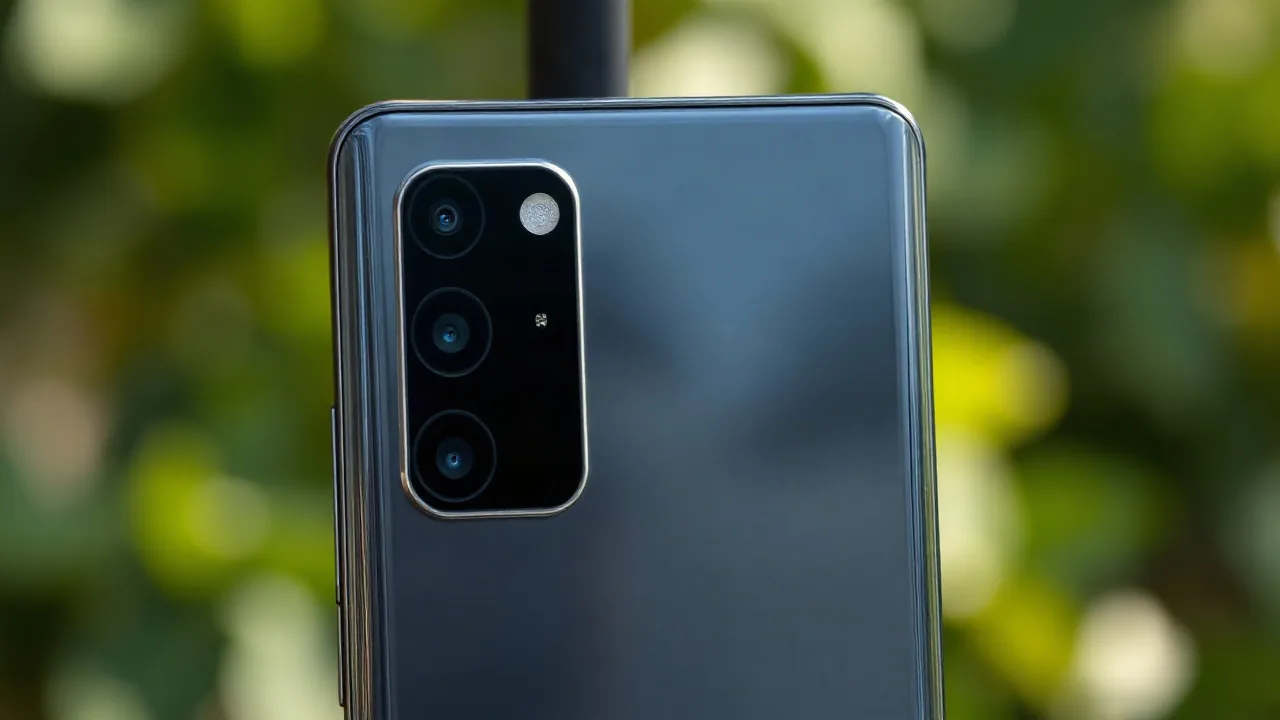
Renders and leaked specifications indicate that the highly anticipated Samsung Galaxy S27 Ultra will sport a noticeably thicker camera housing and slightly thinner display bezels. These design modifications are reportedly aimed at accommodating an advanced new camera sensor and improved internal components, signaling Samsung's continued focus on camera innovation for its flagship smartphone line.
The leaked details, which emerged from analysis of CAD files and industry sources, suggest a departure from the sleeker profile of previous models. While the exact dimensions are yet to be confirmed, the increased thickness of the camera module is expected to house a larger, more powerful sensor, potentially offering enhanced optical zoom capabilities or superior low-light performance. This move reflects a broader trend in the smartphone industry to prioritize photographic hardware, even at the expense of a slightly bulkier design.
Design Evolution and User Experience
Beyond the camera bump, the report highlights a reduction in the display bezels, which could lead to a more immersive viewing experience for users. This subtle refinement aims to maximize the screen-to-body ratio, providing a larger display area within a similar overall footprint. Industry analysts suggest that Samsung is balancing the pursuit of cutting-edge camera technology with user feedback on display aesthetics and usability.
Concerns regarding potential thermal issues with Qualcomm's latest Snapdragon 8 Elite Extreme Gen 6 processor have also surfaced. Some reports suggest that persistent overheating problems discovered during internal testing could compel Samsung to reconsider its chip supplier for the Galaxy S27 Ultra, potentially opting for its in-house Exynos processors. This would represent a significant shift, as Samsung has increasingly relied on Qualcomm for its premium devices in recent years. The performance and efficiency of the chosen chipset are critical for the overall user experience, especially for demanding applications and gaming.
The potential reliance on Exynos chips, should Qualcomm's issues persist, could also impact the global availability and performance variations of the S27 Ultra across different regions. Historically, Samsung has sometimes differentiated its flagship devices based on the processor used, leading to debates among consumers about regional performance differences.
Samsung has not yet officially commented on these design leaks or potential processor choices. However, the consistent flow of information from reputable leakers and tech publications suggests that these details offer a strong preview of what consumers can expect. The Galaxy S27 Ultra is anticipated to launch in early 2026, following Samsung's typical release cycle for its premium Galaxy S series.
The strategic decisions surrounding the camera hardware and processor will undoubtedly shape the competitive landscape of the high-end smartphone market. As devices become more powerful and feature-rich, manufacturers face the ongoing challenge of balancing innovation with practical design considerations and reliable performance. The Galaxy S27 Ultra appears to be a prime example of these complex trade-offs.