
Googlebook Review: Android Ecosystem Seamless on New Laptops
Google's new Googlebook aims to merge the familiar Android experience with the versatility of a laptop. Early reviews suggest a strong integration of apps but question its long-term appeal against established PC operating systems.

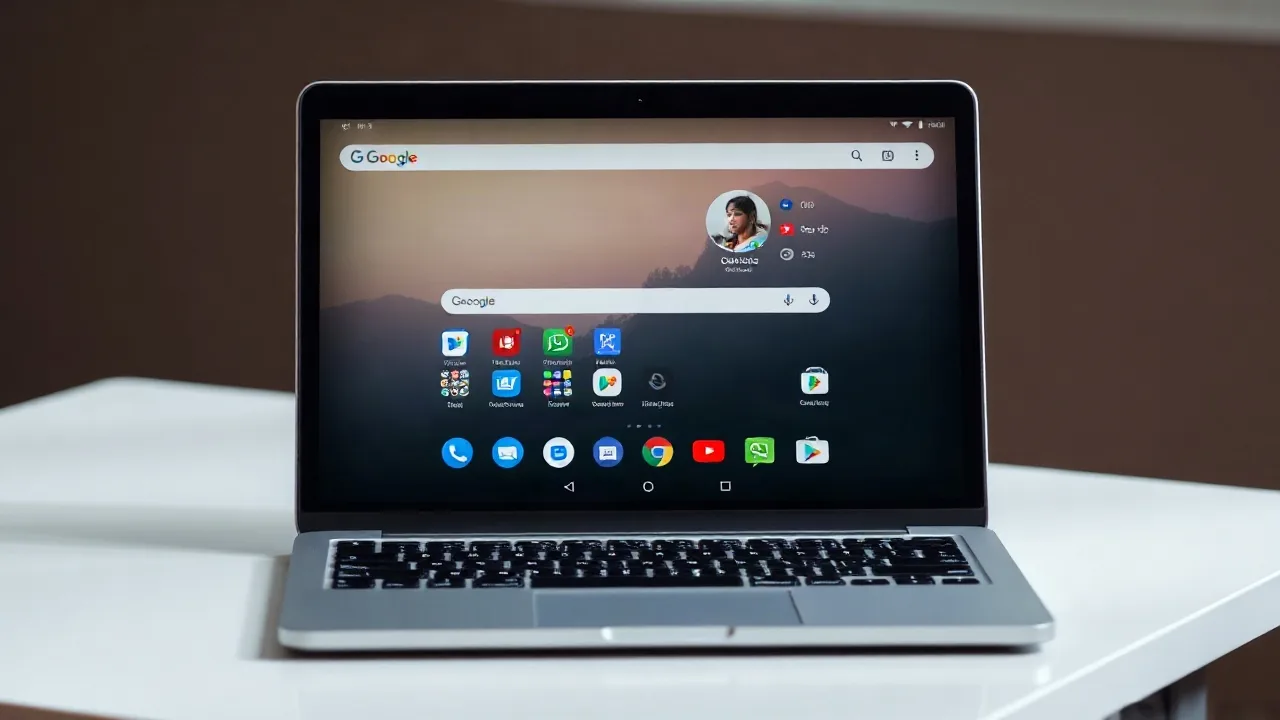
Google has introduced its latest attempt to bridge the gap between mobile and desktop computing with the new Googlebook, a device designed to offer a full Android experience on a laptop form factor. Unveiled earlier this month, the Googlebook promises to bring the vast ecosystem of Android applications and services to a larger screen and keyboard-driven interface, aiming to provide a unique computing option for users who are deeply embedded in Google's mobile world.
Early assessments highlight the seamless integration of the Android operating system, allowing users to run their favorite mobile apps without modification. This could be a significant draw for developers and consumers alike, offering a consistent experience across devices. However, reviewers note that while running Android on a laptop is technically proficient, it doesn't fundamentally alter the nature of the operating system itself, presenting both the strengths and limitations of Android in a new context.
Beyond Mobile Apps: Productivity and Performance
The Googlebook isn't just about running phone apps; it's engineered to function as a capable laptop for everyday tasks. With the inclusion of Google's AI-powered features, the device aims to enhance productivity. These AI enhancements are touted to assist with writing, research, and task management, potentially setting it apart from standard Chromebooks or even some Windows machines. Despite these advancements, the core question remains whether this hybrid approach offers a compelling enough advantage to sway users away from more traditional laptop operating systems like Windows or macOS.
The challenge for Googlebook lies in defining its niche. While it excels at offering mobile app continuity, its performance and feature set must compete directly with established players. Industry analysts suggest that success will depend on Google's ability to continuously update and refine the platform, ensuring that the integration of Android and laptop functionalities evolves beyond a novelty. The device offers a glimpse into a future where operating systems are more fluid and adaptable, but for now, it remains a specialized tool.
The device boasts a refined user interface that adapts intelligently to the larger screen, presenting a more desktop-like layout when needed. This thoughtful design aims to mitigate common criticisms of running mobile OSes on larger hardware. Google's strategy appears to be a long-term play, betting on the ubiquity of Android and the increasing demand for seamless cross-device experiences. However, early reviews indicate that the 2026 model, while promising, still has room to grow to truly challenge the dominance of PCs in professional and intensive computing environments.