
Google's AI Glasses: Hands-On With Prototype Smart Eyewear
Google offered a hands-on look at its prototype AI-powered smart glasses, featuring an in-lens display and Gemini integration. The technology promises real-world information overlays and AI assistance.

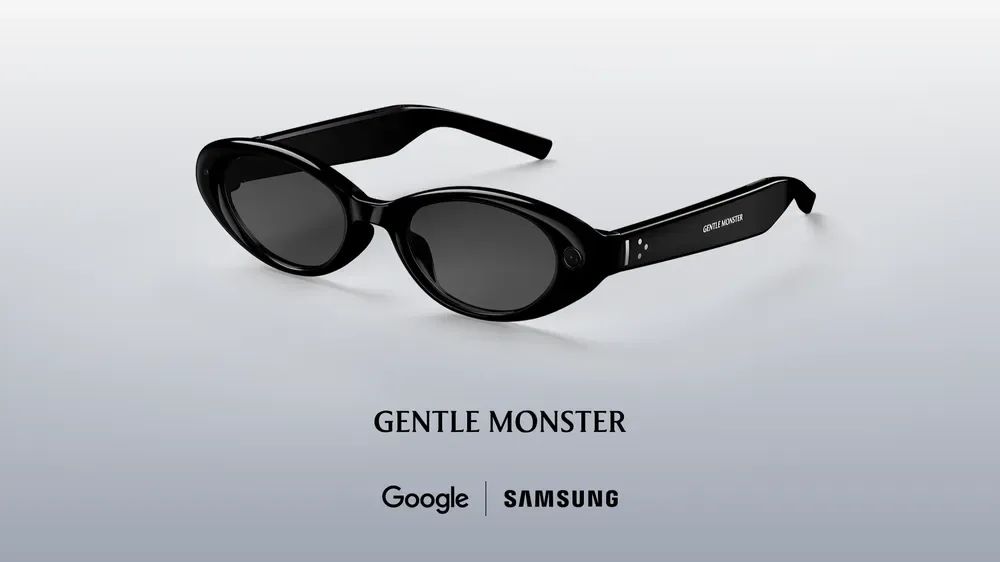
Google gave attendees at its recent I/O developer conference a rare opportunity to test a prototype of its upcoming AI-powered glasses. These Android XR glasses, distinct from the audio-only versions shipping this fall, project helpful information directly into the wearer's field of vision via an in-lens display. The technology aims to overlay widgets such as weather updates, navigation, live translation, and even custom AI-generated information onto the real world.
These future smart glasses will support pairing with both iOS and Android smartphones. The initial audio-only models are slated for release in the fall of 2026, with the more advanced display version expected later. Google collaborated with eyewear brands like Warby Parker, Gentle Monster, and Samsung to integrate its technology with stylish designs. The prototype glasses tested, while functional, were primarily for experimenting with display technology and battery life, with less emphasis on final aesthetics like fit and shape compared to future commercial releases.
During the demonstration, activating the Gemini AI assistant involved a two-second press on the right side of the glasses' frame, accompanied by a startup chime. The prototype's camera activated concurrently with Gemini, though users will have the option to configure this behavior in the shipping version. In one test, the glasses played music upon request. However, the noisy environment made sound quality difficult to assess, with the maximum volume still being relatively hard to hear clearly. While not a replacement for high-fidelity earbuds, the glasses could serve for casual music listening during outdoor activities or chores, offering the advantage of keeping the wearer more aware of their surroundings compared to traditional earbuds.
A single tap on the frame's side near the temple could turn off music playback. The prototype also featured a button for capturing photos, with images being transferred to a paired phone. While video capture and longer press functions were not available on the prototype, future versions will likely offer these capabilities. Users can also prompt Gemini to take photos and apply AI-driven edits, such as transforming a person into an anime character. This process, involving data transfer to servers and back, took approximately 45 seconds in a heavily loaded Wi-Fi environment at the event.
Context and Future Potential
When the display is active, a simple home screen appears in the wearer's view, featuring preloaded widgets like weather forecasts and event countdowns. The platform supports customizable app launchers for frequently used applications like Google Maps and Translate. The prototype had a single display over the right eye, but the underlying technology can accommodate both single and dual displays, as well as audio-only configurations.
Initial impressions of the display clarity were slightly affected by the reviewer's prescription contact lenses, but adjusting vision suggested potential for clear visuals. However, some eye strain was noted, raising questions about long-term comfort and the impact of prescription eyewear. One of the standout features demonstrated was real-time language translation. A speaker conversing rapidly in Spanish had their speech instantly transcribed in English on the glasses' display, while Gemini simultaneously provided audio translation in English. This functionality is expected to be a significant draw for international travelers.
The glasses can also be used for navigation, interfacing with Google Maps on a paired phone. Users can request directions to destinations, even vague ones like 'the nearest coffee shop.' The glasses then display turn-by-turn directions that adapt as the user looks forward or down. Saved locations like 'home' and 'work' are accessible, leveraging existing Google Maps data. Object identification was another capability tested; while the prototype initially struggled with identifying a painting, it eventually recognized it after closer focus. The glasses also successfully identified a plant and provided recipe suggestions from a book, showcasing AI integration that bypasses the need to pull out a phone.
Google plans to share more details about its Android XR display glasses later in 2026 as it expands its trusted tester program. The company's strategy of first releasing audio-only glasses acknowledges potential user needs while allowing more time to refine the display technology, positioning it to compete with offerings from Meta and Snap. The audio glasses also provide access to Gemini AI, enabling features like music playback, photo taking, and phone app integration through frame speakers.