
Google Pixel 11 Enhances Device Search with Unified 'Pixel Search' Feature
The new Google Pixel 11 phones are set to streamline on-device information retrieval with 'Pixel search.' This unified search companion consolidates access to apps, files, and personal data from a single interface.

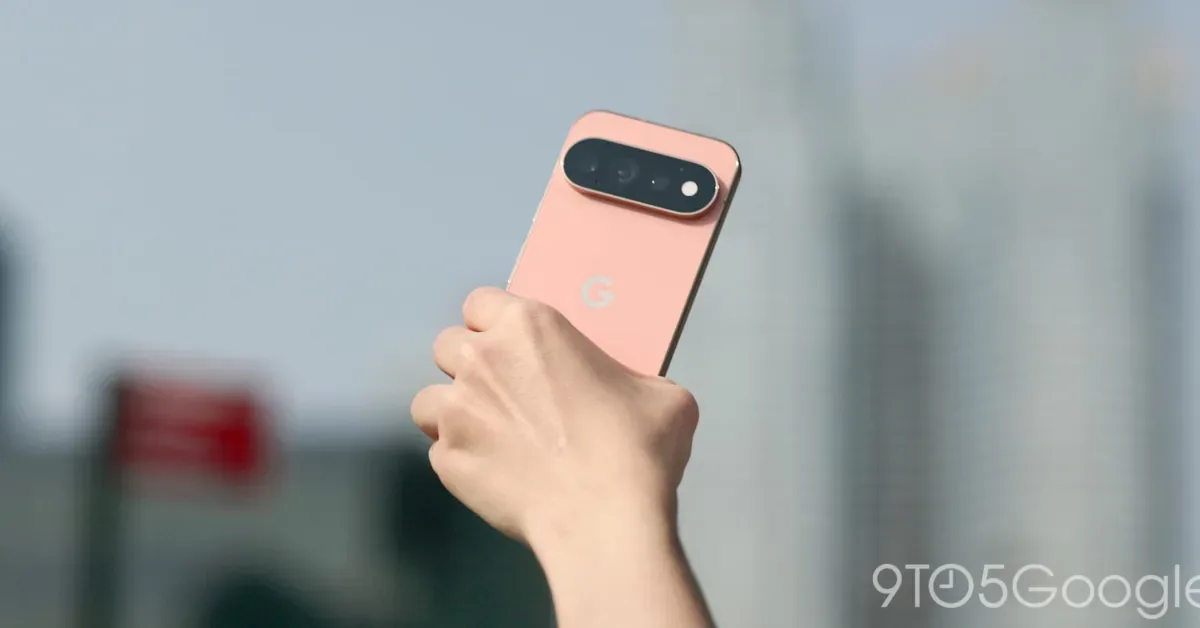
Google is rolling out a significant enhancement to its Pixel smartphones with the introduction of 'Pixel search' on the upcoming Pixel 11 models. This dedicated search companion is designed to help users locate personal information across their device with unprecedented speed. Whether searching for a specific application, a document stored in Google Drive, or a cherished photo, core device data will now be accessible through a single, unified search bar.
While Google describes a "single search bar," this functionality is not integrated into the primary home screen search widget. Instead, it is accessed by opening the Pixel Launcher app grid. Previously, the Pixel Launcher's search capabilities extended to applications like Clock, Contacts, Pixel Tips, Play Store, Settings, and Wallet. With the Pixel 11, this integrated list has been substantially expanded to encompass Calendar events, documents within Drive, Gmail correspondence, Photos, and messages from the Google Messages app, as well as screenshots taken on the device.
Users managing multiple accounts will appreciate the ability to designate specific email addresses for services like Google Drive and Gmail, ensuring search results are precisely tailored. Upon entering a search term, users will see a comprehensive array of results, including upcoming Calendar events, relevant documents, emails, a curated selection of photos, and chats from Google Messages. This information populates rapidly, typically within a second.
Enhanced Accessibility and User Experience
Beyond finding specific content, the Pixel 11's enhanced search also offers quicker access to applications and their associated shortcuts, which are now presented more prominently. Support for work profiles is also included, ensuring a seamless experience for users who leverage their devices for both personal and professional tasks. This unified search experience represents a notable improvement in on-device data management. However, its placement within the Pixel Launcher, rather than as a primary home screen feature, may limit its immediate utility for some users. This change follows Google's integration of its AI Mode into the home screen search bar in December, a move that some found to be less intuitive for device-specific searches.
Google's apparent goal is to standardize the search bar experience across all Android devices. However, this universal approach, while aiming for consistency, has inadvertently diminished the convenience of device-specific search functions on Pixel devices for users accustomed to more direct access. The necessity of navigating through the app grid to access this robust search feature has reportedly reduced its usage for some individuals in recent weeks. A potential workaround involves configuring the Pixel Launcher search to automatically activate the keyboard when swiping up from the home screen, thereby reducing the steps required to initiate a query.
The expanded capabilities of Pixel search on the Pixel 11 underscore Google's ongoing efforts to integrate artificial intelligence and enhance user interaction with mobile devices. This focus on making personal data more accessible and searchable reflects a broader trend in the tech industry towards more intuitive and personalized user experiences. As users generate more data on their smartphones, efficient retrieval methods become increasingly critical. The success of this feature will ultimately depend on user adoption and how well it integrates into daily mobile workflows. The development of such features highlights the competitive landscape in the smartphone market, where incremental improvements in usability can significantly impact user satisfaction and brand loyalty.