
Google, Samsung Unveil Stylish Android XR Glasses with Gemini AI
Google and Samsung have previewed their first collaborative Android XR smart glasses, featuring multiple styles and powered by Gemini AI for hands-free assistance. A fall 2026 release is anticipated.

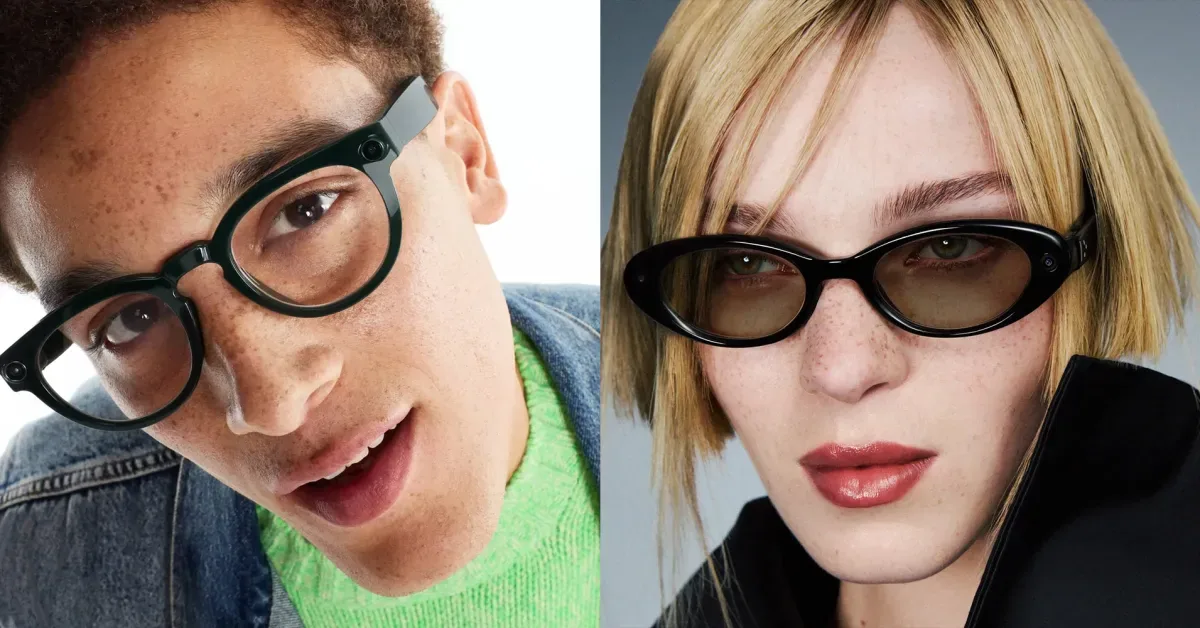
Google and Samsung officially unveiled the first joint Android XR smart glasses at Google I/O 2026, promising a blend of advanced AI features with diverse aesthetic designs. The new eyewear, set to launch in Fall 2026, aims to serve as an intelligent companion to smartphones, offering hands-free access to information and tasks through voice interaction powered by Google's Gemini AI.
The collaboration leverages partnerships with fashion brands to ensure the glasses are both technologically advanced and stylish. Gentle Monster is contributing to "disruptive yet refined aesthetics," while Warby Parker is behind "refined and timeless designs." This focus on style suggests a move towards making smart glasses more mainstream, appealing to a broader consumer base beyond early adopters. Samsung highlighted in a press release that the glasses are built to understand the user's environment in real-time, providing everyday support.
Smart Features and Gemini AI Integration
The core functionality of the Android XR glasses revolves around seamless integration with Gemini AI. Users will be able to access a range of features simply by speaking commands. This includes receiving navigation assistance, ordering food for pickup, and getting summarized notifications for important text messages. The glasses can also help users add events to their calendars and provide real-time language translation, with audio outputs designed to match the speaker's voice. A particularly innovative feature demonstrated is the ability to translate text seen through the glasses, such as on menus or signs, directly in the user's line of sight.
Samsung emphasized that the device works "seamlessly within the Galaxy ecosystem," allowing users to manage daily tasks or capture photos without needing to pull out their phones. This deep integration points towards a strategy to enhance the utility of existing smartphone ecosystems by extending their capabilities into wearable form factors. The aim is to keep users "hands-free and heads-up," minimizing distractions and keeping them engaged with their surroundings.
While specific pricing and details regarding whether the glasses will include a display were not disclosed during the preview, the companies confirmed that multiple style options will be available. Two distinct styles were showcased on stage, with a wider range of "first collections" slated for release later this year. A previously leaked design also suggests even more variations are in the pipeline, indicating a significant push for variety in form factor to cater to different tastes.
The anticipated Fall 2026 release timeline was announced by Samsung, with further details expected in the coming months. Speculation suggests that more information might emerge around the launch of the Galaxy Fold 8 in July, though a release accompanying the new foldables seems unlikely. This launch marks a significant step for both Google and Samsung in the competitive augmented reality and smart glasses market, aiming to define the future of wearable technology.