
Google TV Streamer Price Jumps to $150 After 50% Increase
Google has doubled the price of its TV Streamer, raising it from $100 to $150. The company did not announce the price hike or its reasoning, though rising component costs are a likely factor.

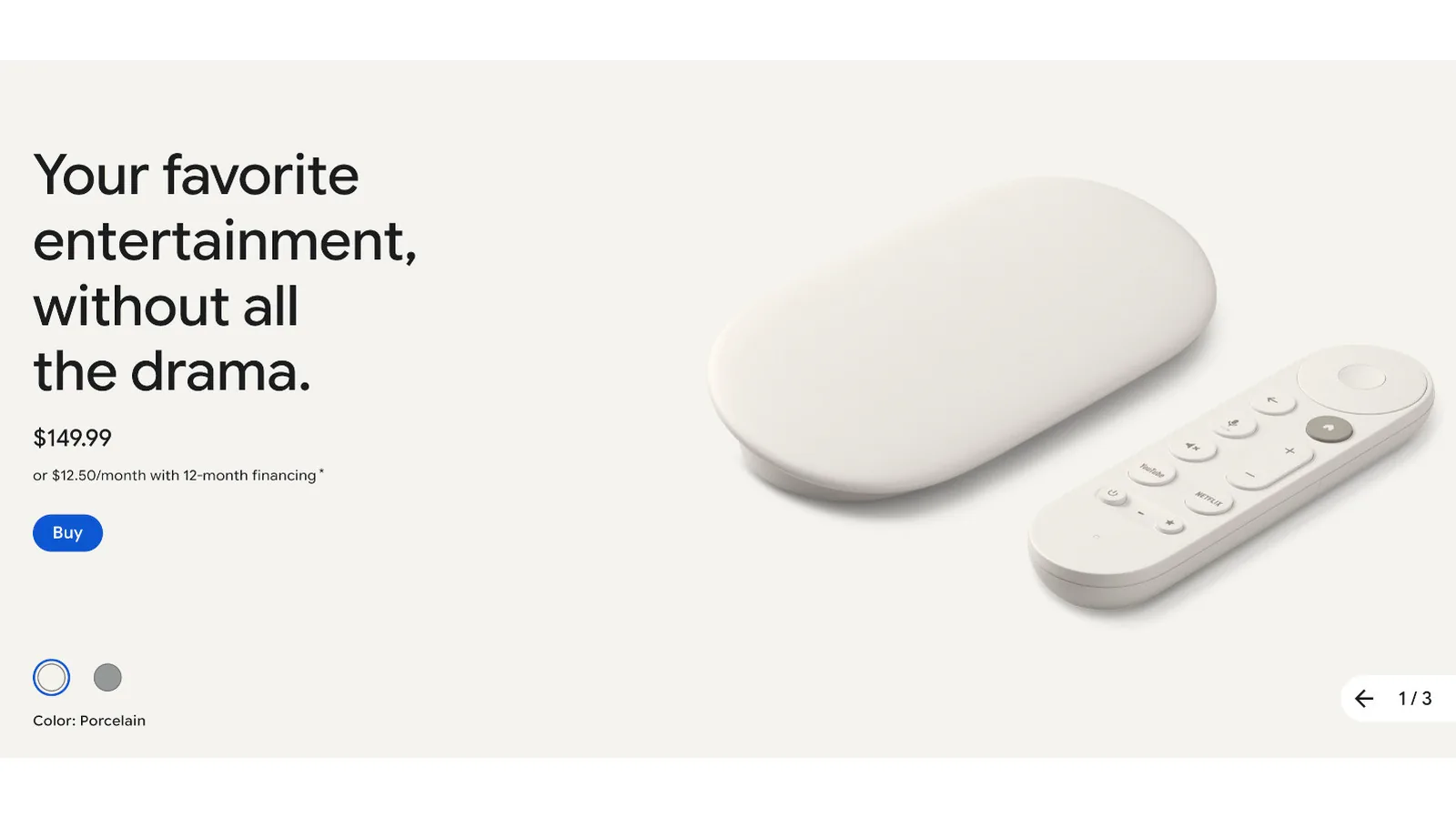
Google has significantly increased the price of its Google TV Streamer, with the device now retailing for $150. This marks a 50 percent jump from its original launch price of $100. The change was quietly implemented on Google's online store and through retailers such as Best Buy, as first noted by 9to5Google. The Google TV Streamer, which replaced the Chromecast in 2024, was already considered a premium option at its initial $100 price point, costing twice as much as the 4K Chromecast at the time of its release.
The device has received praise for its performance, earning Engadget's designation as the best all-in-one streaming device for 2026. Key features include 32GB of storage, 4GB of memory, and support for 4K resolution at 60 frames per second. It also boasts extensive HDR support, including HDR10, HDR10+, and Dolby Vision, alongside Dolby Digital and Dolby Atmos. For an enhanced audio experience, it offers spatial audio capabilities when paired with Pixel Buds Pro.
Rising Component Costs Influence Pricing
Google has not publicly announced the price increase or provided an official reason for the adjustment. However, this move aligns with a broader trend of rising prices across various consumer electronics. Industry analysts suggest that the escalating cost of components, particularly RAM, is a significant contributing factor. The global demand for RAM has surged, driven in part by the extensive needs of AI companies, which are reportedly acquiring a substantial portion of the world's supply. This intense demand can limit the availability of hardware for other manufacturers, leading to increased production costs that are subsequently passed on to consumers.
This price hike for the Google TV Streamer places it in a more competitive segment of the streaming device market. Consumers now face a higher barrier to entry for a device that offers advanced features. The strategic decision by Google to absorb these rising costs internally or pass them on reflects a careful calculation amidst supply chain challenges and evolving market demands.
The implications of this price adjustment extend beyond just the immediate cost to consumers. It may also influence market competition, potentially encouraging rival manufacturers to adjust their own pricing strategies or highlight more budget-friendly alternatives. As the tech landscape continues to evolve, the balance between advanced features, performance, and affordability remains a critical consideration for both product development and consumer purchasing decisions. The streaming device market is dynamic, and such price shifts can signal broader economic forces at play within the technology sector.