
Google TV's Low-Cost Hardware Strategy Falters as Walmart Sells Out
Google's reliance on Walmart for affordable Google TV streaming devices has hit a snag. Walmart's Onn-branded players are increasingly out of stock and seeing price hikes, leaving Google without a competitive low-cost hardware option.

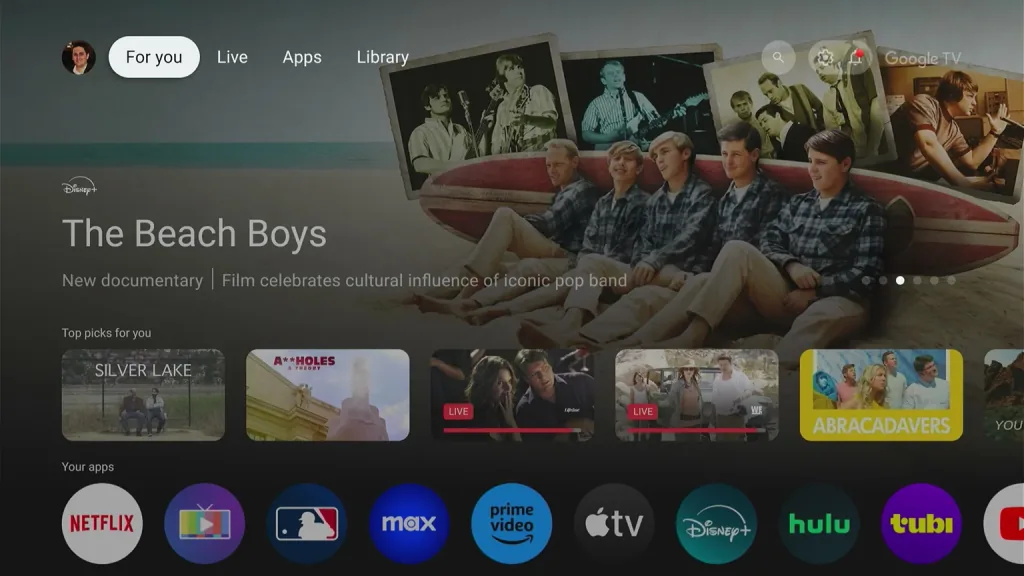
Google's strategy of outsourcing affordable Google TV streaming hardware to Walmart has hit a significant roadblock, with Walmart's popular Onn-branded devices becoming scarce and more expensive. This leaves Google without a direct, low-cost competitor to Amazon's Fire TV Stick and Roku's Streaming Stick in a crucial segment of the market.
Walmart's latest Onn 4K Streaming Device has seen fluctuating prices, ranging from $20 to $40 in physical stores, while the online price stands at $40 – double the cost of its HD counterpart. Furthermore, the Onn 4K Plus, previously recommended for its value, now costs $40, up from $30, and is frequently out of stock. Even a higher-end successor to the Onn 4K Pro is now priced at $60, $10 more than its predecessor, and is also unavailable.
Supply Chain Woes and Shifting Priorities
While Walmart has not commented on the stock issues, potential reasons include industry-wide RAM shortages affecting other electronics vendors. Another factor could be Walmart's evolving business strategy, especially after its acquisition of Vizio, which has its own connected TV platform. This may reduce the perceived priority of supporting Google's platform.
Google itself exited the sub-$50 streaming device market after discontinuing its Chromecast line. The company previously offered the $35 Chromecast, which relied on a smartphone for remote functions. In 2020, the $50 Chromecast with Google TV introduced a dedicated remote and a TV-based interface to better compete with rivals. However, the emergence of Walmart's even cheaper Onn devices, running on Android TV and later Google TV software for as little as $15, made Google's own hardware less appealing. This led Google to discontinue its own affordable dongles and focus on higher-end devices.
Shalini Govil-Pai, VP and GM for Google TV, previously indicated that Walmart's devices filled the gap for affordable alternatives. "We work very closely with Walmart as well, and so Walmart now has their own devices," she stated. "They’re very good, and they’re able to discount them to everyday low prices." However, with Walmart now struggling to supply these very devices, Google may be reconsidering this outsourced approach.
External streaming devices remain vital for consumers. They offer a cost-effective way to upgrade older smart TVs with outdated software or to enhance the functionality of newer sets. These devices often provide superior performance, better remote controls, and access to features not available on built-in smart TV platforms. The Google TV interface, in particular, is praised for its ability to surface recommendations across paid services and allow users to filter out unwanted content. Its integration with other Google services, like Google Home and Google Photos, is another advantage. In contrast to Amazon's increasingly restrictive Fire TV platform, Google TV offers a more open environment for applications and even allows users to replace the entire home screen.
The current situation highlights a potential strategic misstep for Google. By ceding the low-cost hardware segment entirely to a retail partner, Google may have underestimated the importance of maintaining direct control over its entry-level product offerings. As Walmart faces difficulties keeping these essential devices in stock, Google is learning the hard way that a robust and accessible hardware ecosystem is critical for its streaming platform's long-term success.