
Heart Health Monitoring with Wearable Gadgets in 2026
Advanced wearables now detect irregular heartbeats, blood pressure trends, and cardiac stress in real time. Doctors and patients are adopting these devices to catch heart problems earlier than ever before.

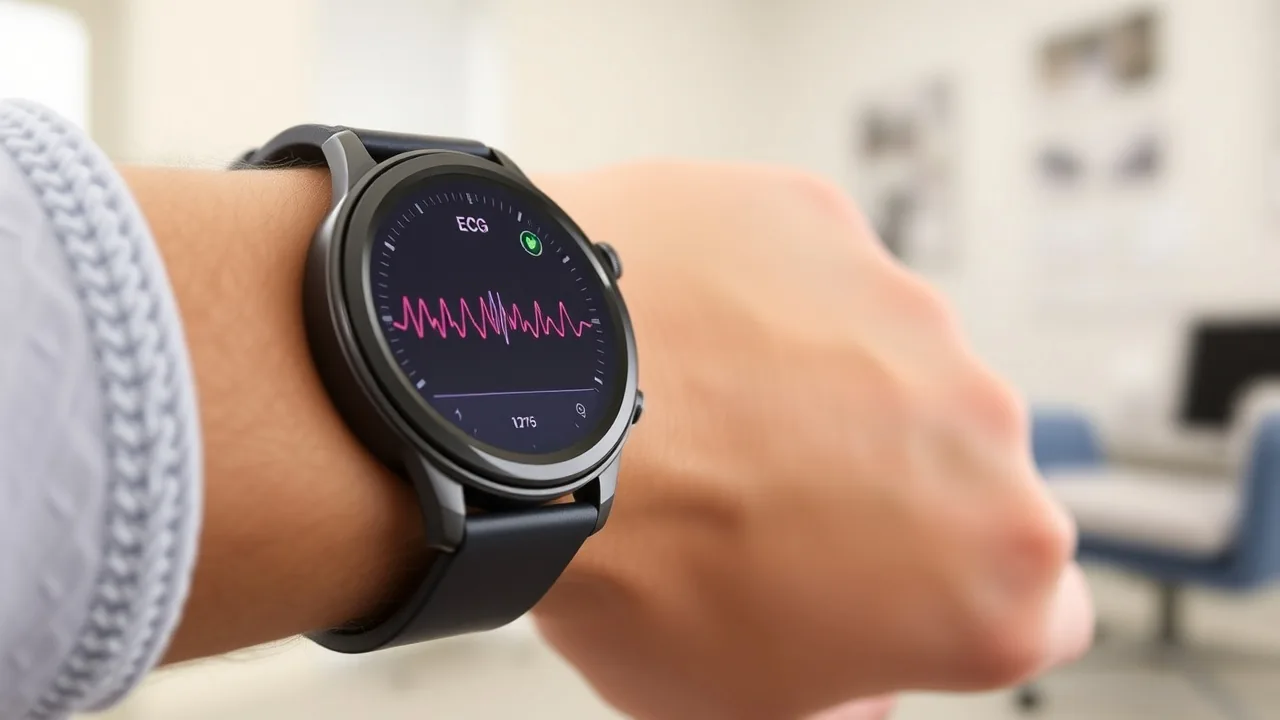
Cardiologist Dr. Sarah Mitchell at Boston Medical Center fitted her 58-year-old patient with a new generation smartwatch in late June 2026, and within 48 hours it flagged an atrial fibrillation episode that standard office tests had missed. The device sent an alert directly to both the patient's phone and Dr. Mitchell's secure portal, allowing immediate intervention. This scenario is no longer exceptional. In 2026, heart health monitoring has shifted from annual checkups to continuous, algorithmic surveillance on the wrist.
The wearables market has matured dramatically. Modern smartwatches and fitness trackers now integrate multi-lead electrocardiogram (ECG) sensors, optical heart rate variability analysis, and machine learning models trained on millions of cardiology datasets. Apple Watch Series 11, Garmin Epix Gen 3, Samsung Galaxy Watch Ultra 2, and newer entrants like the Withings ScanWatch Pro have moved beyond step counting into clinical-grade diagnostics.
"The barrier between consumer gadgets and medical devices is dissolving," says James Chen, senior analyst at Wearable Research Group. "What you can buy at Best Buy in 2026 rivals equipment doctors used exclusively five years ago."
Real-Time Cardiac Data Collection
Current health monitoring wearables capture multiple cardiac parameters simultaneously. Users no longer passively track heart rate; they actively measure:
- Continuous ECG with AI-driven arrhythmia detection
- Blood oxygen saturation (SpO2) and respiratory rate variability
- Skin temperature trends indicating infection or systemic stress
- Electrical skin conductance, a proxy for autonomic nervous system activity
- Stride asymmetry and gait analysis linked to cardiac compensation patterns
Garmin's new ConnectIQ Health Dashboard aggregates these signals into a daily "cardiac load" score that accounts for exercise, sleep debt, stress, and infection markers. Users can export this data in HL7 format, the medical industry standard, directly to their physician's EHR system.
Withings ScanWatch Pro added a feature this year that runs a 30-second ECG with every measurement, compared to the manual 30-second recording required on older smartwatches. The device now performs passive ECG three times daily without user initiation, making atrial fibrillation detection far less dependent on conscious effort.
Clinical Validation and Early Detection
The medical community's skepticism has largely evaporated. A peer-reviewed study published in Circulation in March 2026 followed 12,400 adults using modern wearable gadgets over six months. Researchers found that passive wearable monitoring detected new atrial fibrillation cases 36 days earlier than standard care, and flagged uncontrolled hypertension in 22 percent of participants previously classified as normotensive.
"Earlier detection translates directly to better outcomes," notes Dr. Mitchell. "A stroke prevention strategy that starts three weeks sooner can prevent one major adverse event per 200 patients treated. That's statistically and clinically significant."
Insurance companies are taking notice. UnitedHealthcare and Aetna now offer $100 to $300 annual subsidies for qualifying wearable devices if users agree to share de-identified health data. Mayo Clinic and Cleveland Clinic have integrated continuous wearable monitoring into heart failure and post-cardiac event follow-up protocols.
FDA approval for wearable-based cardiac monitoring has accelerated. Between January and June 2026, the agency cleared five new continuous ECG algorithms under the breakthrough device pathway, compared to two in all of 2025. Regulatory hurdles that once took 24 months now move in under 10 months for proven technologies.
Adoption and Practical Barriers
Consumer adoption has reached 34 percent of US adults owning at least one cardiac monitoring wearable, up from 18 percent at the start of 2025. However, disparities remain. Low-income and rural populations lag significantly. Device cost, ranging from $200 for basic fitness trackers to $800 for medical-grade smartwatches, creates access inequality.
Battery life remains a practical constraint. Most devices require charging every 2 to 7 days; continuous monitoring gaps occur during overnight charging in many cases. Garmin's newest Epix extends battery to 16 days with daily ECG recording, and Withings claims 30-day endurance, but these represent the high end of the market.
Data privacy concerns persist. A survey by the American Heart Association in April 2026 found that 41 percent of wearable users worry about cardiac data sharing with third parties, insurance companies, or employers. Regulations remain fragmented. California's Medical Device Data Transparency Law mandates user consent for commercial data use, but federal standards remain absent.
Integration with existing healthcare systems varies. Many independent practices still lack the infrastructure to ingest continuous wearable data into legacy EHR platforms. Large health systems move faster; Mayo Clinic's wearable integration program now includes over 900 outpatient clinicians.
The 2026 landscape reflects a genuine inflection point. 2026 tech in tech gear for cardiac monitoring is no longer a novelty or a gadget hobbyist's toy. It is a legitimate clinical tool that catches disease earlier, fits naturally into daily life, and is beginning to reshape how millions of Americans think about their hearts. The next phase will be widening access, standardizing data protocols, and building trust in a system where your wrist knows your heart better than you do.