
Salmonella Outbreak Linked to Eggs: What Consumers Must Know
A significant salmonella outbreak tied to contaminated eggs has prompted recalls across multiple states in 2026. Health officials urge consumers to follow strict food safety practices and watch for infection symptoms.

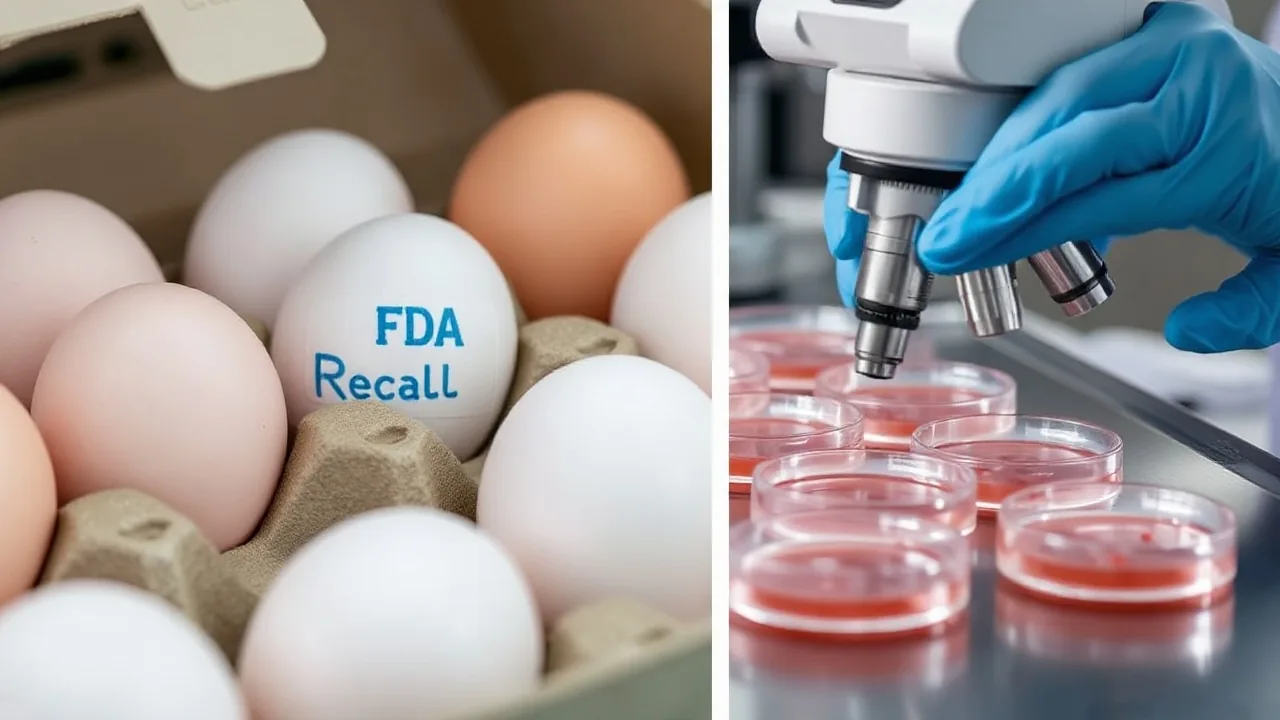
The U.S. Food and Drug Administration confirmed a multi-state salmonella outbreak linked to contaminated eggs in early August 2026, affecting consumers across at least seven states including California, Texas, and Florida. The outbreak has resulted in over 300 confirmed cases and prompted the voluntary recall of approximately 2.2 million eggs from a major supplier.
Public health investigators traced the contamination to facilities operated by Sunrise Egg Company, based in Petaluma, California. The company issued a statement on August 4 acknowledging the recall and pledging full cooperation with federal authorities. "We are deeply concerned about this situation and are working around the clock to identify and remediate any potential sources of contamination," the statement read.
Salmonella bacteria can contaminate eggs during production if infected hens shed the pathogen into the ovaries, or if bacteria enter through porous eggshells after laying. The outbreak strain, identified as Salmonella enteritidis, is particularly virulent and has been linked to severe illness in vulnerable populations.
Symptoms and Health Risks
Infection typically develops within 6 to 72 hours after consuming contaminated food. The CDC reports that symptoms include diarrhea, fever, abdominal cramps, and sometimes vomiting. Most healthy individuals recover without medical intervention within a week.
However, certain groups face elevated risk of severe complications. Infants, young children, elderly adults, and immunocompromised individuals may experience prolonged illness, bloodstream infection, or life-threatening complications. The CDC documented 47 hospitalizations linked to this outbreak strain as of August 5, 2026.
Dr. Rachel Chen, epidemiologist at the Centers for Disease Control and Prevention, emphasized the importance of early recognition: "We encourage anyone who has consumed eggs from the recalled batches and developed gastrointestinal symptoms to contact their healthcare provider immediately. Early identification helps us track the outbreak and protect others."
Essential Food Safety Measures and Recalls
The FDA has published a searchable database of recalled egg products on its website, updated daily. Consumers should check product batch codes and store names against the official recall list. Affected eggs carry Julian dates 213 through 229 of 2026, printed on the carton.
To reduce risk when preparing eggs, the FDA recommends the following food safety practices:
- Cook eggs until both the yolk and white are completely firm; avoid runny or soft-cooked preparations
- Maintain separate cutting boards, utensils, and preparation surfaces for raw eggs and ready-to-eat foods
- Wash hands, utensils, and surfaces with hot soapy water immediately after handling raw eggs
- Refrigerate eggs at 40 degrees Fahrenheit or below at all times
- Consume leftover egg dishes within 3 to 4 days
Products made with pasteurized eggs carry virtually no risk of salmonella transmission. These include commercially prepared mayonnaise, hollandaise sauce, and Caesar dressing. Consumers who prefer to use raw eggs in homemade preparations should source pasteurized eggs specifically labeled as such.
Broader Implications for Public Health and Industry
This outbreak underscores persistent vulnerabilities in the egg supply chain despite decades of regulatory oversight. The FDA implemented strict egg recall protocols in 2010 following a prior major outbreak, requiring producers to conduct salmonella testing and maintain detailed distribution records.
Industry analysts note that enforcement varies significantly by facility size and resources. Smaller producers sometimes operate with minimal oversight, while large commercial operations benefit from advanced environmental monitoring and hygiene protocols. The Sunrise Egg Company facility involved in the 2026 outbreak had passed a routine FDA inspection in March 2026 with no violations cited.
State and federal authorities are now conducting a comprehensive investigation of the facility's water systems, feed sources, and flock health records. Results are expected within two weeks. The outbreak has prompted calls from consumer advocacy groups for increased frequency of facility inspections and mandatory installation of enhanced pathogen detection systems.
The public health community is also reviewing whether current guidelines adequately address the risk of contamination during shell formation. Researchers at UC Davis are examining whether supplemental probiotics in hen feed could reduce intestinal shedding of salmonella, a potential long-term prevention strategy.
As of August 6, 2026, no additional outbreaks from other producers have been confirmed. The FDA continues to advise consumers to monitor official channels for updates and to report suspected illnesses through their healthcare providers or local health departments. Retailers have removed recalled products from shelves, and the company has suspended operations at the affected facility pending remediation and re-inspection.