
IFA 2026 Smart Home Gadgets Define the Future of Connected Living
Berlin's IFA 2026 unveiled breakthrough smart home devices that reshape how Americans live. From AI-powered hubs to energy-efficient sensors, the latest innovations signal a shift toward truly integrated homes.

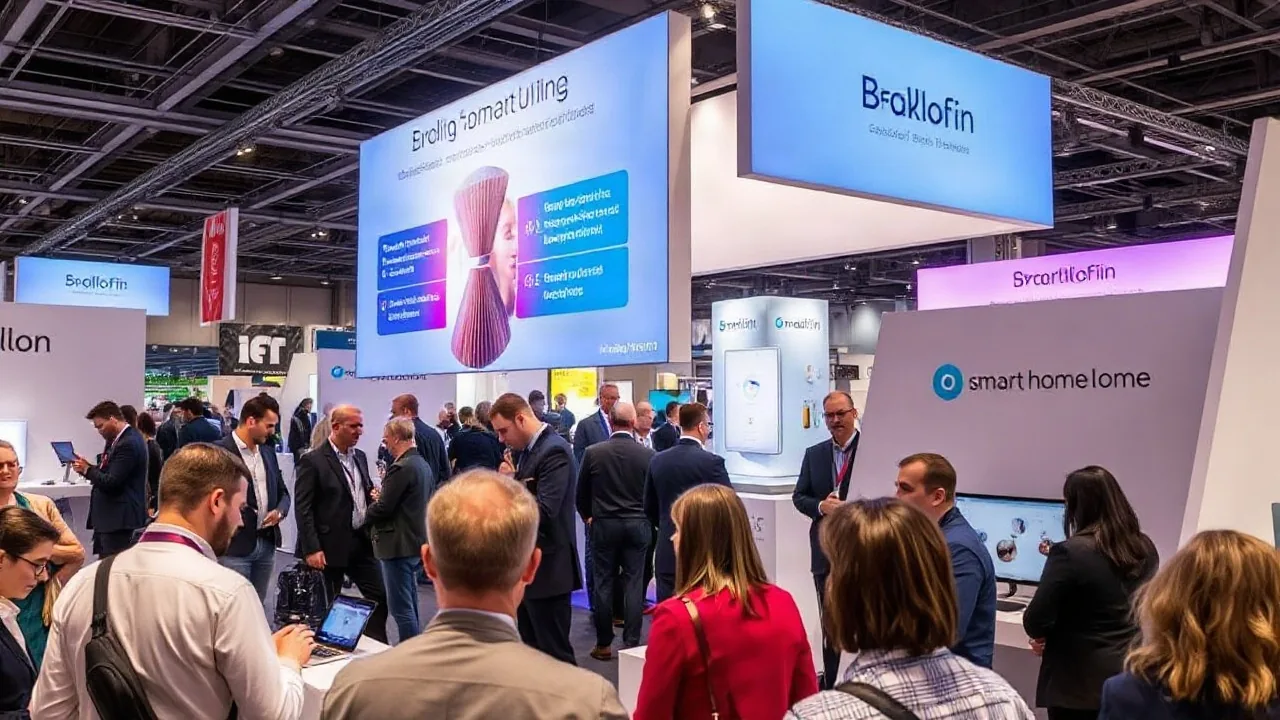
Thousands of tech enthusiasts and industry professionals descended on Berlin in early September 2026 for IFA, the world's largest consumer electronics show, where manufacturers unveiled a generation of smart home gadgets designed to transform American households. The sprawling convention center featured over 1,500 exhibitors displaying connected devices that promise seamless integration, advanced AI capabilities, and unprecedented energy efficiency.
This year's showcase highlighted a fundamental shift in how manufacturers approach home automation. Rather than selling isolated products, companies are now bundling smart home ecosystems that work across multiple brands and platforms. Samsung, Siemens, LG Electronics, and emerging Chinese manufacturers like Xiaomi and TP-Link all emphasized interoperability as a core selling point.
"We're moving beyond the era of proprietary ecosystems," said Dr. Elena Rodriguez, senior analyst at Berlin-based research firm IDC Europe, during the opening keynote. "IFA 2026 demonstrates that the future of home tech depends on devices that speak the same language, regardless of manufacturer."
Breakthrough Technologies on Display
The most talked-about category this year centered on AI-powered central hubs that learn household routines and adjust settings automatically. LG's SmartHub Pro 2026 model uses machine learning to predict energy usage, heating preferences, and appliance maintenance needs up to two weeks in advance.
Security devices also saw major innovations. Logitech unveiled its Circle Vision system, featuring cameras with on-device AI processing that identifies threats locally without sending video to the cloud. Simultaneously, Yale and August Hardware displayed next-generation smart locks with biometric authentication and emergency access codes that expire automatically.
Sensor technology dominated another major section of the exhibition floor. Companies showcased environmental monitors that measure air quality, humidity, temperature, and light intensity in real time, feeding data to gadgets that automatically adjust HVAC systems, lighting, and appliances. Philips Hue introduced adaptive lighting that shifts color temperature throughout the day based on circadian science.
Energy management systems drew significant attention from attendees focused on reducing utility bills. Enphase and SolarEdge displayed inverters and battery management systems designed for homes with rooftop solar arrays, optimizing when and how power flows between the grid, batteries, and appliances.
What These Gadgets Mean for American Homes
Industry observers emphasize that IFA 2026 gadgets address pain points that frustrated early smart home adopters. Reliability, ease of setup, and compatibility across brands ranked as the three most common complaints from US households over the past three years.
The practical impact extends beyond convenience. A typical American home could reduce energy consumption by 15 to 25 percent using the systems on display, according to estimates from the Alliance to Save Energy. Monthly utility savings could range from $30 to $80 depending on climate, home size, and current usage patterns.
Security vulnerabilities also took center stage. Multiple vendors announced devices with enhanced encryption, local processing, and reduced cloud dependency. This design philosophy emerged after the 2024-2025 wave of innovation in connected devices exposed privacy risks when data flowed through third-party servers.
Setup complexity continues to decrease. Several manufacturers demoed voice-activated onboarding workflows where homeowners simply say "I want to set up heating" and the system guides them through configuration without requiring smartphone apps or technical knowledge. This could accelerate adoption among older Americans and non-technical users.
Price points show incremental increases rather than the steep markups from prior years. An entry-level smart home system with a central hub, five environmental sensors, two smart plugs, and a connected thermostat costs approximately $400 to $600, compared to $800-plus configurations in 2024.
The Road Ahead for Smart Living
Analysts predict that these tech trends from IFA will reach US retail shelves by Q1 2027. Major retailers including Best Buy, Amazon, and Home Depot have already announced pre-order windows for featured products.
The convergence of voice assistants, AI processing, and interoperable standards suggests that the smart home of 2027 will feel significantly more natural and responsive than current implementations. Users will likely experience fewer disconnected devices and more predictable behavior across their homes.
However, questions remain about long-term support and software updates. Several industry veterans noted that gadgets unveiled at this year's IFA will require consistent firmware maintenance to remain secure and functional over five to ten years. Manufacturer commitment to sustained support will become a key purchase differentiator for American consumers evaluating future living solutions.
IFA 2026 ultimately confirms that smart home technology has matured beyond novelty status. The ecosystem of connected devices now addresses real problems: energy waste, security gaps, and the tedious burden of manual home management. Whether these advances translate into mainstream adoption depends on execution during the critical 2026-2027 launch window.