
Intel's 18A Node to Power Moon Lake, Wildcat Lake Refresh CPUs
Intel is preparing new "Moon Lake" and "Wildcat Lake Refresh" processors for entry-level laptops, built on the advanced 18A manufacturing process. Moon Lake chips will feature four efficient "Darkmont" cores.

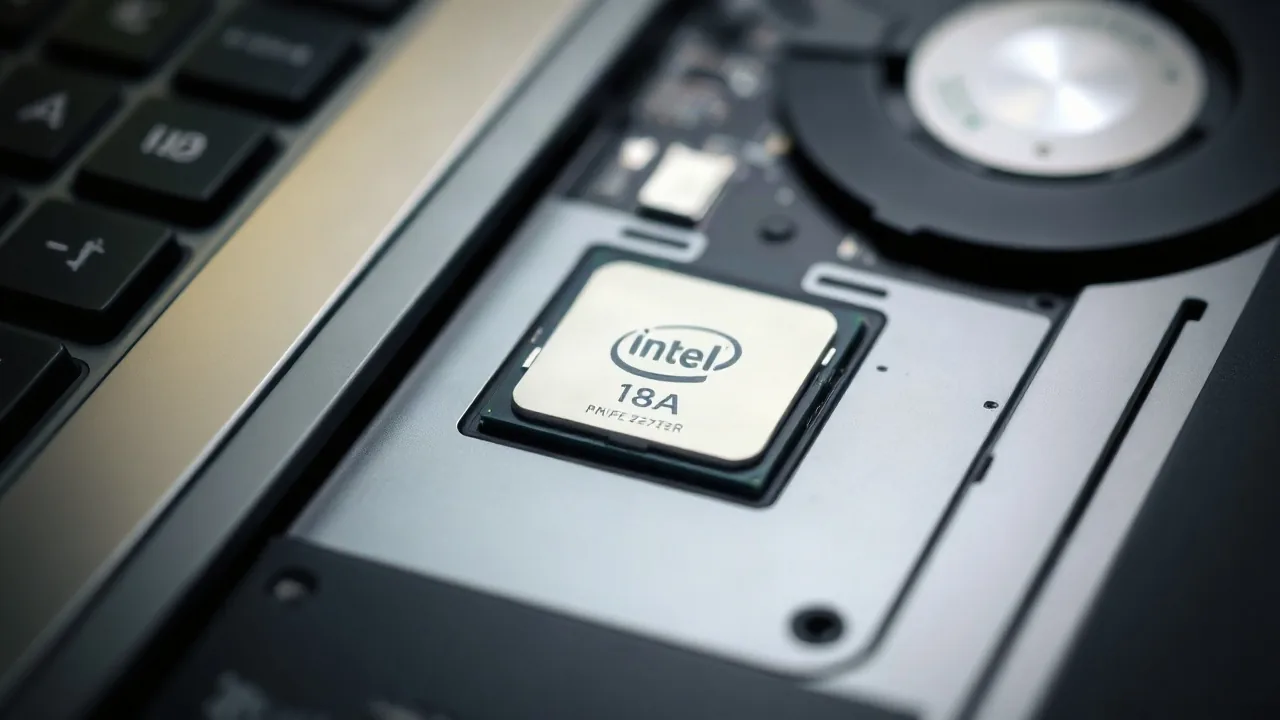
Intel is gearing up to launch its next generation of budget-friendly processors, codenamed "Moon Lake" and "Wildcat Lake Refresh." These new chips are slated to be manufactured using Intel's cutting-edge 18A process technology, promising enhanced efficiency and performance for entry-level laptops and other devices. The "Moon Lake" series is expected to feature low-power designs, with initial information suggesting configurations with just four "Darkmont" cores and a thermal design power (TDP) as low as 6 watts. This focus on low power consumption aims to enable cooler, quieter, and more energy-efficient computing experiences.
The upcoming "Moon Lake" processors are positioned to potentially succeed current popular budget chips like the Intel N100 and N150. By leveraging the advanced Intel 18A node, the company aims to deliver significant improvements in power efficiency without compromising on essential performance for everyday tasks. This could translate to longer battery life and reduced heat output in a wide range of affordable laptops, making them more appealing to consumers seeking value and reliability.
Efficiency and Performance Focus
While specific performance benchmarks are yet to be released, the architectural choices for "Moon Lake" suggest a strong emphasis on power efficiency. The "Darkmont" cores are designed for optimal performance-per-watt, making them ideal for devices where battery life and thermal management are critical. The anticipated 6-watt TDP indicates that these processors will be well-suited for ultra-portable laptops, mini PCs, and potentially even fanless designs. This strategic move by Intel underscores the growing demand for efficient computing solutions in the mobile and edge device markets.
Beyond "Moon Lake," the "Wildcat Lake Refresh" designation hints at an updated version of existing processors, likely incorporating the 18A process for improved efficiency or minor performance tweaks. Further details regarding the specific core counts, clock speeds, and integrated graphics for both "Moon Lake" and "Wildcat Lake Refresh" are expected to emerge closer to their official launch. Industry analysts suggest that these new processor families will play a crucial role in Intel's strategy to compete effectively in the highly competitive entry-level CPU market, particularly against offerings from rivals like AMD and MediaTek.
The adoption of the 18A process by Intel for these consumer-facing chips highlights the maturity and scalability of their manufacturing technology. This node represents a significant advancement in transistor density and power efficiency, and its application in mainstream products signals Intel's commitment to pushing the boundaries of semiconductor manufacturing. The successful implementation of 18A across its product lines is vital for Intel's long-term foundry ambitions and its ability to reclaim leadership in process technology.