
iPhone Duo Real-Life Use Reveals Pros and Cons of Apple Foldable
Early real-world testing of Apple's foldable iPhone Duo highlights immersive inner display benefits alongside compromises in weight, cameras, and biometric unlocking.

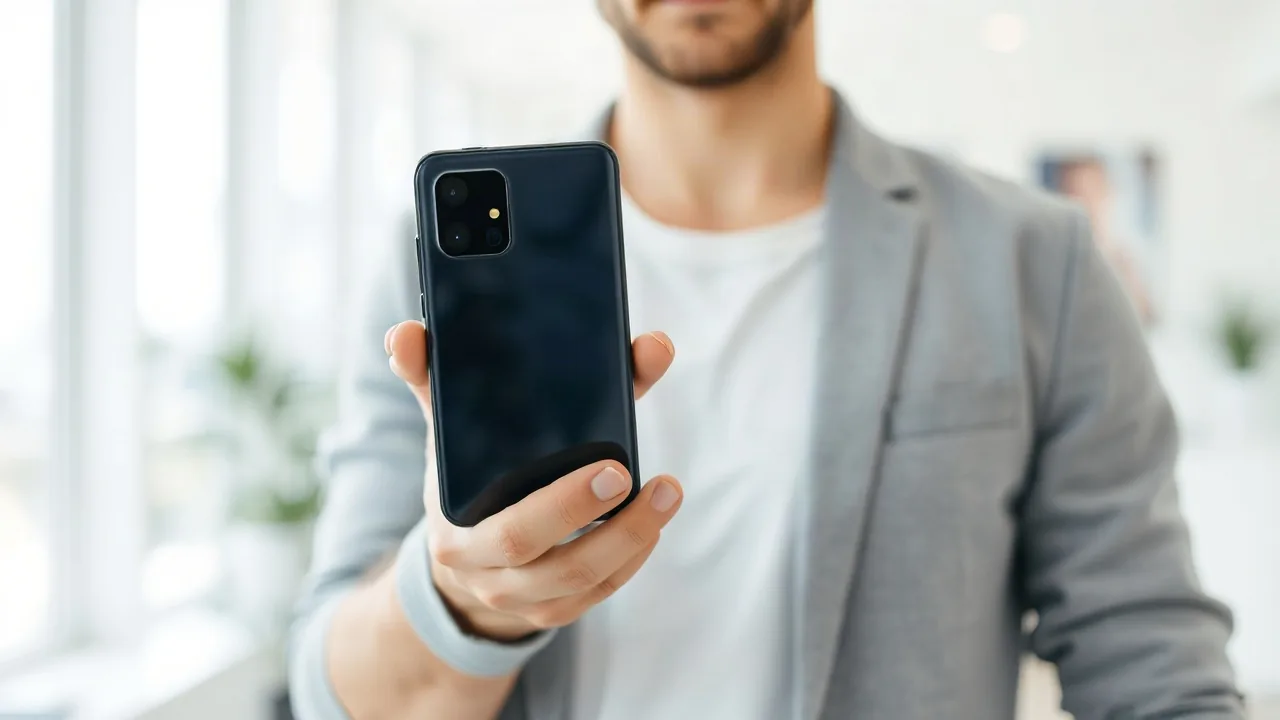
Initial real-world testing of the iPhone Duo reveals a complex mix of standout advantages and noticeable compromises during early daily use. Early reviews and hands-on diaries indicate that while the foldable device delivers an immersive display experience reminiscent of a pocket-sized tablet, users must navigate distinct trade-offs regarding device weight, camera capabilities, and authentication methods.
The core appeal of the foldable hardware centers on its large inner display. When utilizing optimized applications in full screen, users experience a significantly more immersive viewing environment compared to standard smartphones. Reviewers note that casual media consumption, such as watching YouTube videos or sharing photos, benefits greatly from the expanded screen estate, provided the content matches the aspect ratio of the display. Ebook reading also improves notably over traditional slab phones, fitting well within existing digital reading ecosystems.
Display Coating and Multitasking Benefits
Beyond screen size, the inclusion of an anti-reflective coating receives praise for creating a paper-like visual aesthetic that sits between traditional glossy screens and e-ink displays. Multitasking features like split-screen view prove practical for executing short tasks, such as referencing instructions in one application while carrying out actions in another. Furthermore, new gesture controls allow users to seamlessly manage dual-app layouts and handle multitasking scenarios effectively.
However, real-world usage also exposes several drawbacks. The Apple foldable is heavier than standard flagship models like the iPhone 18 Pro Max, a factor that becomes apparent during one-handed operation. Additionally, the device lacks advanced camera features such as a telephoto lens, variable aperture, shutter speed controls, ProRAW photos, and ProRes RAW video. Biometric authentication also shifts reliance toward Touch ID rather than the seamless Face ID experience found on conventional slab iPhones, with unlocking buttons varying depending on device orientation.