
Russian ISS Cargo Launch Met With Unusual Silence From NASA
NASA declined to provide details on an upcoming Russian Progress cargo launch to the International Space Station, pointing reporters to Roscosmos.

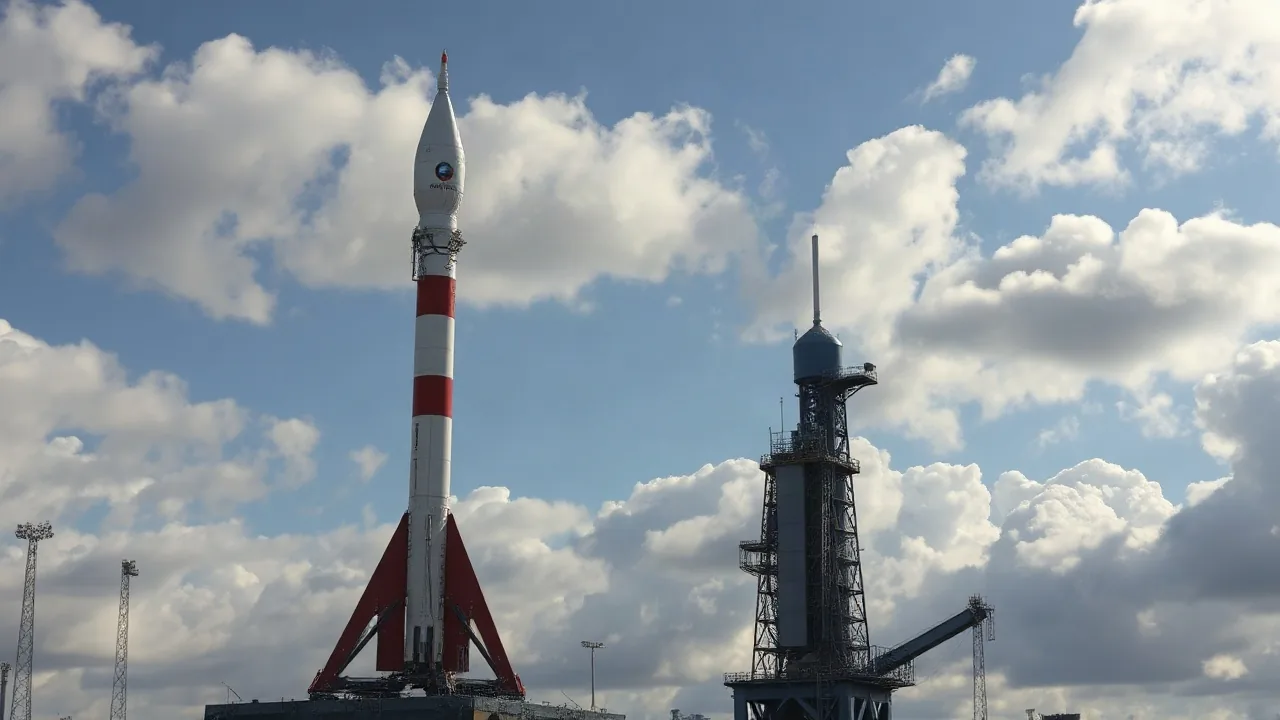
During a NASA news conference concerning operations on the International Space Station, an upcoming Russian cargo mission became the subject of administrative silence. Space News reporter Jeff Foust asked for confirmation and timing regarding the impending flight of a Russian Progress spacecraft during the briefing.
“It’s my understanding there’s another cargo mission going to the ISS this week, a Russian Progress,” Foust stated on the call. “Can you confirm that, and give the date and time that will launch?”
The Progress MS-36 cargo launch was scheduled for fewer than 16 hours after the inquiry, set for 10:13 UTC on Tuesday. Despite the station being co-operated by the US space agency, the senior NASA official on the call, Gaurang Patel, operations integration manager for NASA’s Low Earth Orbit Program, declined to share launch details. “Regarding the Progress launch, I would ask you to please reach out to Roscosmos directly for any questions tied to that vehicle,” Patel said.
Shifting Policies and Mission Cargo
Historically, NASA has routinely televised cargo flights originating from Russia’s main spaceport in Baikonur, Kazakhstan. As recently as September, live television coverage was provided for Progress launches. However, the current flight has been omitted from NASA’s broadcast schedule, reflecting a broader policy change by Roscosmos to curtail public launch information.
Independent observers and space reporters have noted that Roscosmos has dramatically limited coverage of its launch campaigns in recent months. The upcoming mission carries notable cargo, including a human-like “Teledroid” robot designed to assist spacewalkers in a vacuum and under radiation exposure. Additionally, this marks the first Progress flight since an agreement to decommission the leaky PrK module on the orbiting laboratory, requiring the cargo ship to dock initially at the Poisk module before repositioning.
Analysts suggest the heightened secrecy stems from broader geopolitical factors, including information restrictions following earlier drone attacks on Russian spaceport infrastructure. While NASA continues to maintain its working relationship with Roscosmos, future transparency will face another test during the crewed Soyuz MS-30 mission scheduled for March 2027.