
macOS Touch Controls Evolve for New MacBook Pro
Apple's latest MacBook Pro models introduce touch-enabled controls for macOS, adapting the operating system to a more interactive user experience.

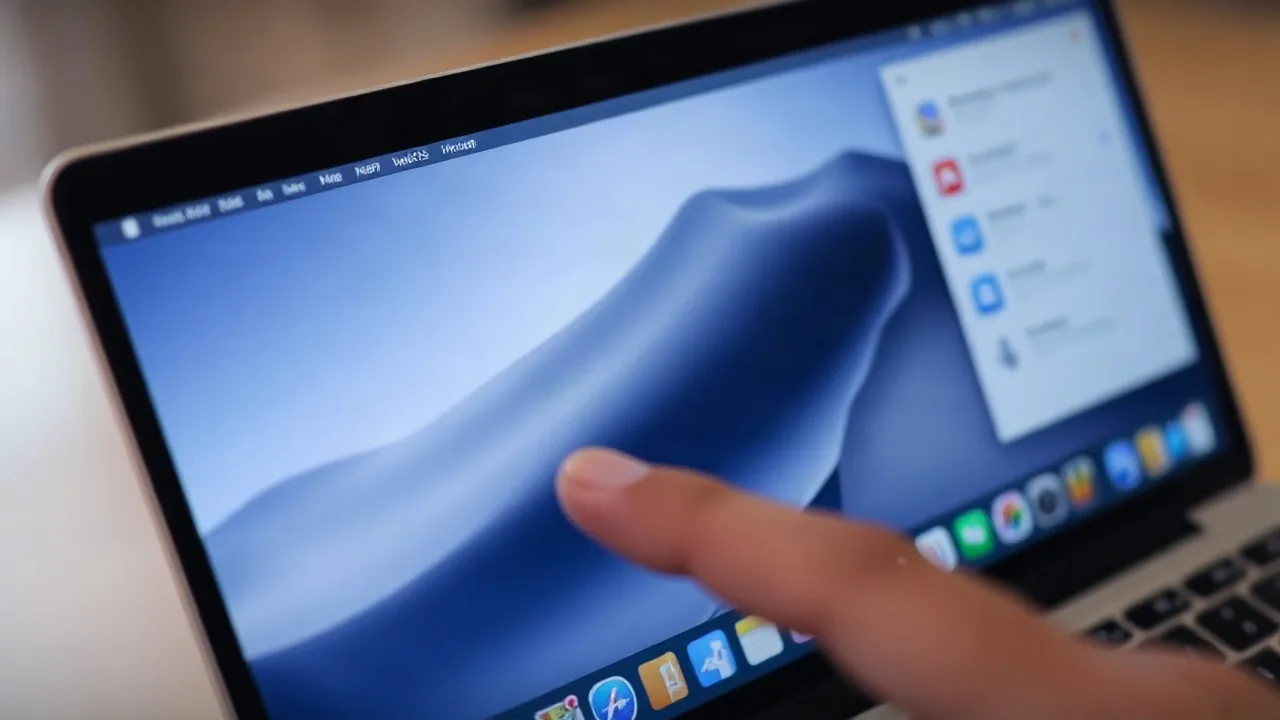
Apple has officially integrated touch-centric controls into macOS for its newest MacBook Pro lineup, marking a significant shift in how users interact with the Mac operating system. The updated macOS software is designed to fluidly adapt its interface elements, such as buttons, sliders, and menus, for direct manipulation on the screen. This move brings a more intuitive and responsive touch experience to the desktop environment, previously confined to the iPad.
The new MacBook Pro models feature vibrant OLED displays that not only enhance visual quality but also serve as the primary interface for these new touch capabilities. While specific hardware configurations were not detailed in the initial announcement, the integration of touch implies a redesigned approach to window management and application interaction. Apple's goal appears to be bridging the gap between the tactile precision of a mouse and keyboard and the immediate responsiveness of a touchscreen.
Adapting a Desktop OS for Touch
Engineers have reportedly spent considerable effort in refining macOS to ensure that touch interactions feel natural and precise. Unlike simply porting iOS elements, the development focused on adapting existing macOS paradigms. This includes adjusting the size and spacing of on-screen targets to prevent accidental taps and ensuring that gestures are both discoverable and easy to perform. For instance, common actions like closing windows or activating controls are now directly accessible via touch, with visual feedback confirming the input. Sources suggest that the system intelligently distinguishes between accidental palm contact and deliberate touch inputs, a common challenge in touch-screen design.
This evolution of macOS is partly a response to market trends and user expectations, driven by the success of touch interfaces on mobile devices and tablets. While Apple has historically maintained a distinction between macOS and iPadOS, this development signals a growing convergence. The company aims to offer the power and flexibility of a Mac with the convenience and immediacy of touch, potentially opening up new use cases for the MacBook Pro, from creative professionals making quick edits to students navigating complex software.
Industry analysts suggest this move could also pressure competitors in the laptop space to further develop their own touch-enabled operating systems and hardware. The emphasis on a seamless experience, rather than a tacked-on feature, is a hallmark of Apple's product strategy. The integration is not just about touching the screen, but how the entire operating system responds and anticipates user needs through touch. This includes subtle animations and haptic feedback, providing a richer sensory experience. The new MacBook Pro models are expected to ship starting in November 2026, with pre-orders opening next week.