
Madden NFL 27 Review: New Features Struggle to Score
Madden NFL 27 introduces new features to Franchise and Ultimate Team modes, but struggles to deliver a cohesive experience, despite strong core gameplay.

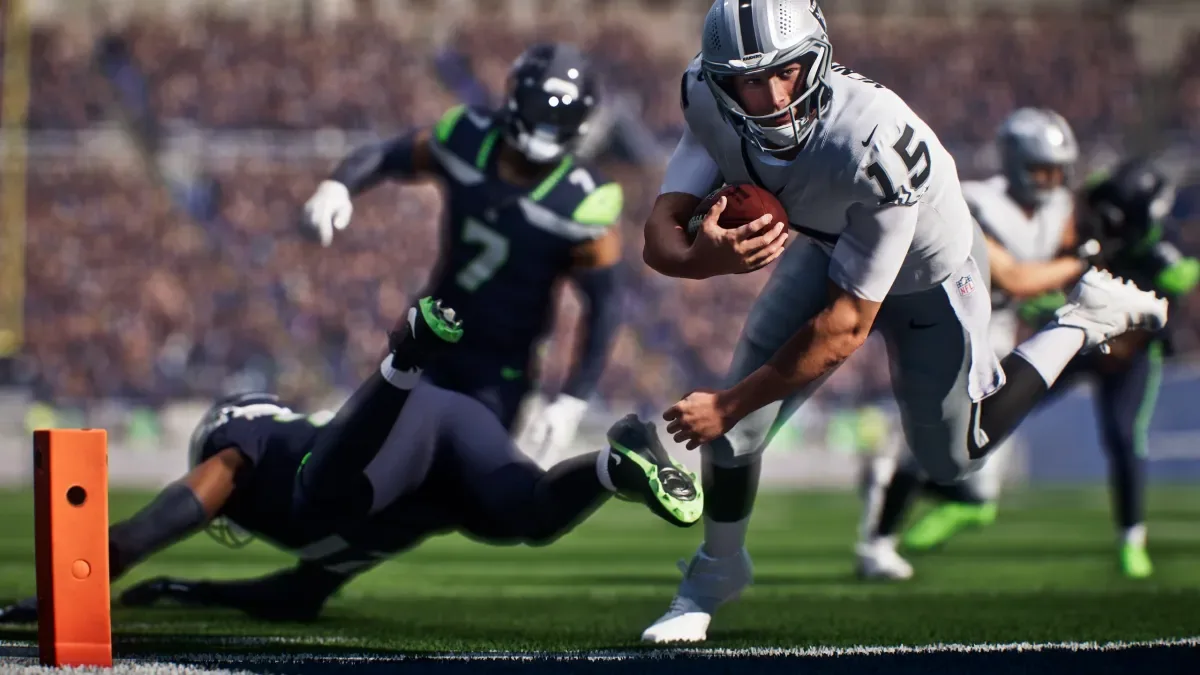
The annual release of Madden NFL 27 arrives with ambitious attempts to revitalize its core modes, Franchise and Ultimate Team. While the on-field gameplay continues to offer a satisfying experience, the new additions, including the Persona Engine for Franchise mode and the Evolution system in Ultimate Team, fall short of their potential, leaving players wanting more depth and less frustration.
Gameplay mechanics remain a high point for Madden NFL 27, providing a visceral and engaging feel, particularly in the running game. The addition of an optional catch meter, borrowed from college football titles, alongside enhanced interactions between receivers and defensive backs, creates moments of genuine excitement when passes are successfully completed or defended. However, the aggressive nature of CPU defenses can sometimes leave quarterbacks vulnerable, with play-action passes in particular leading to frequent sacks. Developers have noted this feedback and are looking into potential adjustments for future updates.
Franchise Mode's Mixed Performance
The most significant overhaul comes to Franchise mode with the introduction of the Persona Engine. This system aims to inject more personality into AI players and, by extension, their teams, with the goal of creating more dynamic negotiations and free agency periods. While there are more options for back-and-forth dialogue during contract talks, the execution is flawed. Player 'DNA' tags can inexplicably shift mid-negotiation, making previously 'critical' salary demands suddenly less important, leading to a feeling of being misled. The limited set of 'pitches' available each round, deployed in a repetitive pattern, further complicates attempts to secure desired players. The underlying logic for AI team management also remains a concern, with CPU teams often struggling with salary cap adherence and draft strategy, resulting in skewed simulation statistics.
The new Free Agent Frenzy feature, intended to add excitement, often devolves into a confusing 'black box' where players sign with unexpected teams regardless of the contract offers presented. Despite efforts to incorporate more player-centric events and league news, the mode struggles to capture the genuine drama of the NFL season. The most memorable moments in extensive playthroughs often involved convincing a player to forgo retirement, highlighting the mode's general lack of compelling narrative progression. While the steps taken are in the right direction, Madden NFL 27's Franchise mode still fails to deliver on its promise of an immersive management experience.
The career-focused Superstar mode offers fewer new features this year. While players can now assume the roles of tight end, safety, or edge rusher, the experience is still most compelling as a quarterback or running back. The inclusion of a battle pass, even as an optional component in a full-priced, offline game, introduces unwelcome monetization and multiple in-game currencies. While increased team influence tied to player standing is a welcome addition, allowing for greater sway in free agency decisions, the core feeling of truly embodying an NFL player remains elusive. The mode needs to better capture the evolving challenges and objectives an athlete faces throughout a career to create a more compelling storyline.
Ultimate Team sees arguably the largest transformation in Madden NFL 27. Mirroring systems in EA FC, the 'Evolutions' feature allows players to improve their roster by completing objectives. Users can select specific captains to upgrade and enhance individual player cards through gameplay. However, the attribute upgrades are randomized within predefined 'buckets,' and re-rolling these upgrades requires spending the in-game 'Coin' currency. This system acts as a significant 'Coin sink,' encouraging players to continuously chase ideal attributes like speed. While these additions offer greater customization and potentially a more rewarding progression curve over a longer period, they also amplify the grind and the constant pursuit of the current meta.
Adding new features to a sports simulation game should aim to refine and enhance the established experience, not merely differentiate it from its predecessor. Madden NFL 27 excels on the field, but its ambitions in management and career modes do not consistently meet the high expectations set by the core gameplay, leaving it a respectable but ultimately incomplete package for coaches, general managers, and aspiring superstars alike.