
Meta Ray-Ban Smart Glasses Open to Third-Party Apps Ahead of Android XR
Meta is enabling developers to build apps for its Ray-Ban Display smart glasses, supporting both mobile and web app integration. This move anticipates the upcoming launch of Android XR glasses.

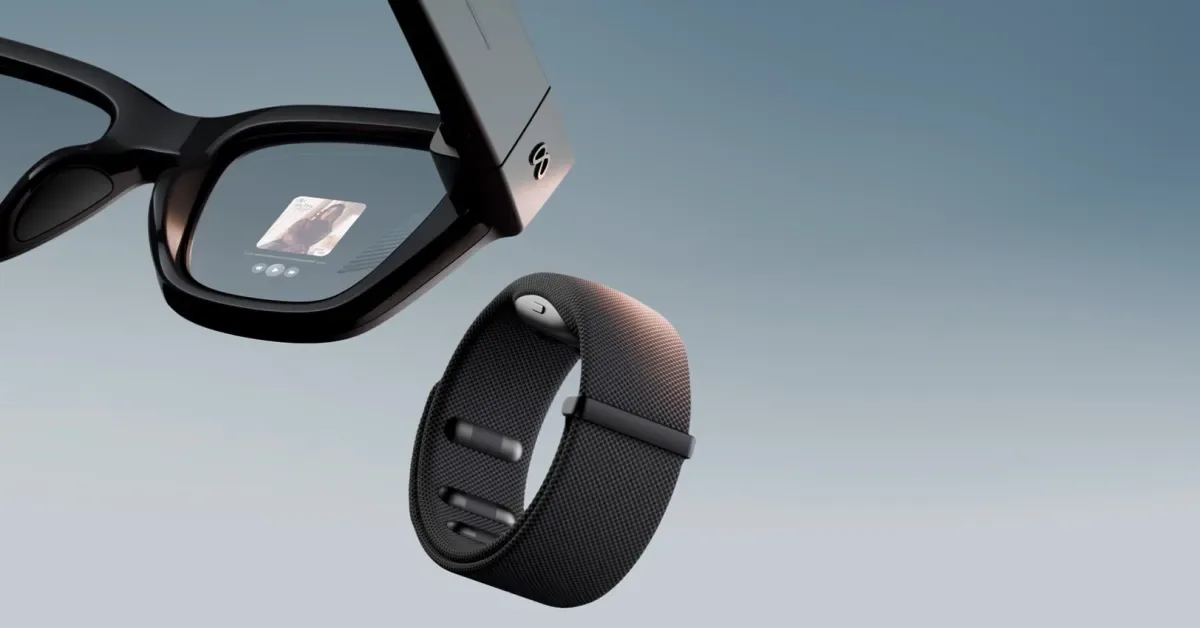
Meta is expanding the capabilities of its Ray-Ban Display smart glasses by opening them up to third-party app development, a strategic move as the landscape for extended reality (XR) devices continues to evolve. In a recent blog post, the company announced that developers can now create applications for the display integrated into the glasses. This functionality will be accessible through both existing mobile applications and new web applications, with the rollout commencing over the coming weeks.
The company detailed two primary development pathways for creators: extending existing iOS or Android mobile applications or building entirely new experiences. Meta emphasized that developers can utilize familiar tools to craft these display experiences, suggesting a low barrier to entry for app creation. As a demonstration of the potential, Meta showcased a video featuring a Ray-Ban Display application capable of identifying flights based on the user's visual input, offering a glimpse into practical, real-world applications.
Expanding Smart Glass Ecosystems
This significant update arrives as the competitive field of smart glasses prepares for the anticipated launch of Android XR devices. Samsung is expected to be among the first to market with its audio-only “Galaxy Glasses,” with display-equipped models anticipated to follow. The underlying strength of the Android XR platform lies in its ability to seamlessly extend existing Android applications to these new form factors, leveraging the same foundational technology that powers smartphones and other Android devices. This cross-platform compatibility aims to foster a robust ecosystem for developers and users alike.
The integration of third-party applications signifies a broader ambition for Meta's smart glasses, moving them beyond simple notification devices towards more interactive and personalized tools. By allowing developers to create bespoke experiences, Meta aims to enhance the utility and appeal of its hardware. This could range from real-time language translation and navigation overlays to fitness tracking and information retrieval, all presented discreetly within the wearer's field of vision. The success of these efforts may hinge on user adoption and the development of compelling use cases that justify the integration of technology into eyewear.
Meta's approach with the Ray-Ban Display glasses represents a cautious but determined step into the burgeoning smart glasses market. Unlike some more intrusive AR headsets, the Ray-Ban design prioritizes a more conventional aesthetic, aiming to blend technology with everyday fashion. The ability to support a variety of applications, from productivity tools to entertainment, could be a key differentiator in a market that is still finding its footing. As Meta continues to refine its hardware and software offerings, the open development platform signals a commitment to fostering innovation and driving the adoption of wearable technology.