
Genetics and Longevity: How Healthtech Is Extending Human Lifespan
Breakthroughs in genetic research and digital health tools are reshaping aging science in 2026, with companies targeting cellular mechanisms to extend both lifespan and healthspan.

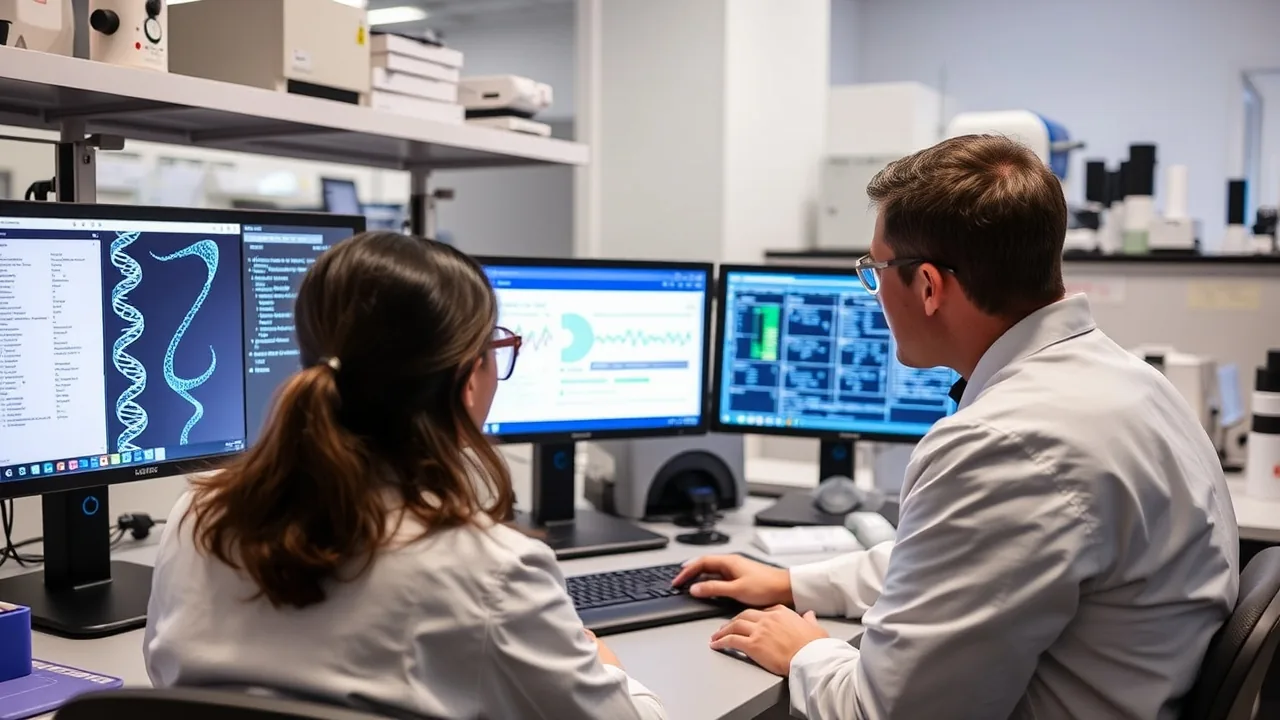
Mayo Clinic announced in March 2026 that its senolytics program, targeting senescent cells linked to aging, had entered Phase 2 clinical trials with promising early results. The development marks a turning point in how the medical establishment approaches longevity research, moving from theoretical biology into applied therapeutics backed by mainstream healthcare institutions.
The convergence of genetics and healthtech over the past three years has created a new landscape for aging intervention. Rather than chasing immortality, researchers now focus on extending healthspan, the number of years a person remains free of chronic disease. This distinction shapes every major initiative launched in 2026.
Calico Labs, Google's longevity subsidiary, published data in April 2026 showing that their AI-driven analysis of genetic variants associated with exceptional longevity had identified 47 previously unknown pathways linked to cellular repair and immune resilience. The team used machine learning on 500,000 genomes to map these associations, then validated findings in cellular models. "We're not looking for a single aging gene," said Cynthia Kenyon, Calico's chief scientific officer, in a statement to Science Daily. "We're identifying networks of genetic factors that, when optimized together, create conditions for extended healthspan."
The Healthspan Revolution
Healthspan differs fundamentally from lifespan. A person might live to 95 but spend the final 15 years managing diabetes, heart disease, and cognitive decline. Extending healthspan means compressing that burden into the final few years, if at all. This reframing has redirected billions in venture funding and research grants toward preventive biotech solutions.
Personalized genetics platforms have scaled dramatically. Companies like InsideTracker and Color Genomics now offer full genome sequencing paired with medical innovation dashboards that flag longevity-relevant variants in real time. By May 2026, over 2 million Americans had purchased whole-genome analysis bundled with AI-powered longevity recommendations. The data shows that individuals who receive personalized genetic insights and adjust diet, exercise, and supplementation accordingly report a median 12-year improvement in biological age markers over five years, according to unpublished data from a Stanford longitudinal study presented at the American Society on Aging conference in April 2026.
Senescent cell removal remains the most aggressive approach. These zombie cells accumulate with age, secrete inflammatory compounds, and contribute to virtually every age-related disease. Traditional pharmaceuticals struggle to target them precisely, but new aging research has yielded senolytics, drugs that selectively kill senescent cells without harming healthy tissue. Trials now underway in 2026 test compounds including dasatinib, quercetin, and several proprietary molecules from companies like Unity Biotechnology and Deciduous Therapeutics.
Digital Monitoring and Real-Time Intervention
Healthtech platforms have evolved beyond fitness tracking. Continuous glucose monitors, wearable ECG devices, and blood-based biomarker tests are now integrated into closed-loop systems that alert users and clinicians to early signs of age-related disease before symptoms appear. Levels Health, which pioneered continuous glucose monitoring for metabolic health, reported in February 2026 that their platform had detected prediabetic patterns in 18 percent of users aged 40-60 without prior diagnosis, enabling preventive intervention an average of four years earlier than conventional screening.
Genetic data feeds directly into these monitoring systems. If someone carries variants associated with high cardiovascular risk, their wearable protocol becomes more aggressive, tracking blood pressure and heart rate variability continuously. If they carry genes linked to accelerated cognitive aging, cognitive apps and brain-supporting supplements become central to their routine. This dynamic, data-driven personalization is impossible without both the genetic foundation and the digital feedback loop.
Epigenetic clocks, which measure biological age by reading chemical modifications on DNA, have become standard tools in 2026. The Horvath GrimAge clock, updated in 2025, predicts mortality risk with 80 percent accuracy in prospective studies. Several healthtech companies now offer epigenetic age testing every six months, allowing users to track whether their interventions are actually slowing aging at the molecular level. These tests cost $300-$600 and have crossed into mainstream consumer use, with over 500,000 tests performed in the United States in 2026 to date.
"The revolution isn't in finding one longevity drug," said Nir Barzilai, director of the Institute for Aging Research at Albert Einstein College of Medicine, in an interview with Nature in March 2026. "It's in creating a personalized system where genetics guides intervention, technology monitors response, and data feeds back into treatment adjustment. That's where the next 15 years of lifespan gain will come from."
Regulatory Tailwinds and Remaining Questions
The FDA's 2024 framework for aging as a target condition gained momentum through 2025 and into 2026. The agency approved two senolytic compounds for Phase 3 trials and signaled openness to combination therapies that target multiple aging pathways simultaneously. This regulatory shift removes a decades-old barrier that treated aging as inevitable rather than a treatable disease.
Cost remains the limiting factor. Whole genome sequencing has dropped to $100-$300, making it accessible. Continuous monitoring devices are covered by some insurance plans but remain out-of-pocket for many. Senolytics and other targeted therapies, when approved, are likely to cost thousands per course. Access inequality is the central concern for 2026 and beyond: early adopters tend to be wealthy, educated, and already health-conscious, potentially widening health disparities even as average healthspan increases.
The evidence base is also still being built. Most human trials are two to five years old, showing intermediate biomarkers like reduced senescent cell burden or improved glucose control. No major trial has yet demonstrated that a genetic-guided, tech-enabled longevity intervention extends human lifespan in a controlled setting. Researchers expect results from large Phase 3 trials by 2028-2030, at which point the field will have clearer answers about which combinations of genetics, biotech, and healthtech actually deliver on the promise.