
Microsoft Unveils Nvidia AI PCs: Power for Pros, Future for All
Microsoft has launched new PCs powered by Nvidia, targeting professional users with enhanced on-device AI capabilities. The move signals a broader push towards AI integration in personal computing.

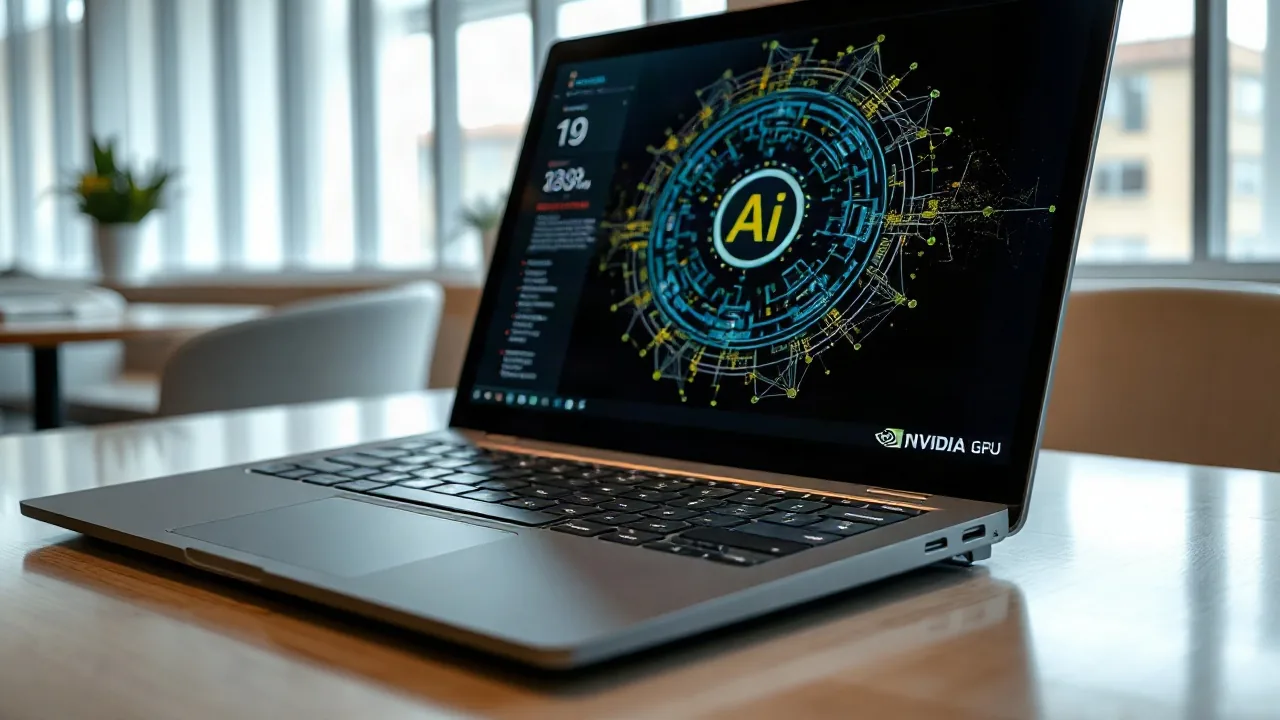
Microsoft has officially launched a new line of personal computers featuring NVIDIA processors, aiming to bring advanced on-device artificial intelligence capabilities to users. The announcement, detailed across several tech publications, highlights these machines' potential for demanding professional tasks and a glimpse into the future of AI-integrated computing.
The new devices are designed to handle complex AI workloads directly on the hardware, reducing reliance on cloud processing and potentially offering faster, more private AI experiences. This strategic move by Microsoft appears to be a direct response to the growing trend of AI integration in consumer electronics, following high-profile launches from competitors in the space.
On-Device AI Capabilities
The core innovation lies in the integration of NVIDIA's powerful graphics processing units (GPUs) and AI accelerators within the PC hardware. This allows for sophisticated AI models to run locally, enhancing applications ranging from content creation and data analysis to real-time communication tools. For instance, creative professionals could see significant speedups in rendering and AI-assisted design tasks, while developers might leverage the enhanced processing power for training smaller AI models.
While these initial offerings are positioned to impress power users and professionals who require substantial computational resources, Microsoft and its partners are clearly building towards a more widespread adoption of what is being termed the "AI PC." The focus on on-device processing means that AI features can become more responsive and secure, as sensitive data may not need to leave the user's machine.
This development comes at a time when the entire tech industry is exploring the potential of generative AI and its practical applications beyond the cloud. Companies like Apple have also made significant strides in integrating AI directly into their hardware, setting a high bar for performance and user experience. Microsoft's partnership with NVIDIA, a leader in AI chip technology, positions them to compete effectively in this rapidly evolving market.
The implications for the future of personal computing are substantial. As on-device AI becomes more capable, we can expect operating systems and applications to be fundamentally redesigned around these capabilities. Features that are currently cumbersome or require cloud access may soon become seamless and instantaneous. This could lead to a new generation of software and hardware, ushering in what some are calling "AI PC 3.0" – a significant leap from current iterations.
While specific model names and configurations vary, the common thread is the powerful synergy between Microsoft's Windows ecosystem and NVIDIA's cutting-edge silicon. The ZDNET report indicated that these machines are "cool for extreme power users," suggesting that the initial market focus is on those who can immediately benefit from the raw performance and specialized AI features. However, the underlying technology is paving the way for more accessible AI integration in future consumer-grade devices.
The industry is watching closely to see how quickly this technology matures and becomes accessible to a broader audience. The success of these new Nvidia AI PCs will likely depend on a combination of hardware performance, software optimization, and the development of compelling AI-driven applications that truly leverage their unique capabilities. Microsoft's sustained investment in this area signals a long-term commitment to redefining the personal computer for the age of artificial intelligence.