
NBA 2K27 Sims: Spurs and Magic Dominate 100-Season Forecast
Simulating the 2026-27 NBA season 100 times in NBA 2K27 revealed surprising champions and MVP predictions. The Spurs and Magic led the pack, while Victor Wembanyama secured most MVP awards.

In a comprehensive simulation of the upcoming 2026-27 NBA season using the latest installment of the popular video game franchise, NBA 2K27, the developers at Sports Illustrated posed a unique question: what would the digital hardwood predict for the league's unpredictable landscape? By running the game's franchise mode 100 times, the digital simulation aimed to provide answers to burning questions about team performance, individual awards, and ultimately, which franchise would emerge victorious in the 2027 NBA Finals.
The results revealed a startling trend: the San Antonio Spurs and the Orlando Magic were the most dominant teams in the simulated seasons, each clinching 19 championships. The Spurs' success was largely attributed to the ascendant talent of cover athlete Victor Wembanyama, who consistently led his young squad to top seeds and deep playoff runs. The Magic's unexpected resurgence, securing 19 titles, was fueled by the projected growth of Paolo Banchero and Franz Wagner under new coach Sean Sweeney, with the team regularly earning top-three seeds in the Eastern Conference.
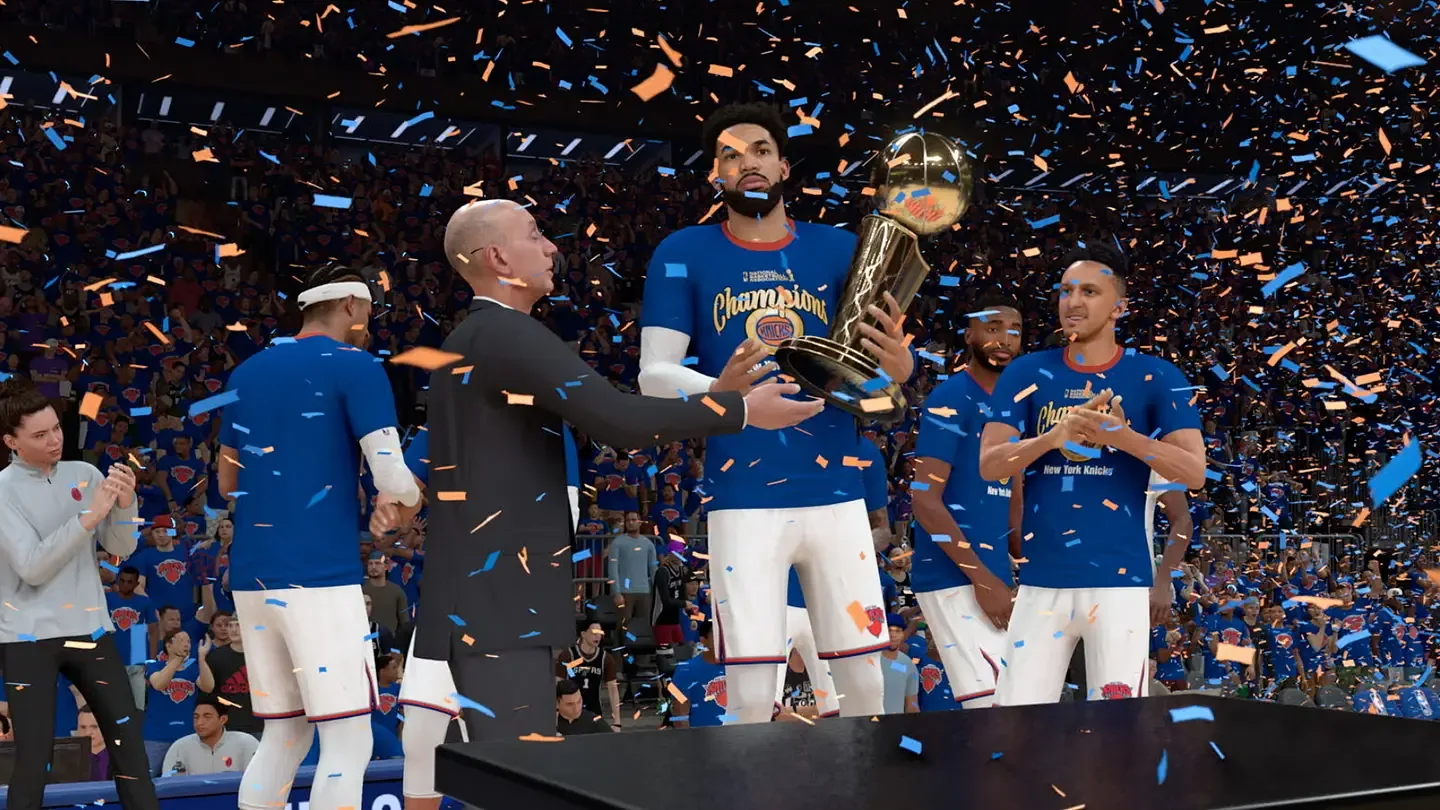
Close behind the leading duo, the New York Knicks and the Minnesota Timberwolves each secured 18 championship victories. The Knicks' repeat success highlights the game's simulation favoring their roster, while the Timberwolves' strong showing was attributed to a potent pairing of Anthony Edwards and LaMelo Ball, which the game's algorithms projected to produce exceptional results. The Cleveland Cavaliers and the Dallas Mavericks managed to capture one title each in the 100 simulations.
Individual Accolades and Surprising Trends
Beyond team championships, the simulations also provided insights into individual player performance and awards. Victor Wembanyama was the overwhelming favorite for the MVP award, claiming 66% of the honors. Nikola Jokic was the primary recipient when Wembanyama didn't win, while Cade Cunningham also secured a significant number of MVP awards. A peculiar standout was Karl-Anthony Towns, who surprisingly won two MVPs for the Knicks in seasons where Wembanyama missed minimum games.
The Sixth Man of the Year award offered some of the most intriguing data. Due to the game's roster cutoff date in mid-July, Russell Westbrook, who retired in August, remained an active player in the simulation. This led to Westbrook winning 25 Sixth Man awards across various teams, showcasing his simulated impact off the bench. Scoot Henderson led the pack with 28 Sixth Man awards, further underscoring the simulation's confidence in the Portland Trail Blazers' young talent. Ajay Mitchell and Jeremiah Fears also took home 15 awards each.
The simulations also highlighted significant runner-up performances. The Detroit Pistons, despite winning 14 titles, suffered the most Finals losses with 16, indicating a tendency to fall just short of championship glory. The Knicks and Timberwolves also experienced a high number of championship defeats, consistent with their numerous victories. The Portland Trail Blazers, surprisingly, made 11 Finals appearances, accumulating eight losses, suggesting a talented roster capable of deep playoff runs despite perceived roster fit issues.
Perhaps the most striking revelation was the consistent underperformance of the Philadelphia 76ers. Across all 100 simulations, the 76ers failed to reach a single NBA Finals, indicating a significant digital disconnect with their projected real-world performance given their roster. This lack of success for a team often touted for its potential raises questions about the simulation's algorithms and how they interpret team dynamics and player matchups in the context of the 2026-27 season.
The simulation settings utilized franchise mode with default 'standard' presets, allowing all 30 teams to operate autonomously, making trades and adjustments. Rosters were locked as of mid-July, meaning players like Kawhi Leonard remained with the Los Angeles Clippers and players who retired after that date were still included in the game. These parameters set the stage for a unique digital season, offering a glimpse into potential NBA futures driven by code and player ratings.