
New Gadgets and Tech Gear Dominating Fall 2026
The fall 2026 gadget season brings foldable phones, AI-powered wearables, and smart home devices that redefine everyday tech. Here are the standout releases reshaping consumer electronics.

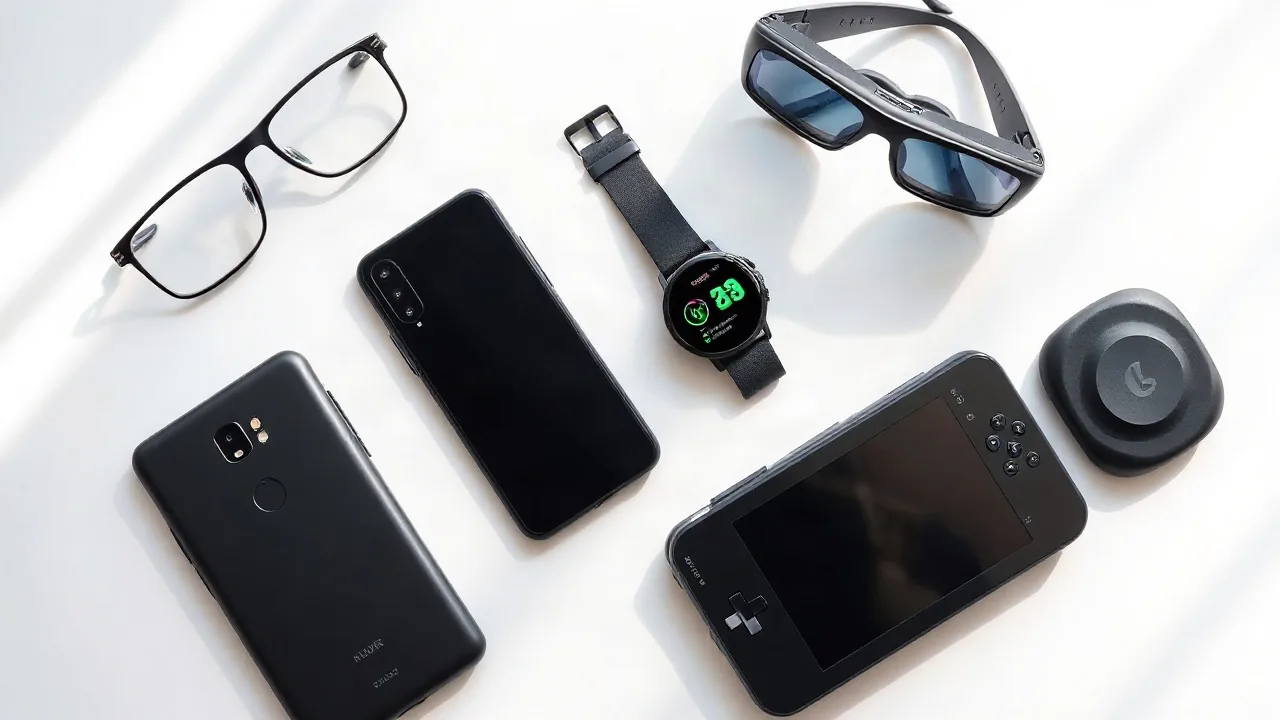
Three major smartphone makers unveiled foldable displays with under-2-millimeter creases this August, marking the most significant hardware refresh cycle in five years. Samsung, Google, and Motorola each launched devices that fold flat without visible gaps, signaling the end of the first-generation foldable era that began in 2019.
The shift reflects both engineering maturity and market demand. Consumers buying new electronics this fall are no longer novelty-seekers; they're comparing fold durability, app optimization, and battery performance against traditional flagships that cost $400 less.
Wearables and AI Integration Lead the Wave
Smartwatch makers have pivoted hard toward on-device artificial intelligence. Apple's Watch Series 12, released August 15, runs local language models that process voice commands and health data without uploading to cloud servers. Garmin and Oura followed with competing health-focused models.
"We're seeing wearable manufacturers compete on processing power now, not just battery life," said Marcus Chen, senior analyst at TechInsight Research, in a statement released August 22. "Fall 2026 is when AI moved from cloud-dependent gimmick to integrated feature."
Tech gear in this category includes:
- Smartwatches with local language models and gesture recognition
- Fitness rings that predict injury risk 48 hours in advance
- Augmented reality glasses with prescription lens support
- Earbuds with real-time translation for 35 languages
The prescription lens AR glasses from EssilorLuxottica, unveiled at a trade event in Las Vegas on August 19, address a long-standing barrier: existing AR headsets required users to wear them over regular glasses, creating a bulky double-lens setup.
Smart Home Devices Embracing Matter Protocol
After two years of fragmented standards, hardware manufacturers have largely standardized on the Matter protocol for smart home interoperability. This fall, nearly 200 new home devices launched with Matter support, up from 40 in 2025.
Devices that previously required separate apps now work seamlessly through Apple Home, Google Home, and Amazon Alexa simultaneously. Door locks, thermostats, lights, and security cameras from different brands no longer require hub workarounds.
Cost barriers also dropped. A quality smart door lock now starts at $129, down from $249 in early 2025. Smart thermostat bundles with professional installation fell to $399 from $699.
The consumer tech reality check: installation complexity hasn't decreased. Homeowners still need either a technician or an afternoon to configure networks and permissions, despite the protocol improvement.
Major smart home device releases include:
- Nest Hub Max 2 with embedded thermal imaging for elderly fall detection
- Eve Locksmart Pro with biometric backup in addition to keypad entry
- Philips Hue's first solar-powered outdoor lighting fixtures with 48-hour battery autonomy
- Enbrighten's door and window sensors that integrate water leak alerts
Gaming and Portable Computing Refresh
Handheld gaming devices saw unexpected momentum in August 2026. Steam Deck 2 launched July 30 with processing power exceeding the original PlayStation 5, shipping with 1 terabyte of storage and a 10-inch display.
Nintendo's next-generation console, announced August 10, targets a March 2027 release but already generated preorder waitlists exceeding 2 million units within 72 hours.
Laptop makers doubled down on innovation in thermal efficiency. ASUS, Lenovo, and Dell each released models running new-generation processors from Intel and AMD that consume 15% less power than their predecessors while maintaining performance gains.
Battery life improvements averaged 18-22% for real-world workloads. A 13-inch ultrabook now routinely achieves 14 hours of mixed use without charging, compared to 10-11 hours two years ago.
Enthusiasts should note one caveat: most 2026 models still use proprietary charging connectors for charging accessories like docking stations, despite the move toward USB-C for main power delivery. This fragmentation persists in gaming peripherals especially.
Sustainability Becomes Competitive Advantage
Several major manufacturers announced modular repair programs this month. Framework Computer extended its program to include screen and trackpad modules. Fairphone launched in the United States market for the first time, emphasizing user-replaceable components and supply-chain transparency.
Apple's new iPhone 16 lineup uses recycled aluminum for the frame and glass rear panel, reducing carbon footprint 12% versus the previous generation. Samsung published detailed supply audits for cobalt mining in the Democratic Republic of Congo.
Consumer demand for repairability data influenced purchasing decisions for 26% of tech buyers surveyed in July 2026, up from 11% in 2024. This shift prompted manufacturers to highlight repair timelines, spare-part availability, and cost in marketing materials.
The fall 2026 gadget season reflects maturity across the industry. Rather than chasing raw specification increases, manufacturers are solving practical problems: folds that don't crease, AI that respects privacy, smart homes that actually interoperate, and devices designed for repair. For consumers evaluating what to buy, the competition has shifted from "what's fastest" to "what actually works together."