
Nikon Contest Winner Under Fire for Alleged AI Image Use
A photographer's win in Nikon's Small World in Motion competition is being re-evaluated following accusations that the winning entry utilized artificial intelligence. The controversy has raised questions about AI's role in scientific imaging.

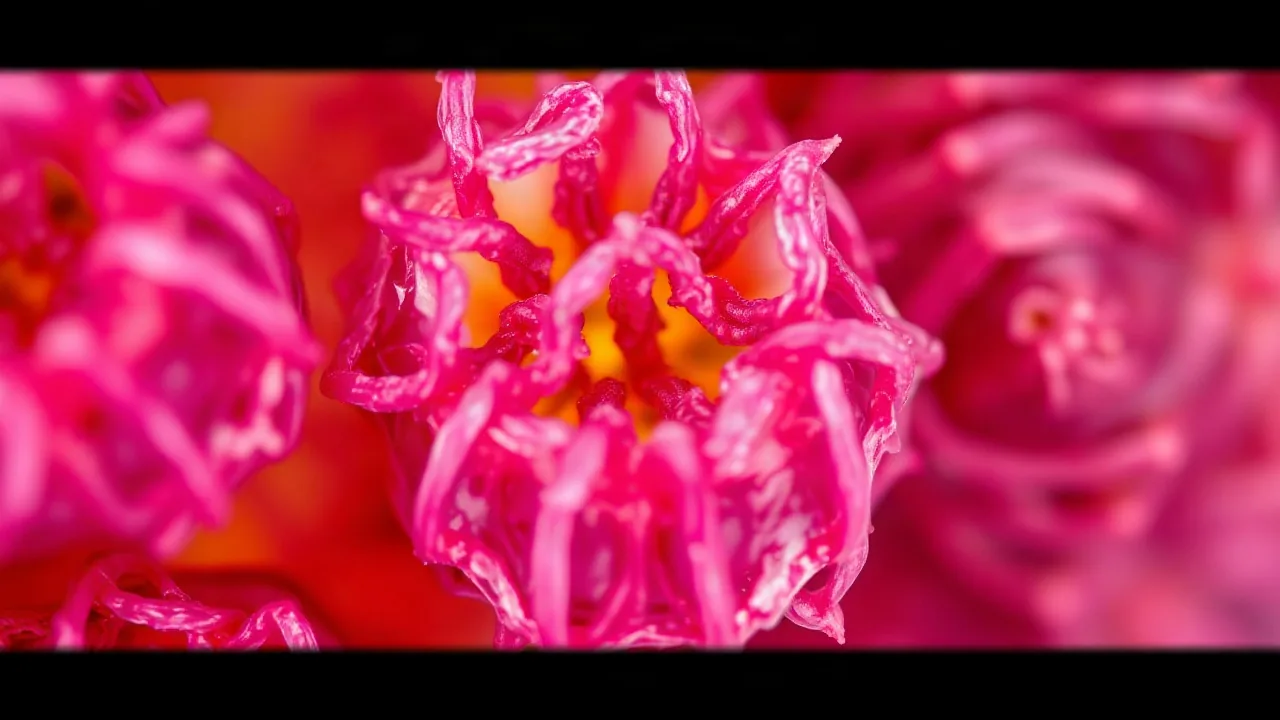
Nikon is reportedly re-examining the winning submission for its annual Small World in Motion photography contest after allegations surfaced that the image was generated or significantly altered using artificial intelligence. The controversy centers on a microscopic video submitted by scientist and photographer Dr. Anika Sharma, which depicted the intricate movement of neurons. The image, lauded for its stunning detail and dynamic quality, was awarded first place but has since faced intense scrutiny from the scientific and photography communities.
The initial allegations emerged on social media platforms and photography forums, where users pointed to anomalies in the video and compared its visual style to AI-generated imagery. Critics argue that the purported use of AI in a contest focused on capturing real-world biological processes fundamentally undermines the competition's integrity and the scientific principles it aims to celebrate. Nikon, a company renowned for its optical and imaging technology, has not yet made a definitive statement but has confirmed an internal review of the submission is underway.
Concerns Over Authenticity in Scientific Imaging
This incident highlights a growing debate within scientific and artistic fields regarding the ethical boundaries of image manipulation, particularly with the rapid advancement of AI tools. The Nikon Small World competition has a long-standing reputation for showcasing the beauty and complexity of the microscopic world as observed through scientific research. Past winners have included intricate images of cell structures, insect anatomy, and plant life, all captured through powerful microscopes.
Dr. Sharma, whose work has previously been recognized for its scientific accuracy and aesthetic appeal, has not publicly responded to the allegations. However, the scrutiny has prompted discussions about the potential for AI to create photorealistic yet scientifically inaccurate representations of biological phenomena. This raises concerns about how such images might be perceived or utilized in scientific publications or educational materials if their AI origins are not disclosed.
The potential for AI in scientific photography is multifaceted. While some argue that AI can enhance the visualization of complex data or help in processing noisy images, others fear it could be misused to fabricate evidence or present misleading visuals. The core of the current debate is whether the winning entry represents a genuine capture of natural phenomena or a sophisticated AI fabrication that mimics reality. Nikon's decision to re-evaluate the submission is seen by many as a crucial step in upholding the credibility of their contest and the broader field of scientific imaging.
The outcome of Nikon's review is anticipated with keen interest. A thorough investigation could lead to disqualification and the awarding of the prize to a different entry, or it could result in a clarification from the company on its policies regarding AI-assisted imagery in future competitions. Regardless of the final decision, the controversy surrounding Dr. Sharma's award has already served as a significant wake-up call for the scientific and imaging communities, emphasizing the urgent need for clear guidelines and robust verification methods in the age of advanced AI.